Bones on Flores Reveal a Tiny Human Species
Researchers named Homo floresiensis, a metre-tall human relative nicknamed the Hobbit.
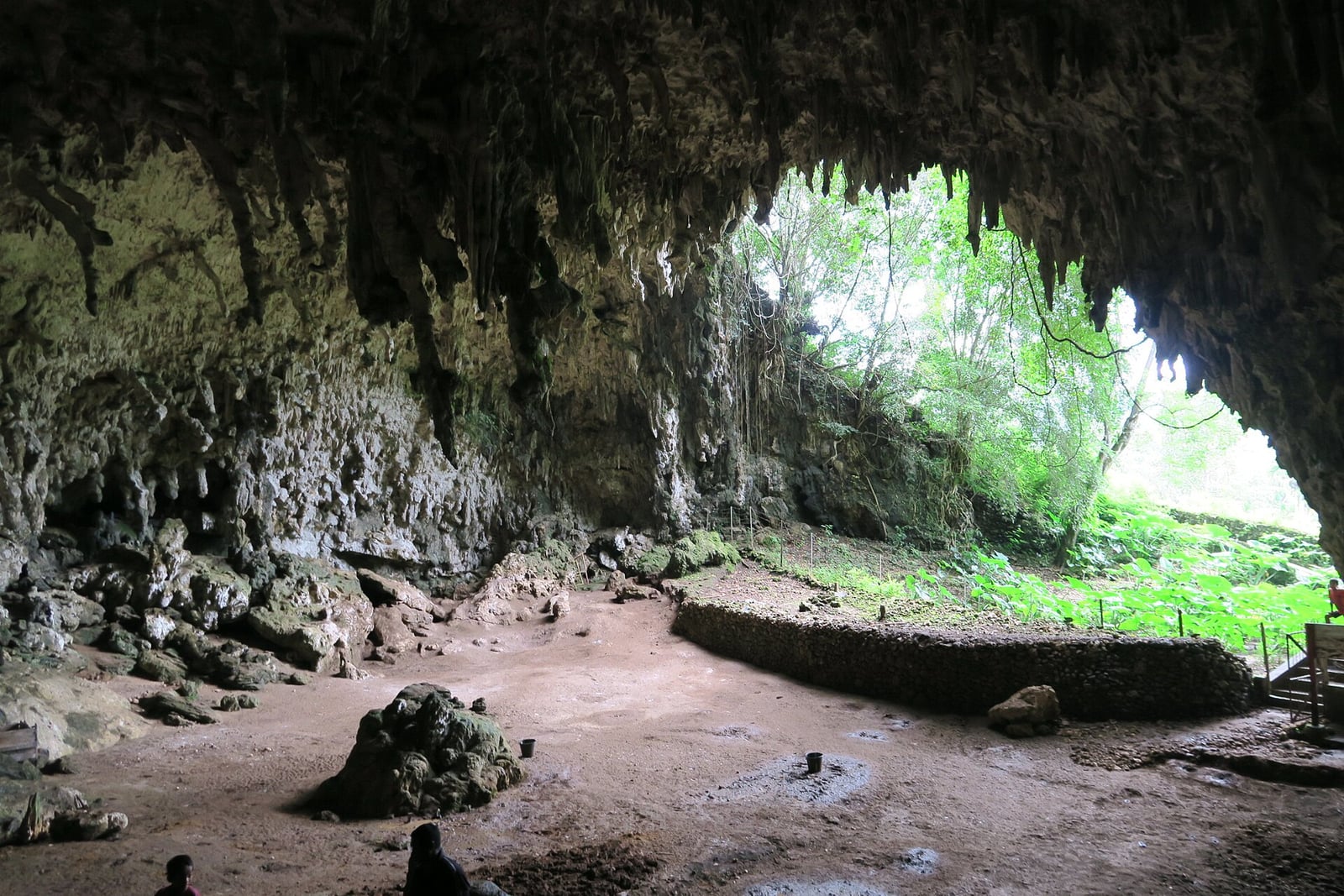
In September 2003, a joint Australian and Indonesian archaeological team led by Thomas Sutikna and Mike Morwood conducted excavations inside Liang Bua cave on the Indonesian island of Flores. Searching for evidence of early modern human migration between Asia and Australia, the researchers instead unearthed the partial skeleton of an exceptionally small adult hominin, designated LB1. The remains were unfossilized, soft, and fragile upon discovery, requiring careful drying before extraction. The following year, Peter Brown and his colleagues formally described the find as the holotype of a distinct species named Homo floresiensis.
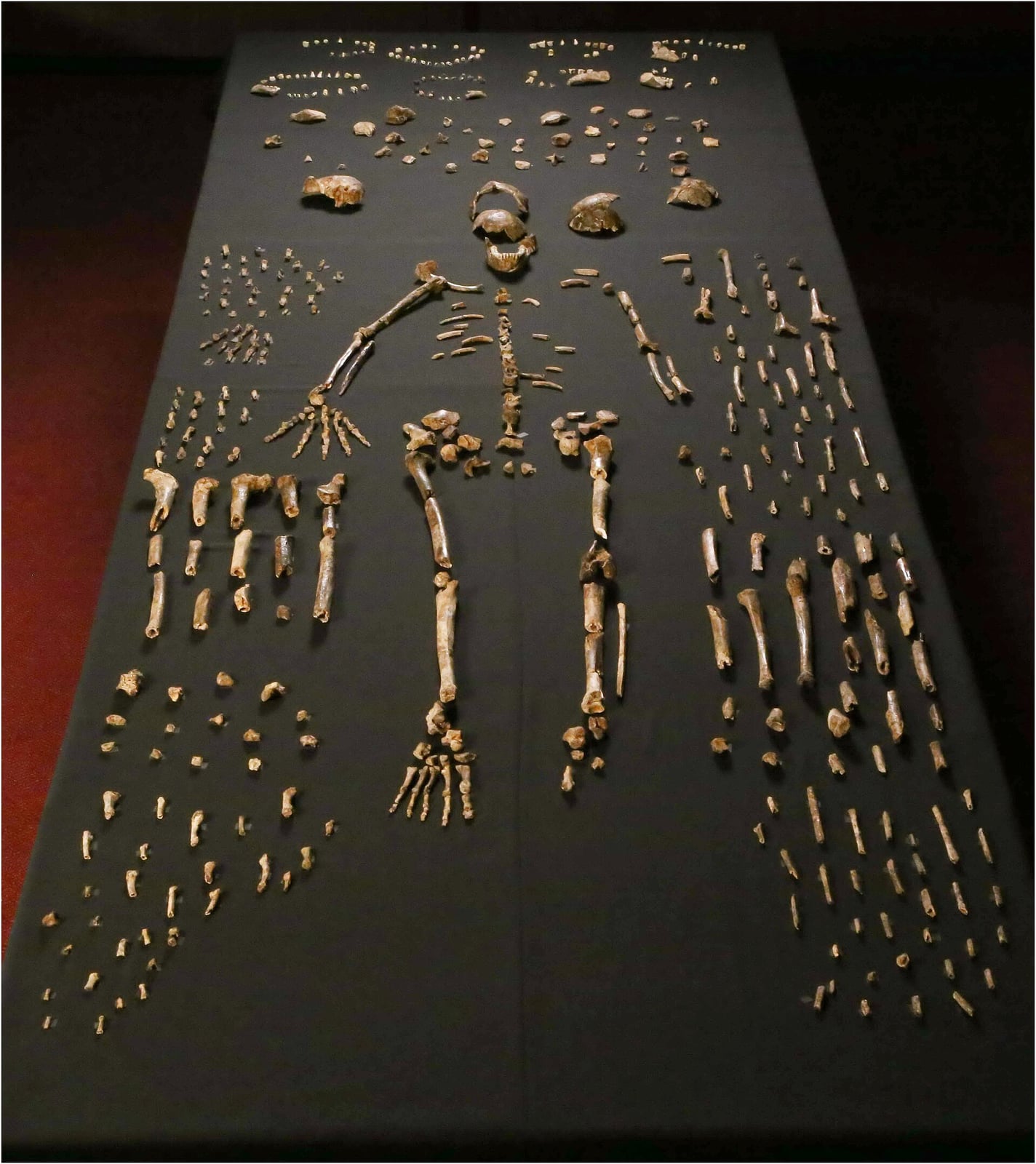
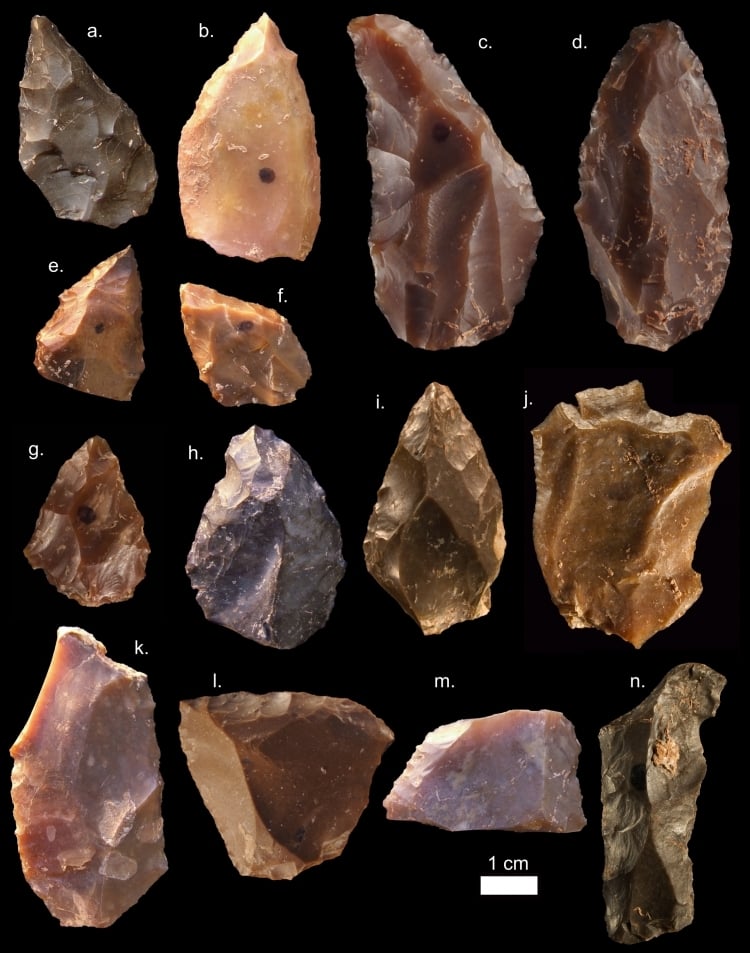
Popularly nicknamed the Hobbit, LB1 belonged to a female approximately thirty years of age, standing roughly 1.06 metres tall with an estimated weight of 25 kilograms. Her cranial capacity measured just 380 cubic centimetres, less than half the brain volume of typical Homo erectus. Later excavations uncovered partial remains of at least eleven additional individuals, as well as thousands of stone tools including flakes, points, and blades. Alongside the hominin bones, excavators discovered the remains of an insular fauna, including Komodo dragons, giant storks, large endemic rats, and an extinct dwarf proboscidean known as Stegodon florensis.

Keep reading in Yester
Coming soon to the App Store
Keep following the story

Sources
- Homo floresiensis (Smithsonian Institution Human Origins Program)
- Homo floresiensis (Australian Museum)
- Revised stratigraphy and chronology for Homo floresiensis at Liang Bua in Indonesia (Nature, 2016)
- Homo floresiensis-like fossils from the early Middle Pleistocene of Flores (Nature, 2016)
- Homo floresiensis
Image: Felix Dance