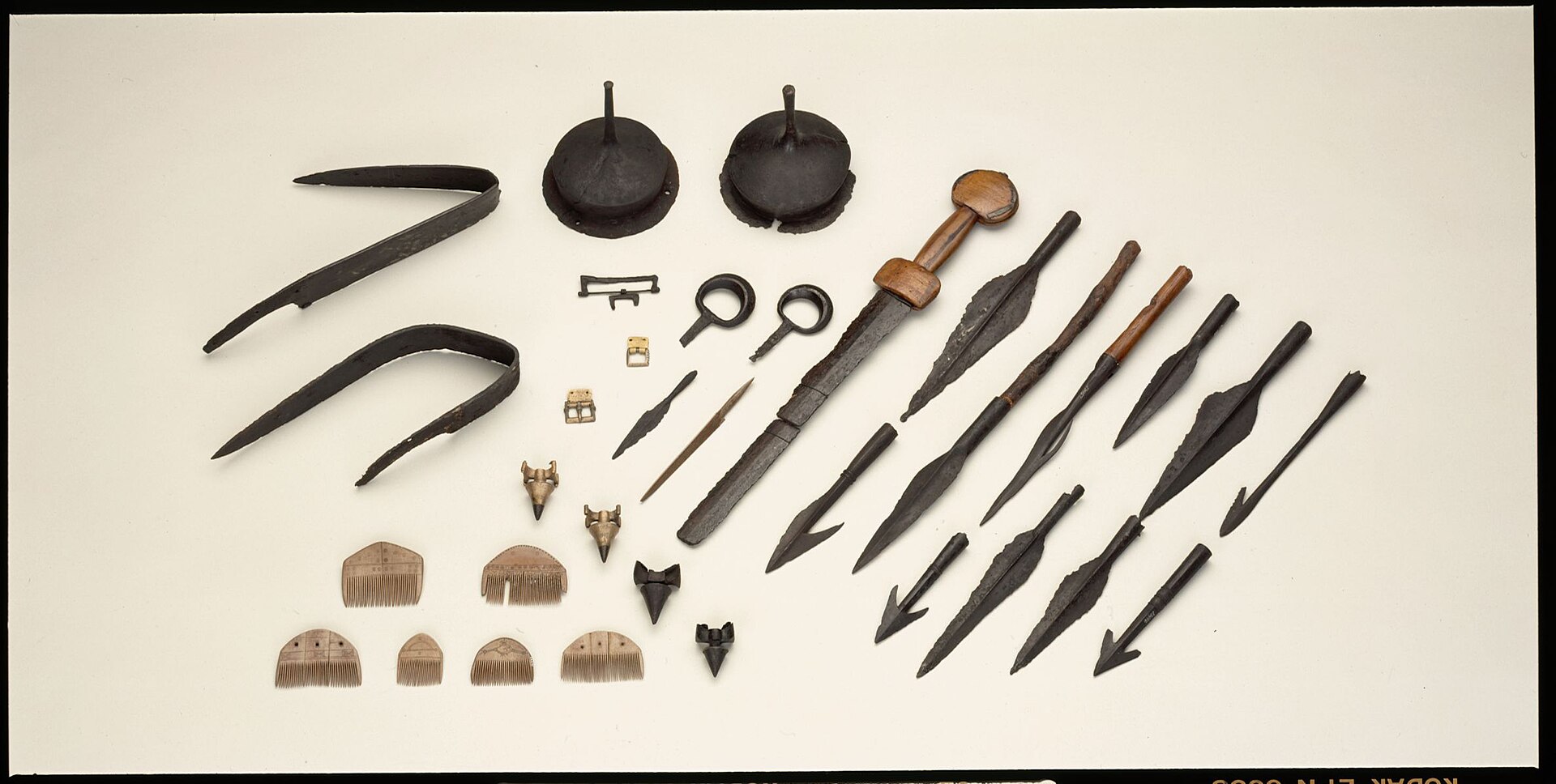
Early Runes Are Scratched on a Comb at Vimose
A bone comb carrying the word harja is among the oldest runic inscriptions known.
A small bone comb retrieved from a peat bog at Vimose, on the Danish island of Funen, preserves one of the earliest securely dated runic texts. Carved around 160 CE, the object bears five letters spelling the word harja. Scholars interpret the text either as a personal masculine name, a martial epithet connected to a Proto-Germanic word for warrior, or simply as a label meaning comb. The carving represents an early stage of the Elder Futhark, the oldest known runic script, which was employed across northern and central Europe during the Migration Period.
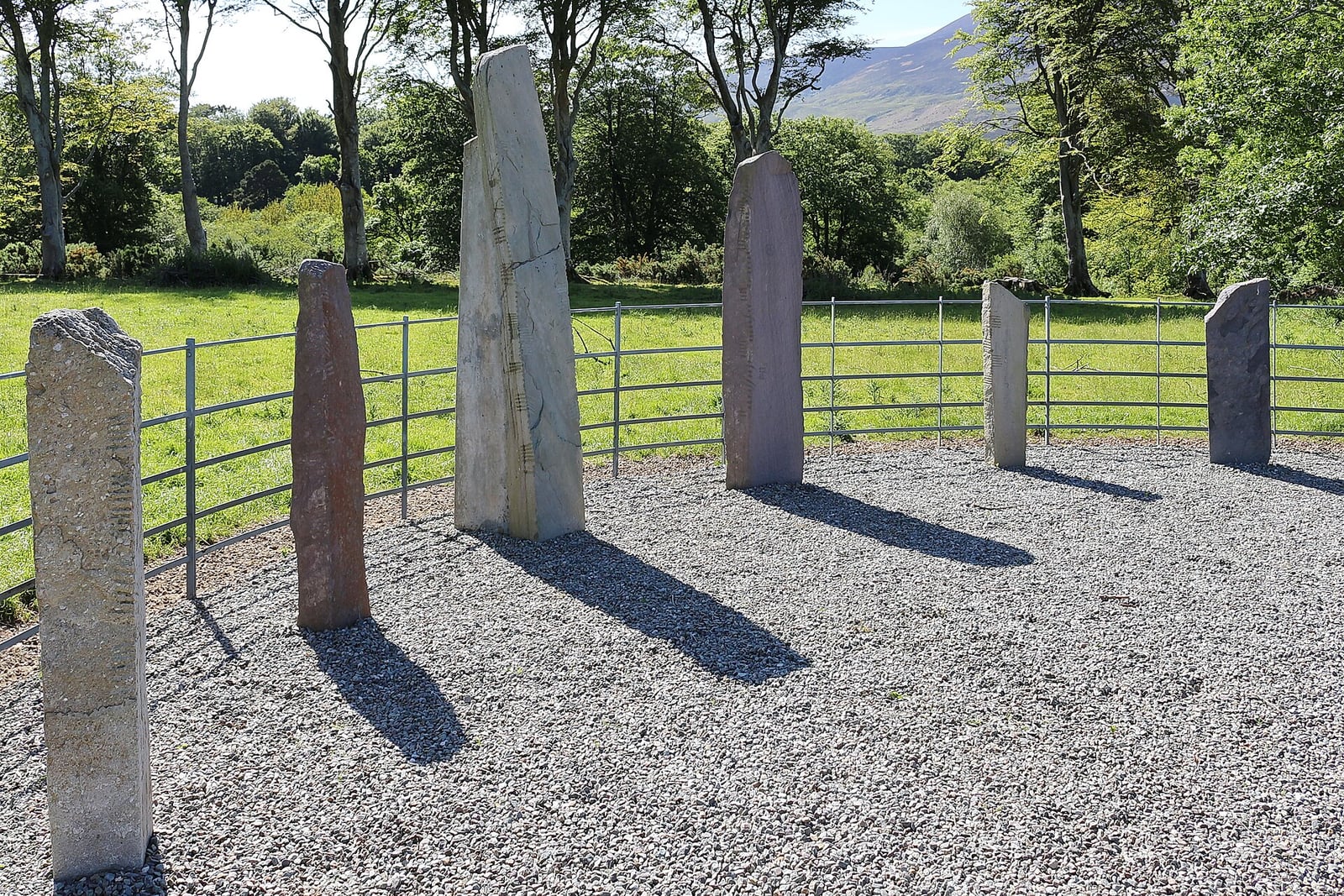
The Elder Futhark comprised twenty-four distinct characters, named from the phonetic sounds of its first six runes: f, u, th, a, r, and k. Runologists commonly organize the alphabet into three groups of eight characters. In modern studies these divisions are often designated as an aett, drawing on a medieval Old Norse term that was applied to the later Younger Futhark. A comparable division of script into groupings is also found in Irish Ogham, although the original Germanic terminology for these clusters remains entirely unknown.

Keep reading in Yester
Coming soon to the App Store
Keep following the story
Sources
Image: John Lee