Behind Tutankhamun’s Sealed Door
The entrance to Tutankhamun’s tomb was found in 1922. What followed was a much longer task: recording and preserving a burial whose contents were still in place.
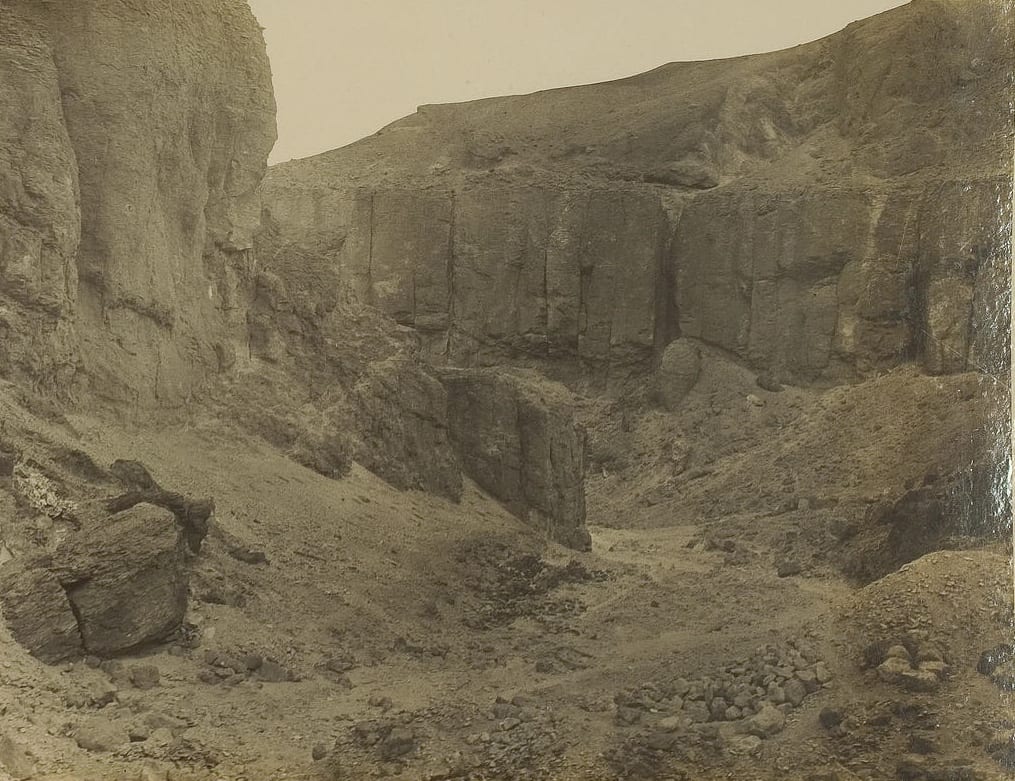
On November 4, 1922, an excavation in Egypt’s Valley of the Kings located the entrance to Tutankhamun’s tomb. Howard Carter’s team had spent years searching the area. The discovery depended on sustained work, including that of Egyptian workers whose contribution is often overshadowed by the name of the expedition’s leader.
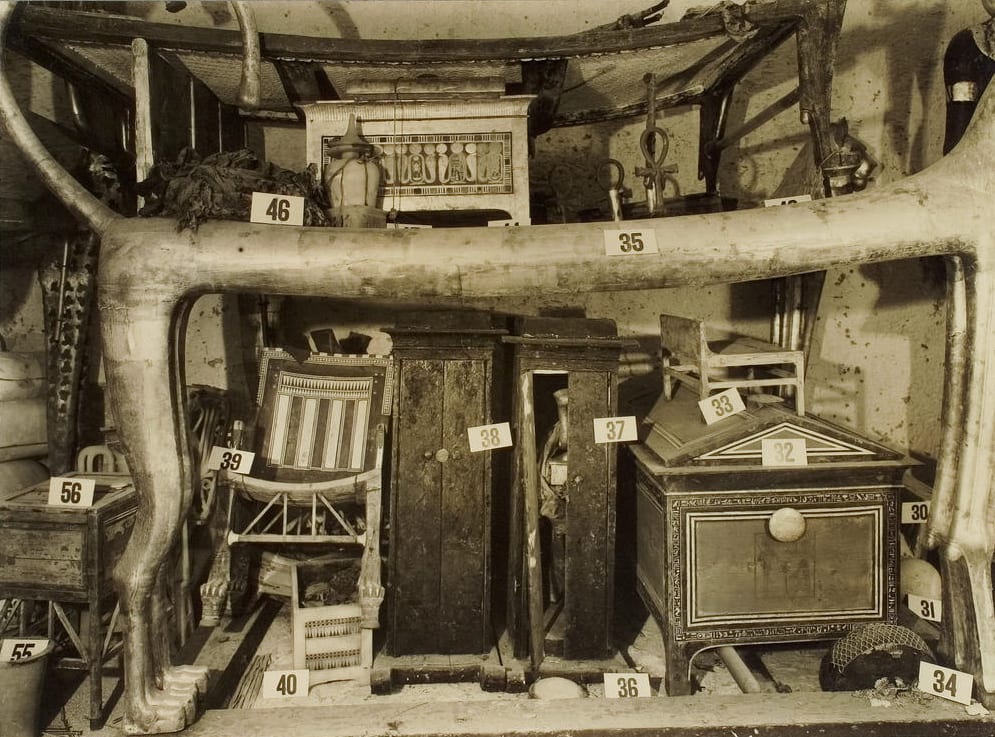
Inside were funerary objects crowded into chambers, preserving relationships that could be lost as soon as the contents were moved. Their value lay not only in their beauty or rarity. Position, arrangement and context could help explain the burial, making careful documentation part of the discovery itself.

Keep reading in Yester
Coming soon to the App Store
Keep following the story
Sources
Image: Harry Burton (1879-1940)