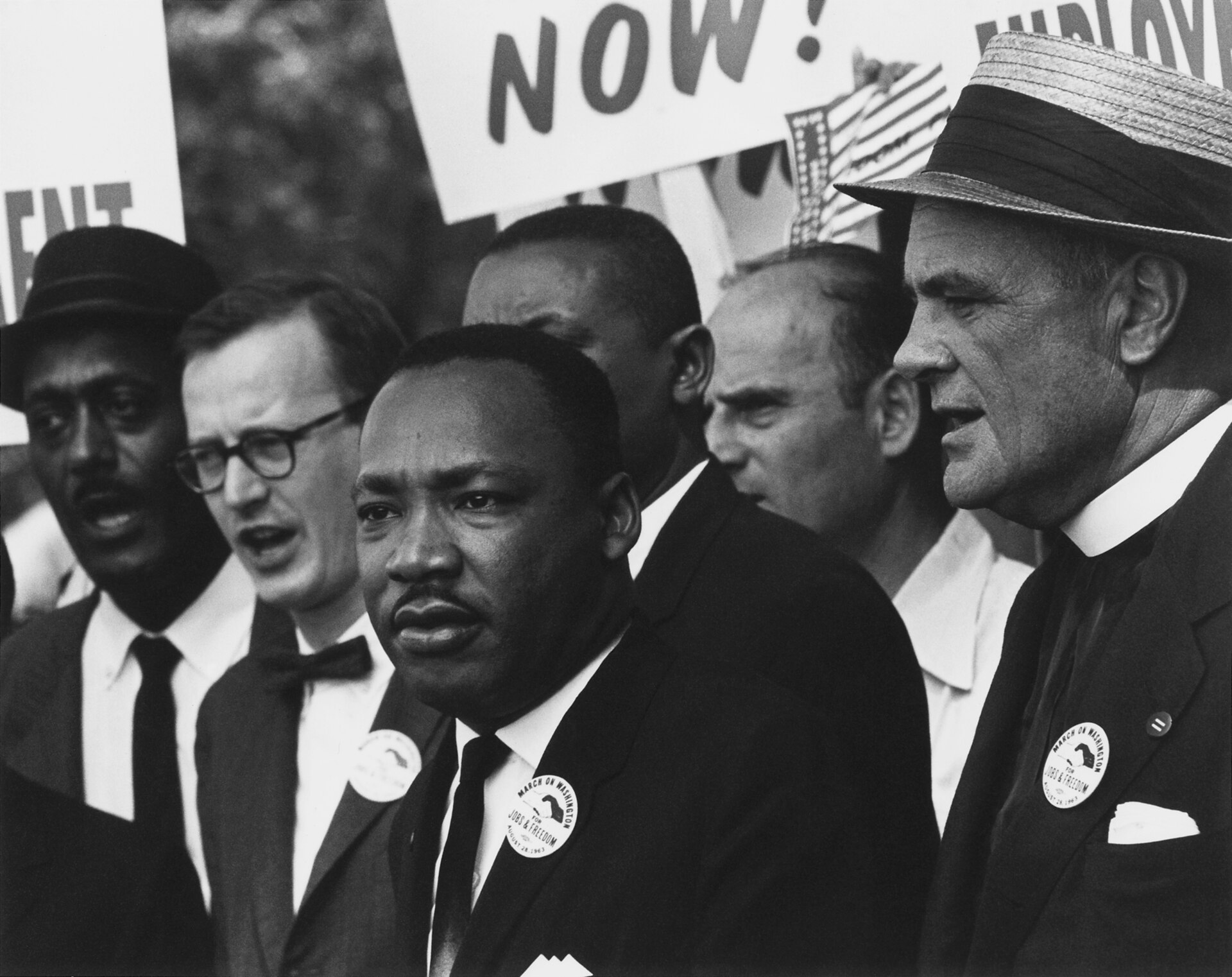
A March for Jobs and Freedom
In the summer of 1963, a broad coalition brought hundreds of thousands of people to the nation's capital to demand both an end to segregation and greater economic opportunity. The mobilization demonstrated the power of collective organizing, helping generate the public pressure that preceded federal civil rights legislation.
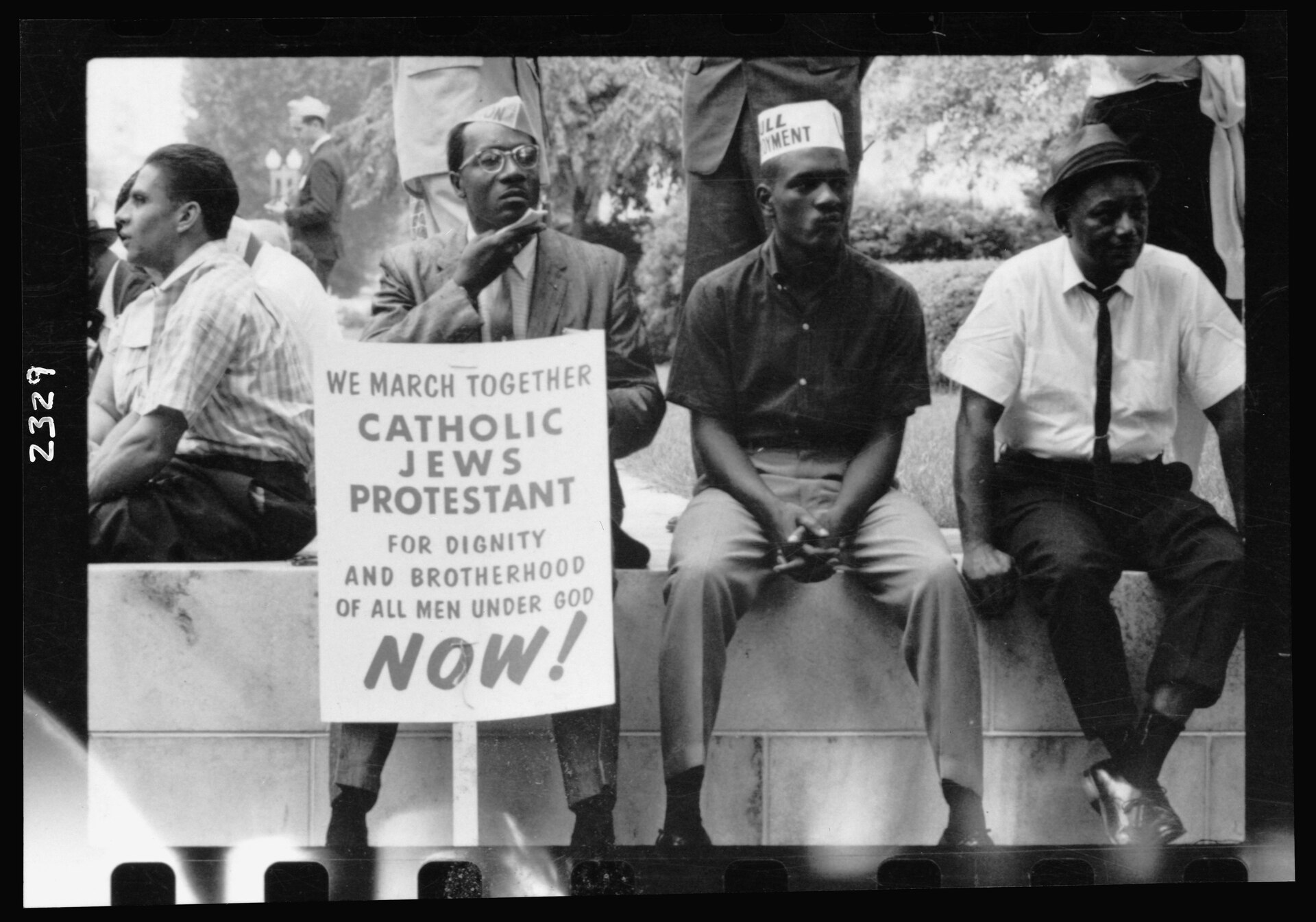
The 1963 gathering in Washington explicitly linked economic opportunity with the fight against segregation. By bringing together labor bodies, religious congregations, and civil rights groups, the demonstration unified distinct organizations around the joint demands of jobs and freedom rather than focusing on a single voice.
Assembling the mass demonstration during the summer of 1963 required extensive logistical coordination. Championed by A. Philip Randolph and largely directed by Bayard Rustin, the effort depended on organized transportation, volunteers, and a structured program to enable broad public participation.

Keep reading in Yester
Coming soon to the App Store
Keep following the story
Sources
Image: Rowland Scherman / Adam Cuerden