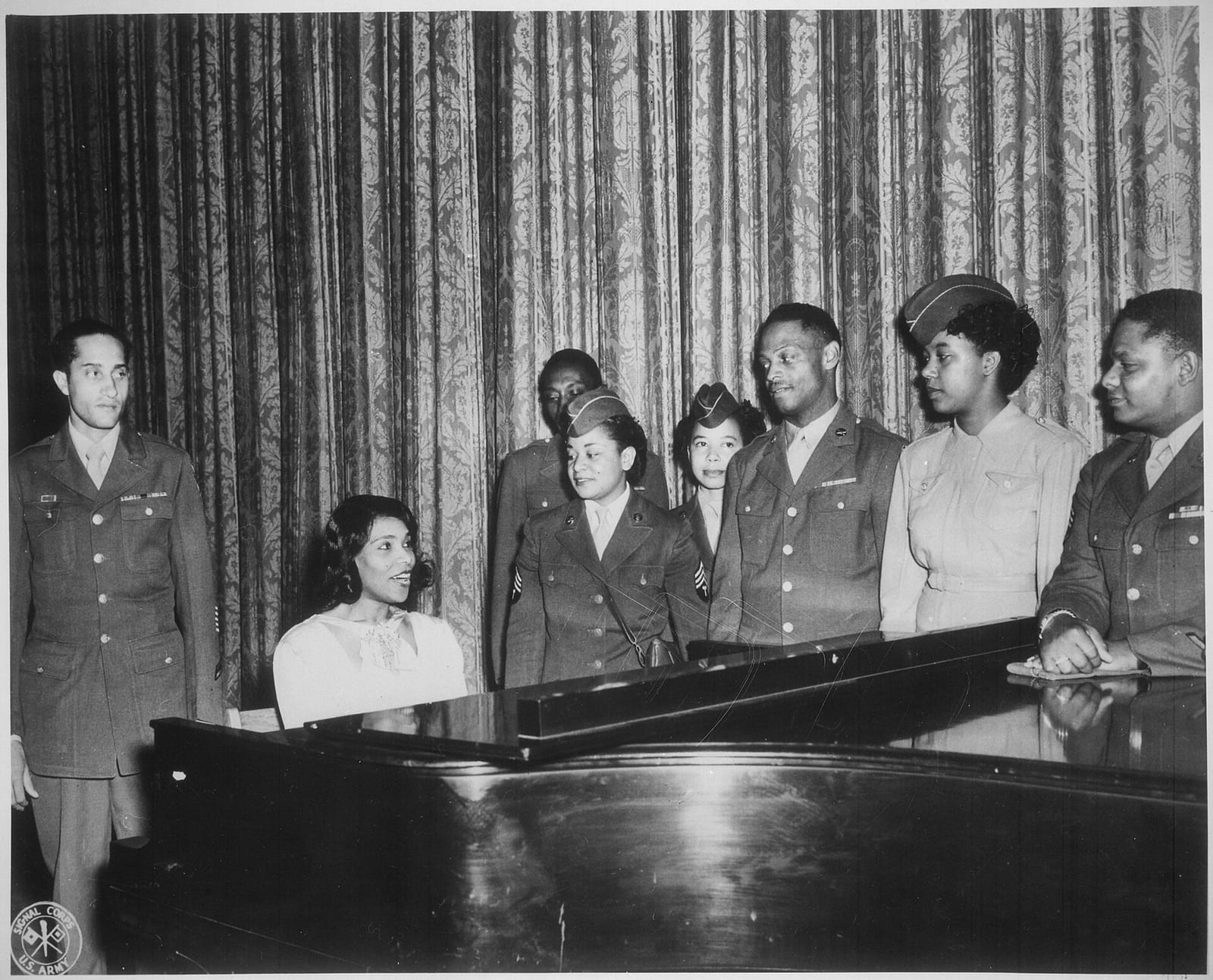
The Concert That Could Not Be Shut Out
Denied a concert hall because she was Black, Marian Anderson sang outside instead. The audience transformed a recital into a claim on American public life.
On Easter Sunday in 1939, the audience stretched away from the Lincoln Memorial toward the Washington Monument. Marian Anderson stood before an estimated 75,000 people with a pianist and microphones. She had not planned a confrontation at a national monument. She had planned a concert in a hall. The refusal to let her perform there had made the question of who could sing inseparable from the question of who belonged.
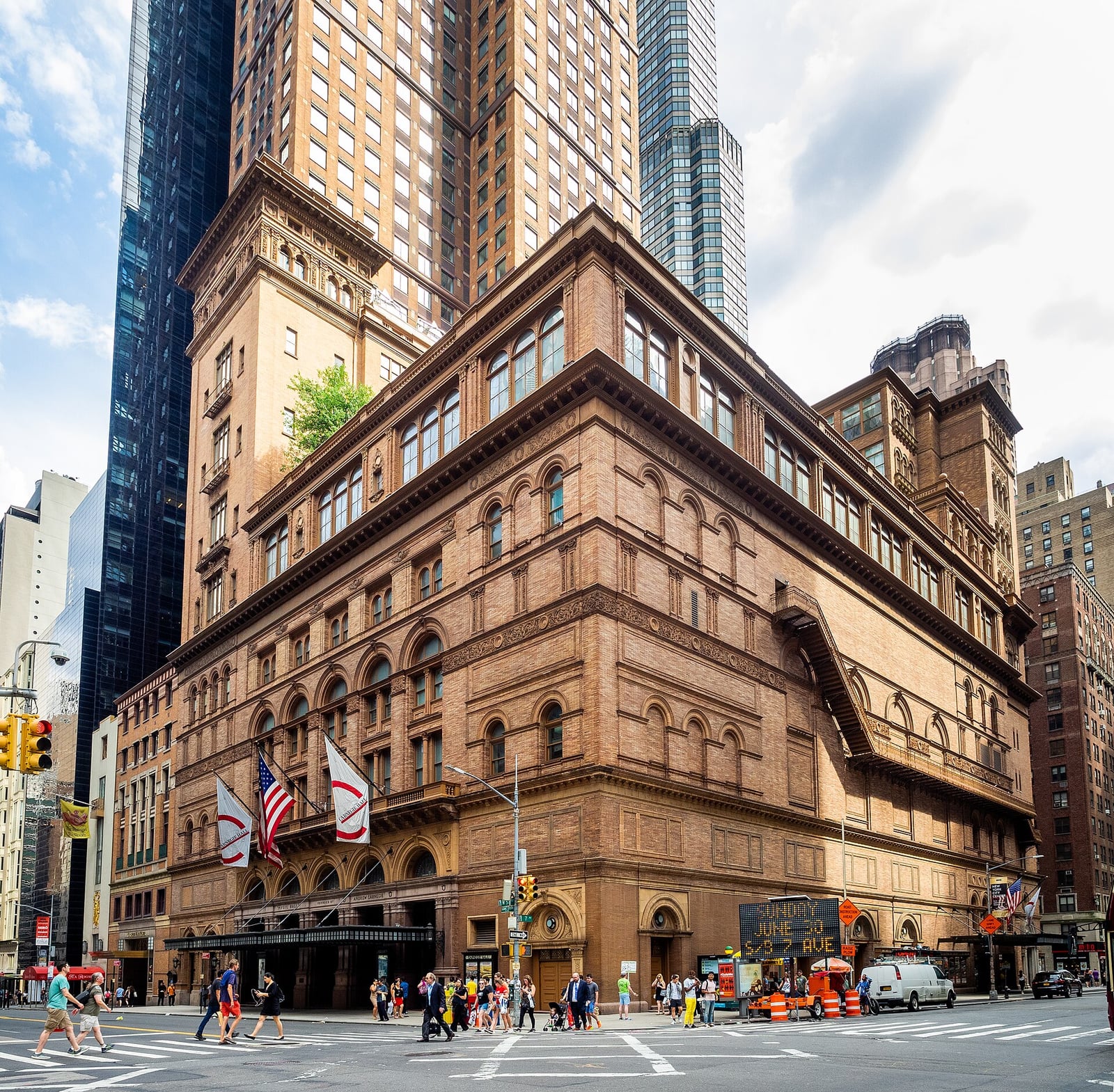
Anderson was already an internationally admired contralto. European audiences had acclaimed her, and she had performed at the White House. None of that persuaded the Daughters of the American Revolution to abandon the racial restriction governing Constitution Hall. The refusal was not a judgment on an unknown singer’s ability. It demonstrated how little even exceptional achievement could count against a rule built to exclude Black people.

Keep reading in Yester
Coming soon to the App Store
Keep following the story
Sources
- Marian Anderson (National Park Service, Home of Franklin D. Roosevelt)
- Marian Anderson and Constitution Hall (National Park Service)
- NBC Radio Coverage of Marian Anderson's Recital at the Lincoln Memorial (Library of Congress, National Recording Registry)
- Marian Anderson's 1939 Easter Concert (National Archives, Pieces of History)
Image: Unknown author Unknown author or not provided