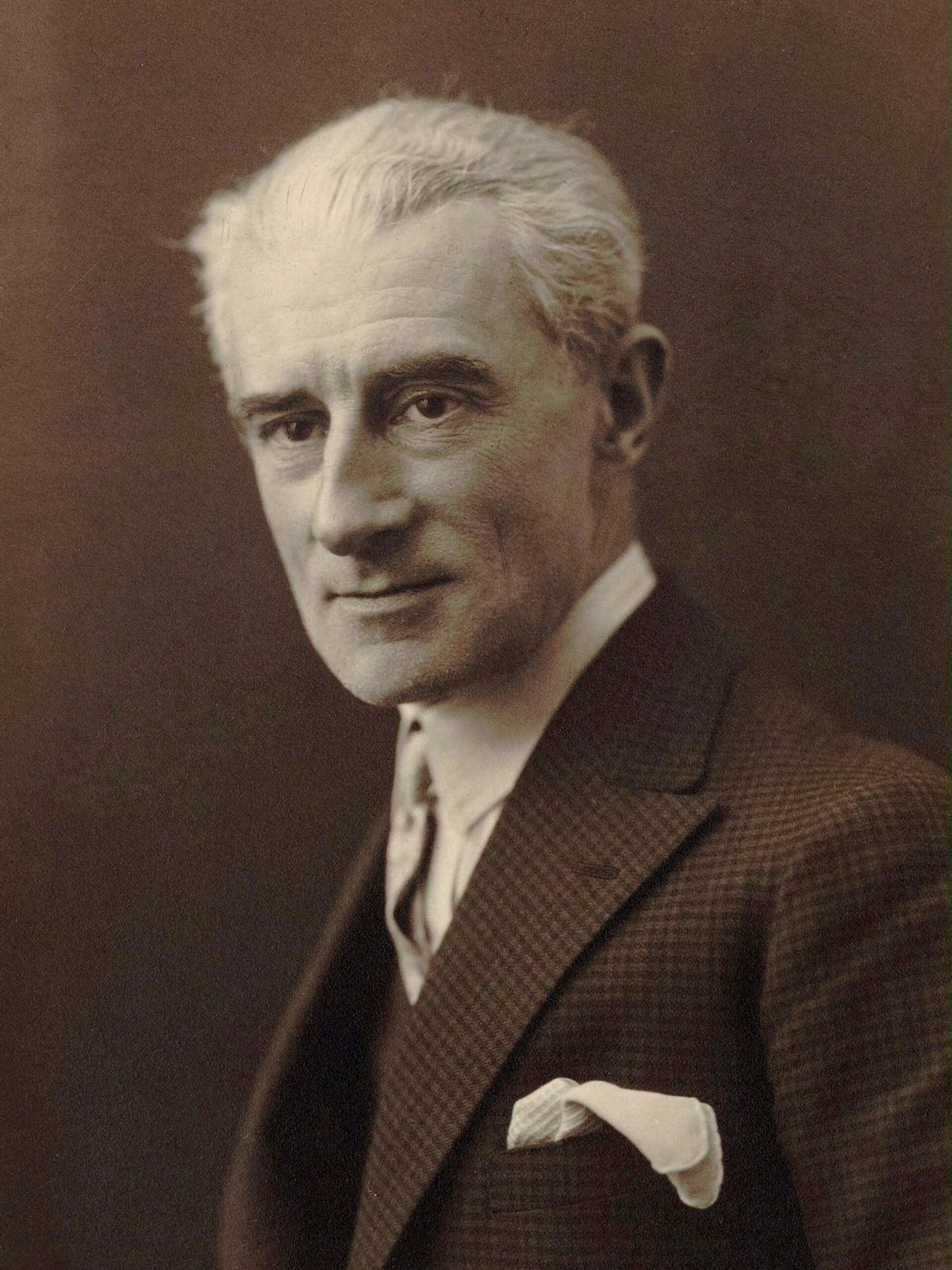
Ravel’s Boléro Builds Repetition to a Huge Climax
A ballet score built on relentless repetition became Ravel’s most famous composition.
In 1928, dancer Ida Rubinstein approached French composer Maurice Ravel with a request to orchestrate six selections from Isaac Albeniz's piano suite Iberia. That initial plan stalled when Ravel learned that conductor Enrique Fernandez Arbos had already scored the pieces and held the copyright. Although Arbos offered to waive his rights after hearing of the situation, Ravel altered his course. After briefly considering orchestrating one of his own earlier works, he opted instead to create an entirely original score based on the Spanish bolero form.
While vacationing at Saint-Jean-de-Luz, Ravel played an opening melody with a single finger for his friend Gustave Samazeuilh, musing that the persistent phrase could be repeated throughout a work without standard thematic development while the orchestral forces expanded. The final composition unfolded in C major in triple meter, built atop an unchanging rhythm played 169 times on one or more snare drums. Two alternating melodies, repeated 18 times in all, weave across the percussion pulse, shifting gradually across diverse wind, brass, and string combinations alongside multi-key doublings.

Keep reading in Yester
Coming soon to the App Store
Keep following the story
Sources
- Bolero, work by Ravel (Encyclopaedia Britannica)
- What's the story behind Ravel's 'Bolero', and why is it so controversial? (Classic FM)
- Bolero, program note by John Mangum (Los Angeles Philharmonic)
- Ravel: Bolero (Utah Symphony)
- French court rules Ravel was sole author of Bolero (Euronews with AFP)
- Boléro
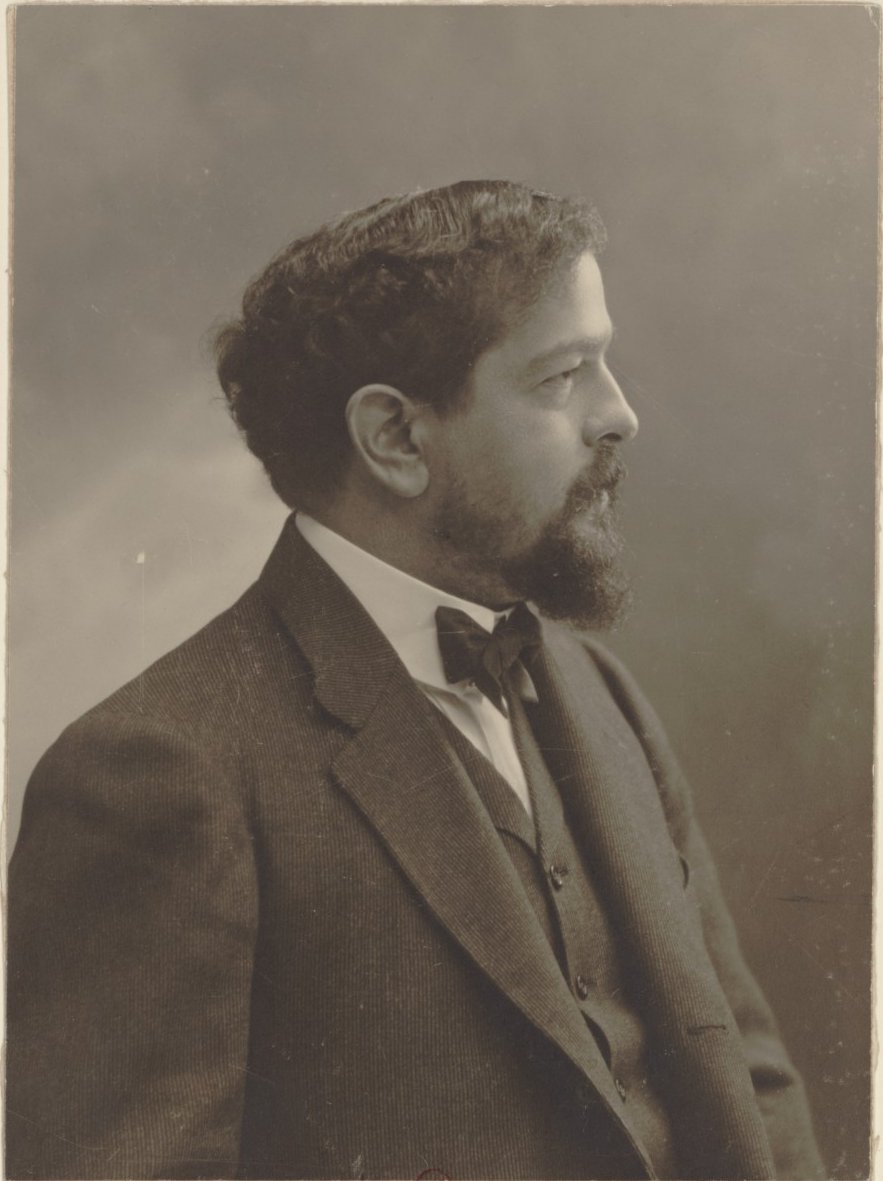
Image: Unknown author Unknown author The image holder, the Bibliothèque nationale de France has not identified a photographer. (Follow link and click on "Detailed information".)