Scholars at Preslav Shape the Cyrillic Alphabet
Followers of Cyril and Methodius created a script now used by about 250 million people.
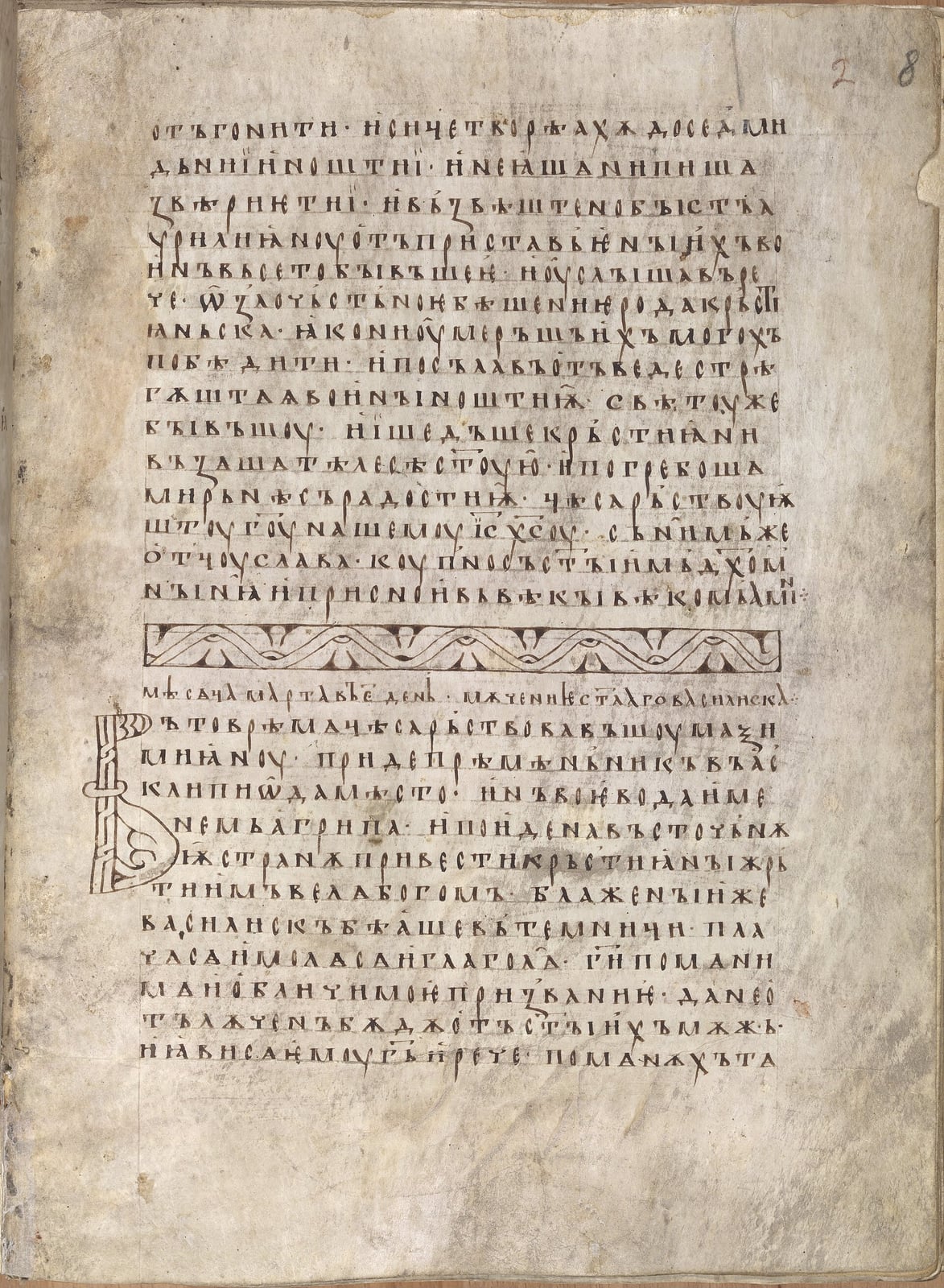
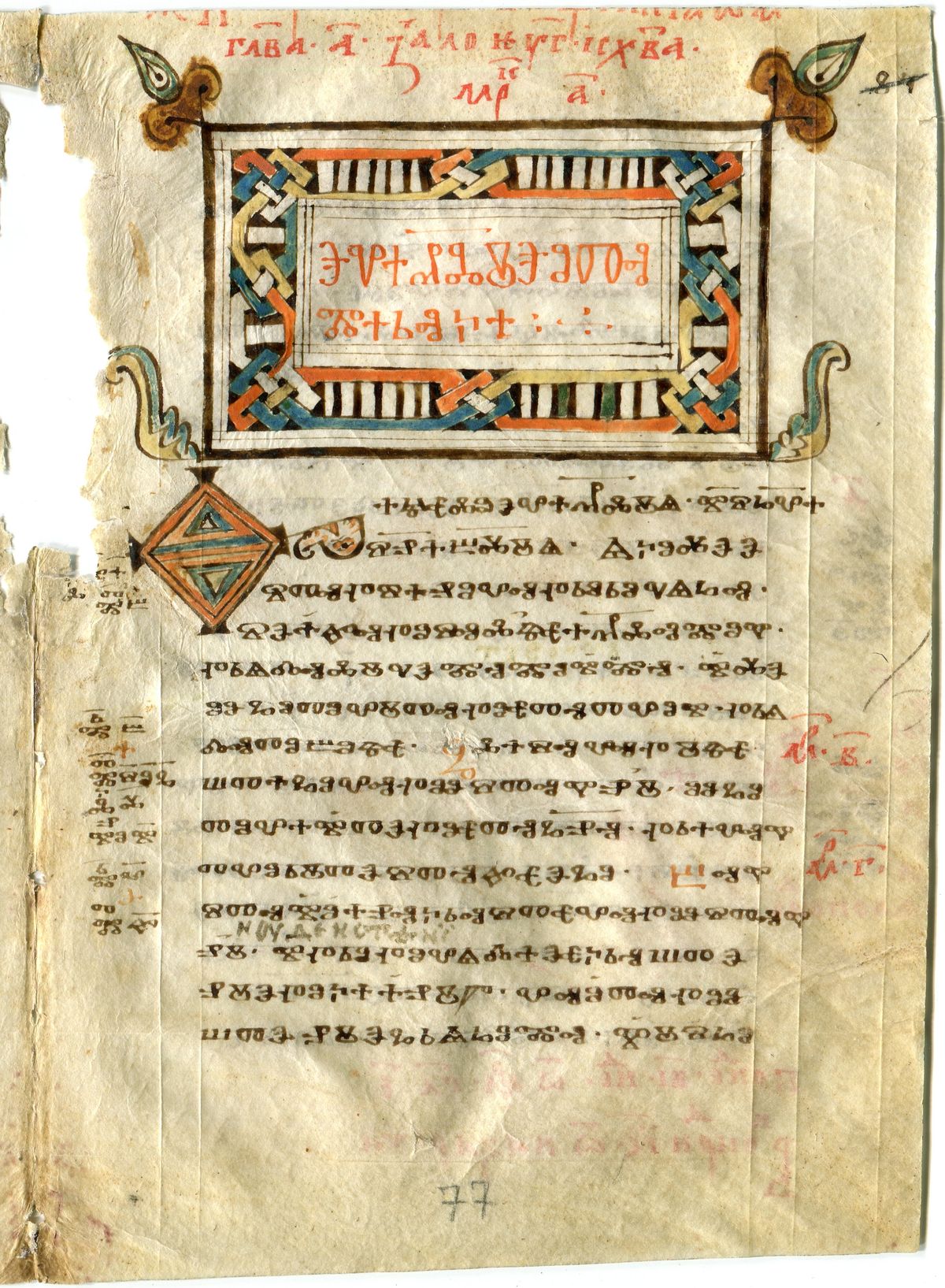
During the late ninth century, the Preslav Literary School emerged as the foremost cultural and literary center of the First Bulgarian Empire. In this environment, scholars developed what modern paleographers call the Early Cyrillic alphabet. The Byzantine monk Saint Cyril, possibly assisted by his brother Saint Methodius, had designed the earlier Glagolitic script around 863. Within decades, Cyril's disciples in northeastern Bulgaria sought a writing system better suited for ecclesiastical texts. Working closely with Greek uncial book hands, these scholars modified the Greek alphabet for Slavic phonology while retaining several Glagolitic characters to represent distinct sounds that Greek lacked.
The institutional adoption of this new system is frequently linked to the Council of Preslav in 893, when the Bulgarian realm officially endorsed a Slavic liturgy. Scholars at Preslav abandoned the older script far more rapidly than their peers at the Ohrid Literary School, where churchmen preserved Glagolitic well into the twelfth century. The earliest surviving Cyrillic inscriptions concentrate in the area surrounding Preslav, including the Krepcha inscription from 921 and an inscribed ceramic vase from 931. While many historians attribute the alphabet directly to Cyril's students at the Preslav center, alternative views exist. The linguist Horace Lunt proposed that Cyrillic writing first took shape in border regions where Greek clergy proselytized among Slavic groups, prior to its formal systematization.

Keep reading in Yester
Coming soon to the App Store
Keep following the story
Sources
Image: Unknown author Unknown author