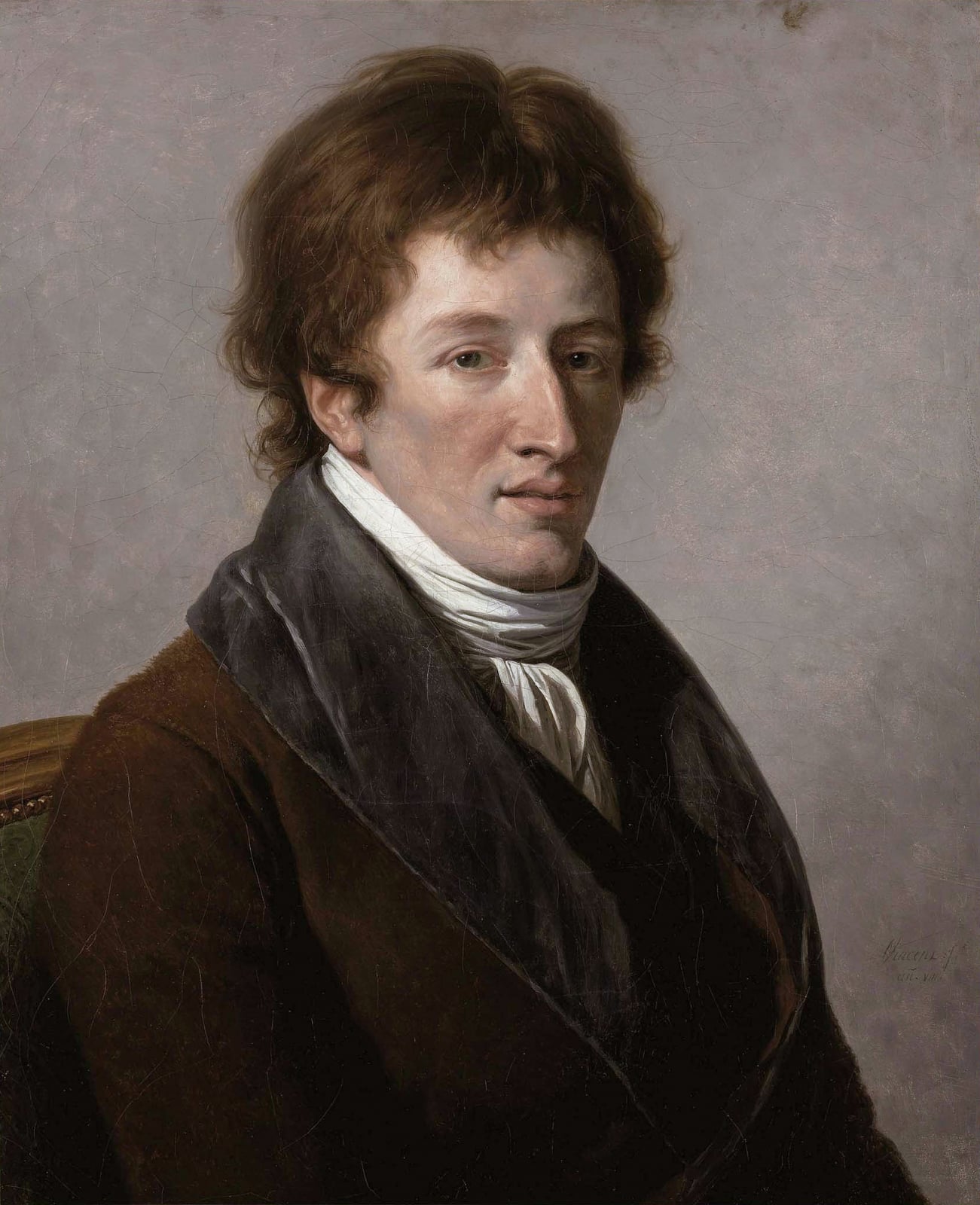
Cuvier Argues That Species Can Become Extinct
Comparative anatomy gave evidence for animals no longer living on Earth.
In 1796, at the newly established National Institute in Paris, the French anatomist Georges Cuvier presented a paper that transformed natural history. At the time, the reality of extinction was still widely contested, and many naturalists doubted that any animal species had ever disappeared entirely from the planet. Skeletons of unfamiliar beasts unearthed in Europe and the Americas were commonly dismissed as tropical creatures that had migrated, or as animals still roaming uncharted corners of the globe. Cuvier directly challenged this consensus by subjecting fossil remains to rigorous anatomical comparison.
Cuvier compared skeletons of living African and Indian elephants with mammoth remains and the so-called Ohio animal, later known as a mastodon. His analysis focused on the precise structure of teeth and jaws, revealing that the fossil quadrupeds possessed distinct anatomical profiles that separated them from any modern species. Given the colossal size of such animals, he argued that surviving populations could not simply have escaped human notice in unexplored regions. In a second paper read that same year, he analyzed a massive skeleton from South America, identifying it as Megatherium, an extinct ground-dwelling sloth.

Keep reading in Yester
Coming soon to the App Store
Keep following the story
Sources
Image: François-André Vincent