Rio’s Vaccine Revolt Reveals a Crisis of Public Trust
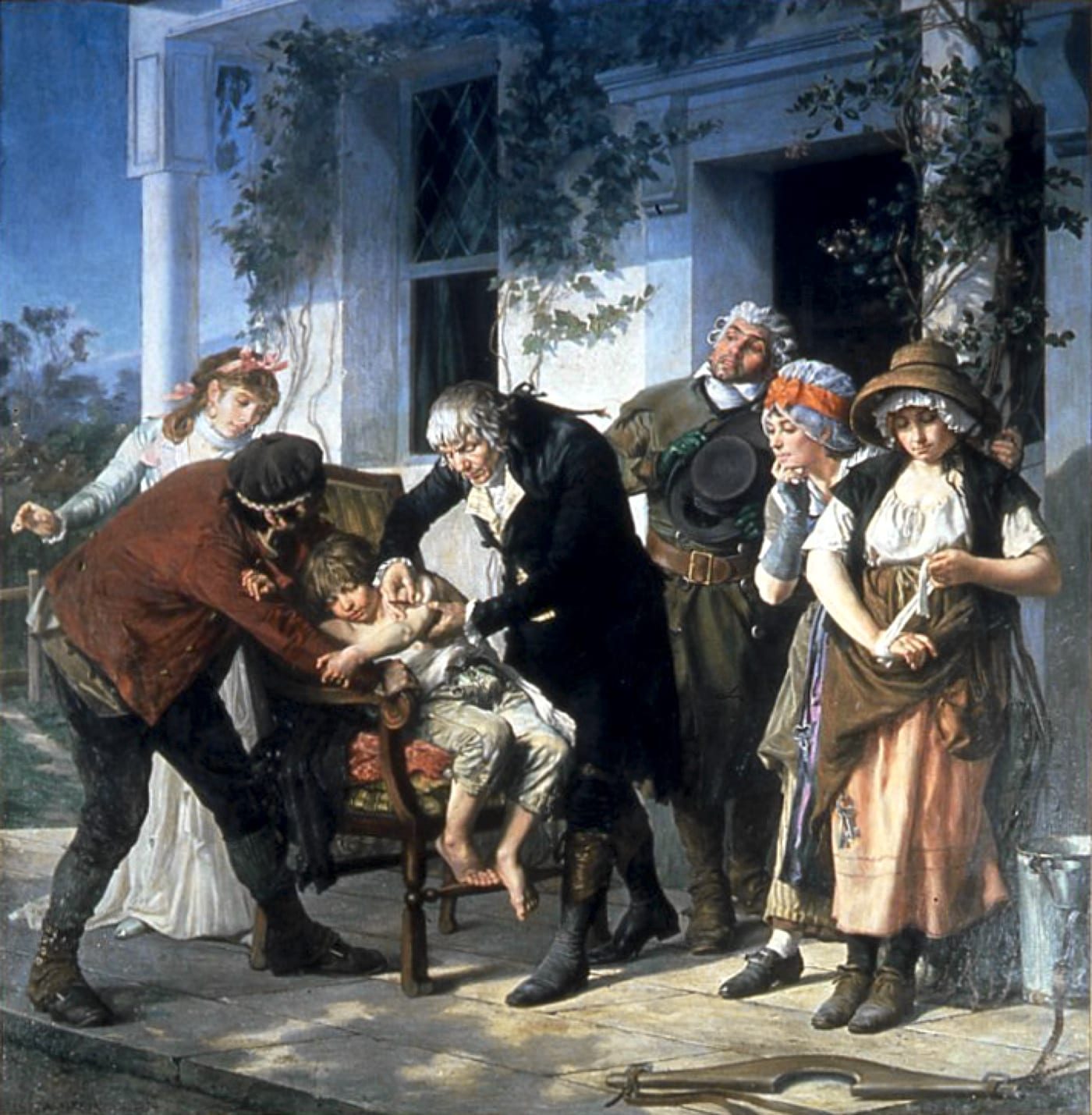
A campaign against smallpox collided with coercion, displacement and distrust in 1904. Effective medical knowledge did not make the politics of imposing it disappear.
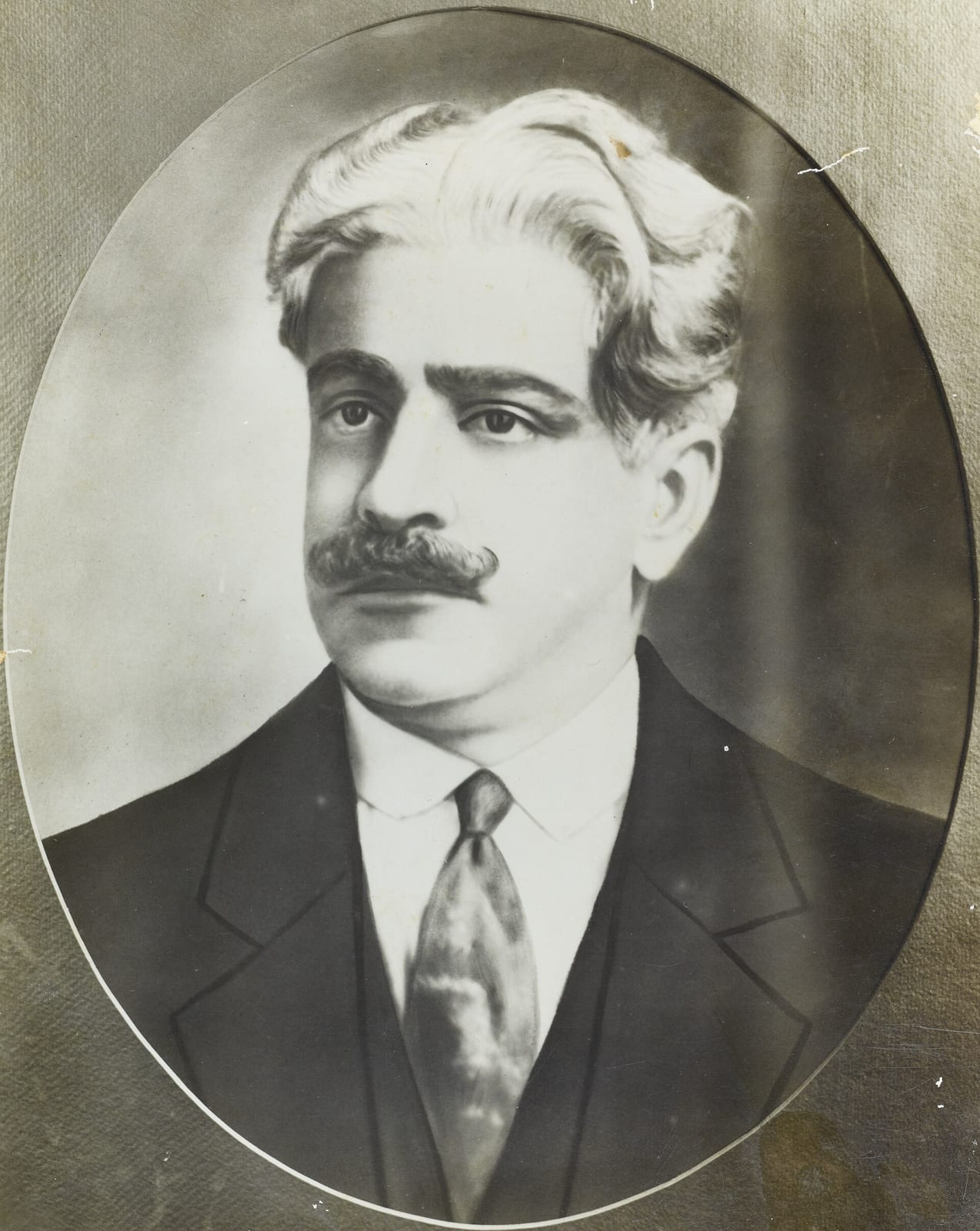
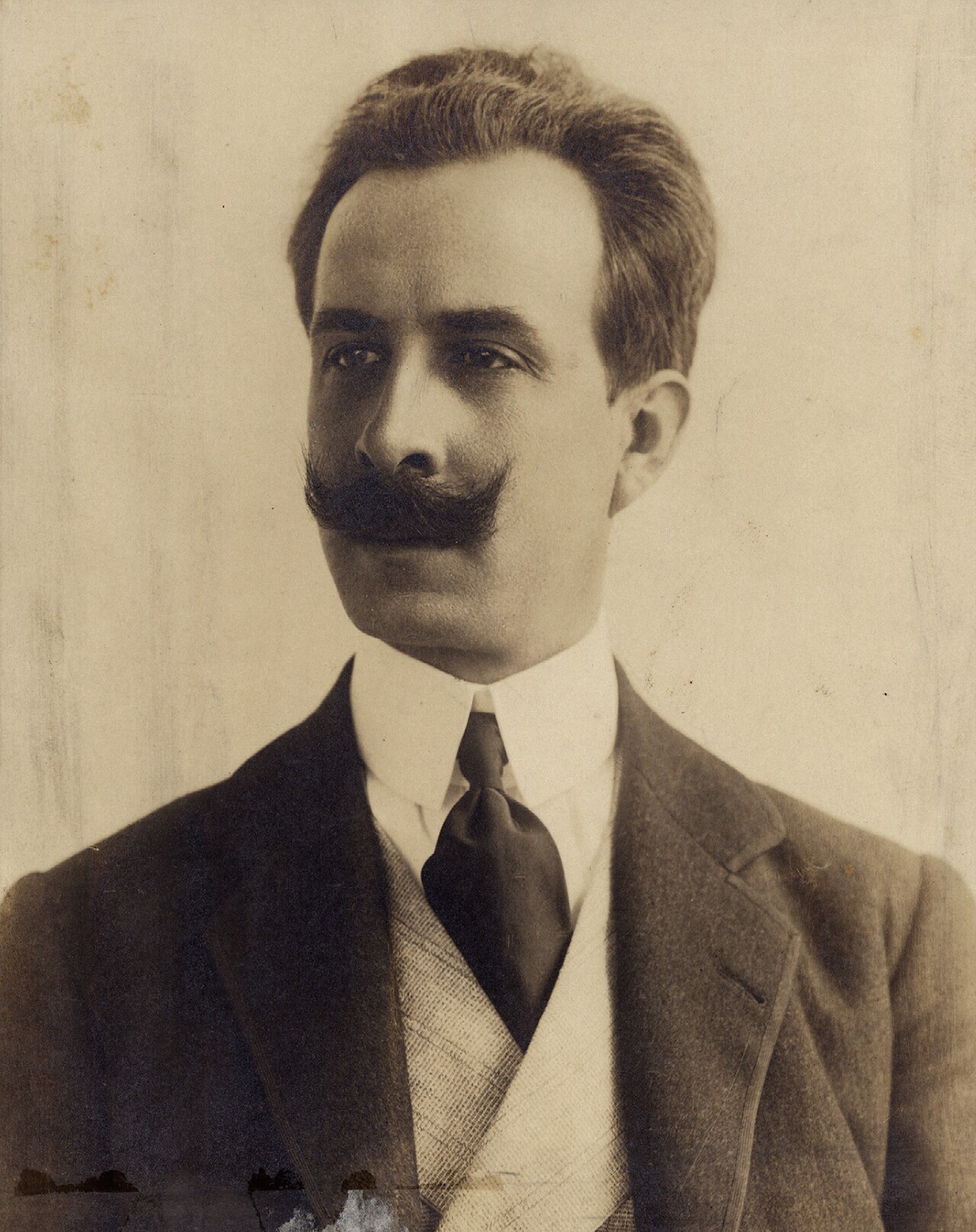
In November 1904, Rio de Janeiro erupted into a week of violent street fighting known as the Vaccine Revolt. The immediate catalyst was a public health decree published on 9 November, which required proof of immunization against smallpox for school enrollment, employment, travel, and marriage. Enacted by the administration of President Rodrigues Alves and guided by public health director Oswaldo Cruz, the measure prescribed fines for refusal and provoked fierce popular resistance. Clashes began the following day around Largo de Sao Francisco de Paula and Praca Tiradentes, quickly expanding across the capital as crowds confronted police detachments.
The mandatory inoculation drive followed years of high mortality from endemic outbreaks, including yellow fever, bubonic plague, and smallpox. Appointed in 1903 to lead the General Directorate of Public Health, Cruz had initiated aggressive sanitation initiatives that targeted disease vectors with coercive authority. Mosquito-eradication brigades sprayed private residences, de-ratting units served subpoenas requiring property renovations, and health inspectors gained legal power to enter domestic spaces accompanied by armed soldiers. While intended to suppress epidemics that deterred foreign commerce and shipping, these intrusive measures generated deep resentment among residents, who protested domestic invasions, property damage, and the requirement to expose bodies to state personnel.

Keep reading in Yester
Coming soon to the App Store
Keep following the story
Sources
Image: Unknown Unknown