The Copenhagen Climate Summit Falls Short
A conference meant to succeed Kyoto ended with a non-binding accord.
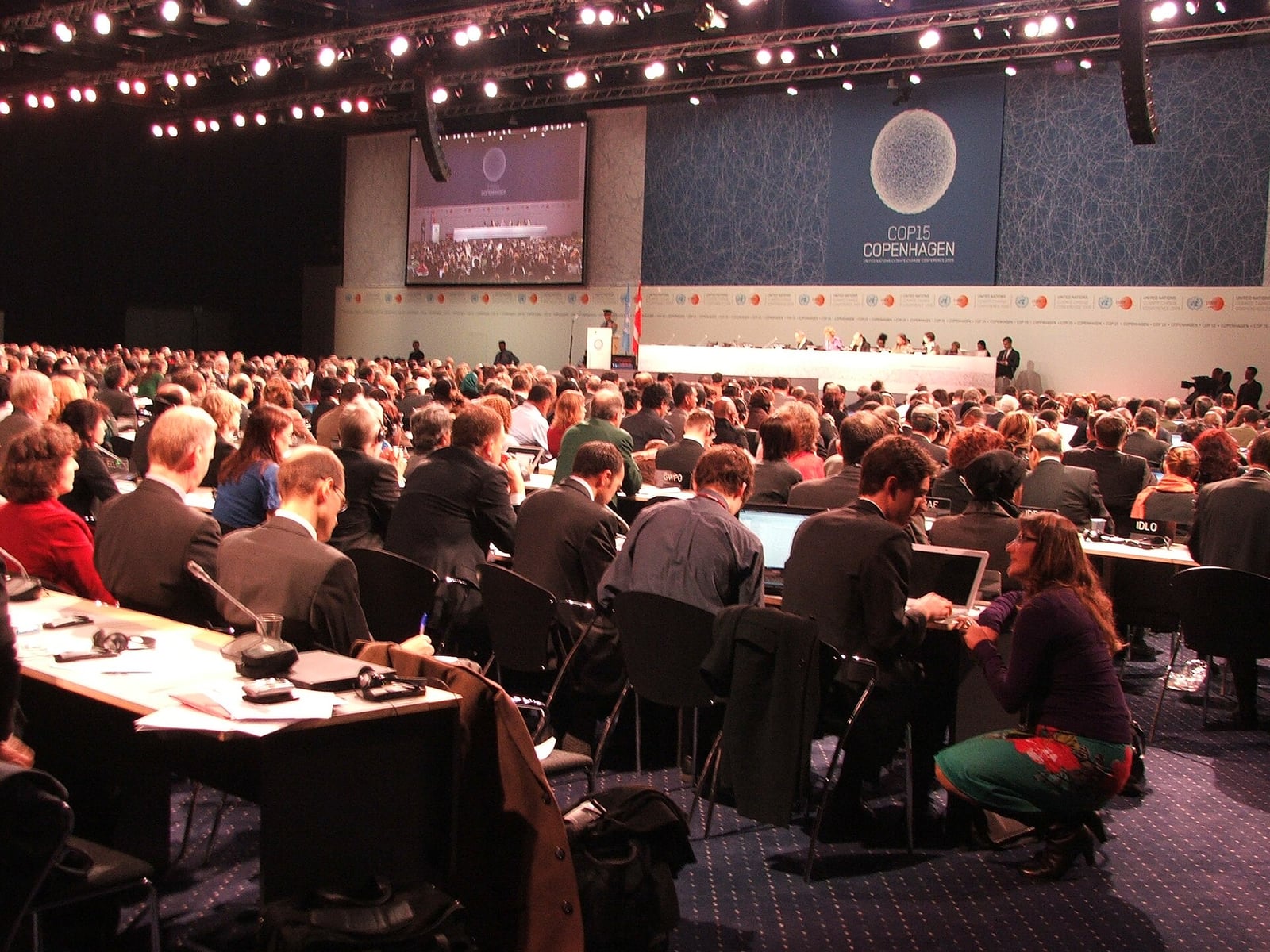
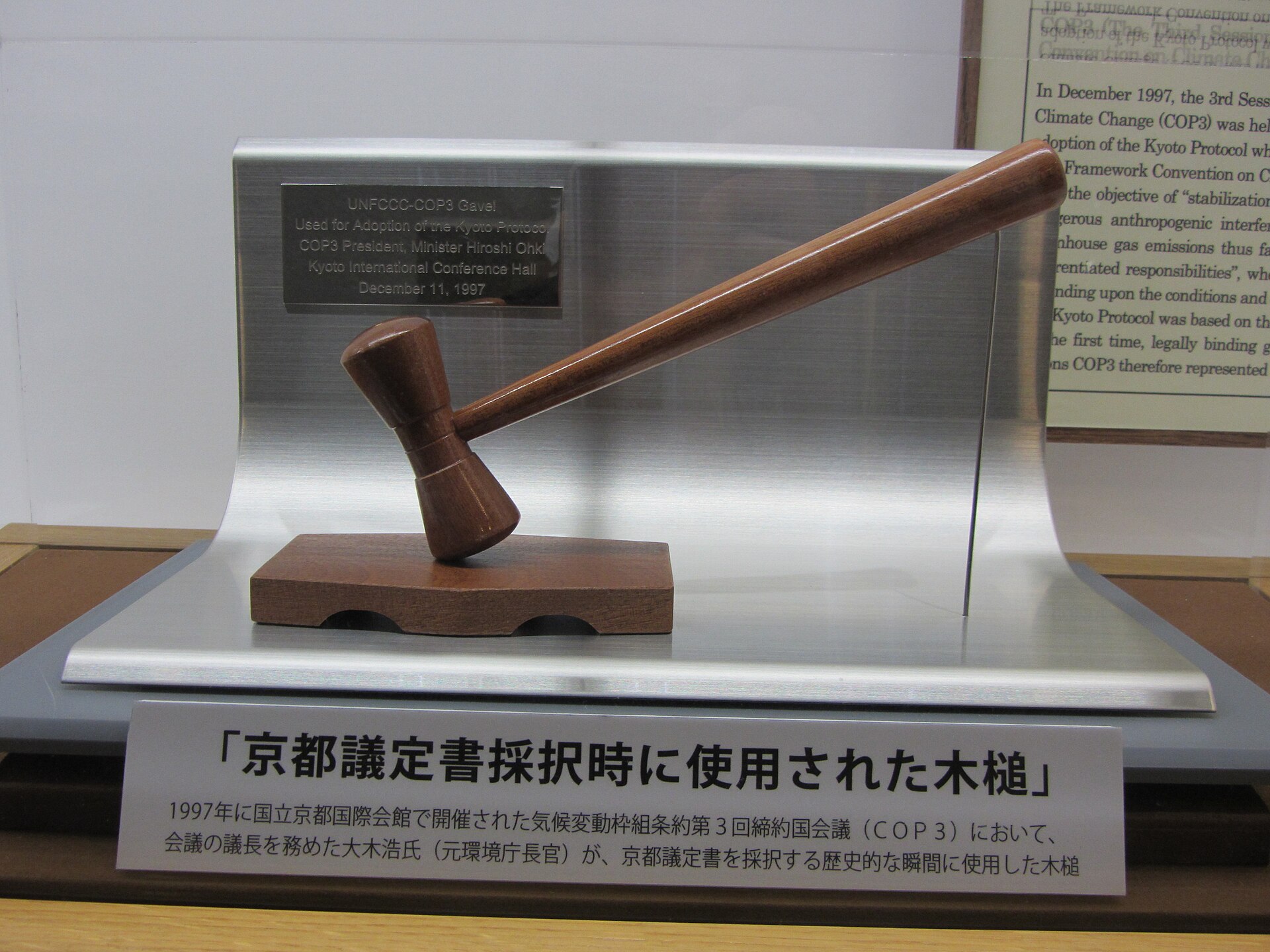
In December 2009, representatives from across the globe gathered at the Bella Center in Copenhagen for the 15th Conference of the Parties to the United Nations Framework Convention on Climate Change. Guided by the earlier Bali Road Map, the assembly was intended to establish a comprehensive international framework for mitigating climate change after 2012. The summit marked a pivotal moment in multilateral environmental diplomacy, tasked with delivering a successor arrangement to the earlier commitments forged when delegates had seen nations adopt the Kyoto Protocol.
Expectations leading into the Danish capital were substantial, backed by months of preparatory meetings in Bonn, Bangkok, and Barcelona. Negotiators wrestled with aggregate reduction targets for industrialised states, alongside proposals submitted by individual countries. Several nations introduced conditional and unilateral pledges, ranging from absolute cuts relative to baseline years to reductions in carbon intensity. Meanwhile, the European Union committed to binding reductions regardless of the conference's eventual outcome, having revised its regional Emissions Trading Scheme to prepare for post-2012 carbon caps.

Keep reading in Yester
Coming soon to the App Store
Keep following the story
Sources
- COP 15 event page (UNFCCC)
- Report of the Conference of the Parties on its fifteenth session, Addendum, FCCC/CP/2009/11/Add.1, including decision 2/CP.15 Copenhagen Accord (UNFCCC)
- Summary report, Copenhagen Climate Change Conference (Earth Negotiations Bulletin, IISD)
- Daily report for 16 December 2009 (Earth Negotiations Bulletin, IISD)
- COP 15 Copenhagen (Center for Climate and Energy Solutions)
- Nearly 1,000 arrested outside climate talks (NBC News / AP)
- Denmark frees nearly 1,000 climate protesters (NBC News / AP)
- Copenhagen climate summit
Image: SustainUS from United States