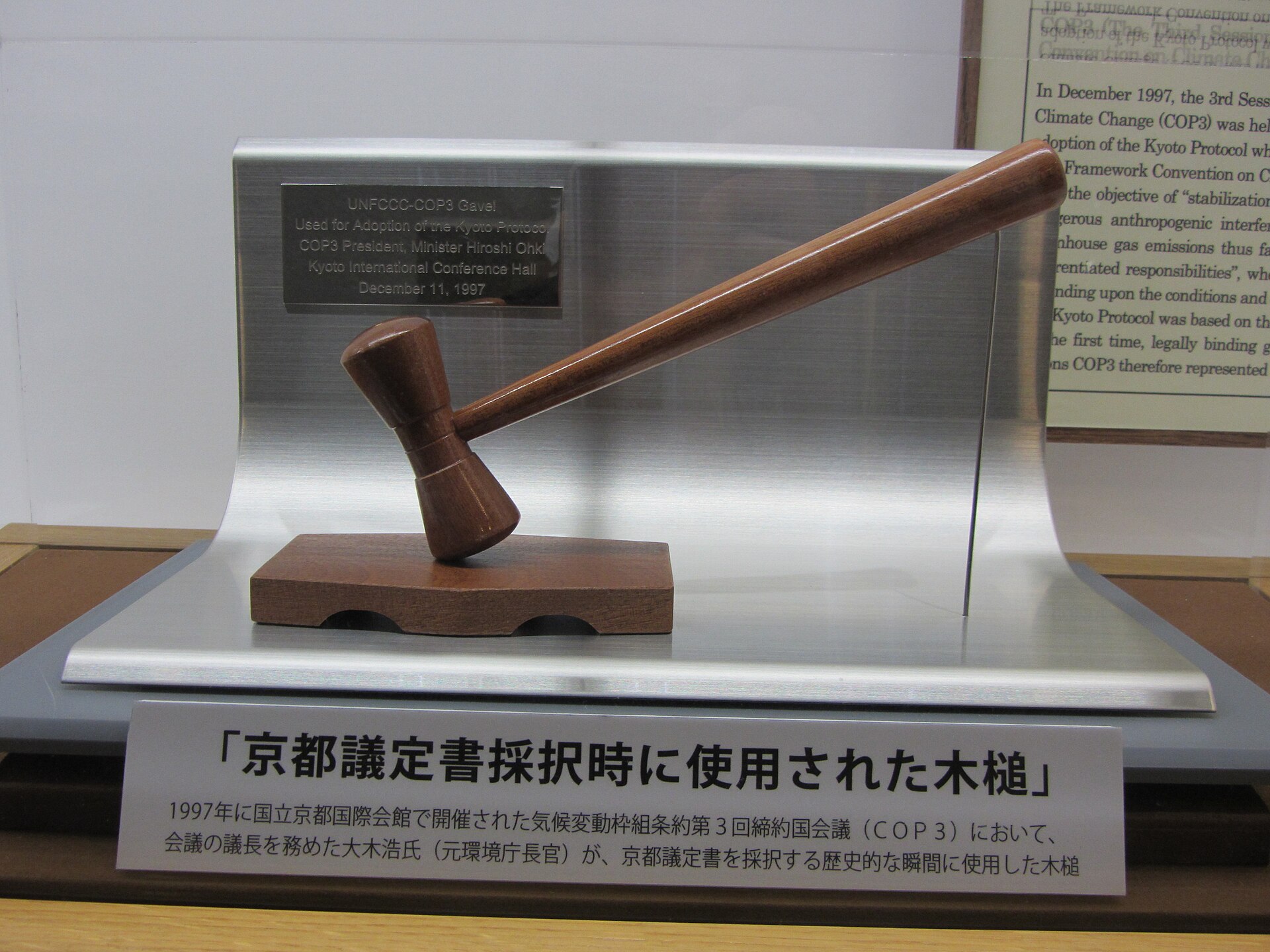
Nations Adopt the Kyoto Protocol
The first treaty with binding targets for cutting greenhouse gas emissions.
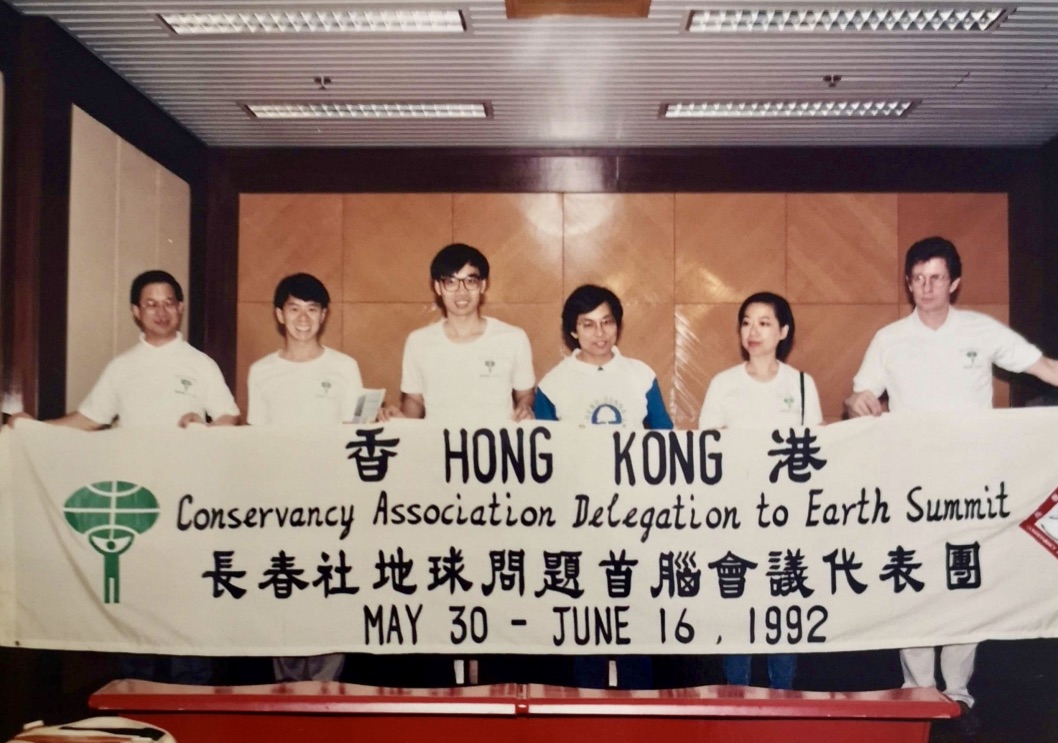
On 11 December 1997, delegates at the third session of the Conference of the Parties in Kyoto, Japan, concluded negotiations on the Kyoto Protocol. The pact served as an operational extension of the United Nations Framework Convention on Climate Change, which had been introduced five years earlier at the Earth Summit in Rio de Janeiro. While the parent convention established an aspiration to stabilize atmospheric concentrations of greenhouse gases and halt dangerous human interference with the climate system, it lacked legally binding obligations. The new protocol sought to remedy that limitation by establishing formal, mandatory emission reduction limits for industrialized states.
The agreement rested on the principle of common but differentiated responsibilities, reflecting the historical reality that developed nations had generated the bulk of atmospheric greenhouse gas concentrations. Under this framework, 37 industrialized countries and the European Community, categorized as Annex I parties, agreed to binding caps for the first commitment period spanning from 2008 to 2012. Developing nations, including emerging powers such as China, India, and Brazil, faced no quantitative emission targets during this initial phase, an arrangement intended to allow lower-income countries the economic space required to address domestic development needs.

Keep reading in Yester
Coming soon to the App Store
Keep following the story

Sources
- What is the Kyoto Protocol? (UNFCCC)
- The Doha Amendment (UNFCCC)
- Kyoto Protocol to the United Nations Framework Convention on Climate Change, status (United Nations Treaty Collection)
- Compliance of the Parties to the Kyoto Protocol in the first commitment period (I4CE, abstract of Shishlov, Morel and Bellassen, Climate Policy 2016)
- Kyoto Protocol
Image: Jason Riedy