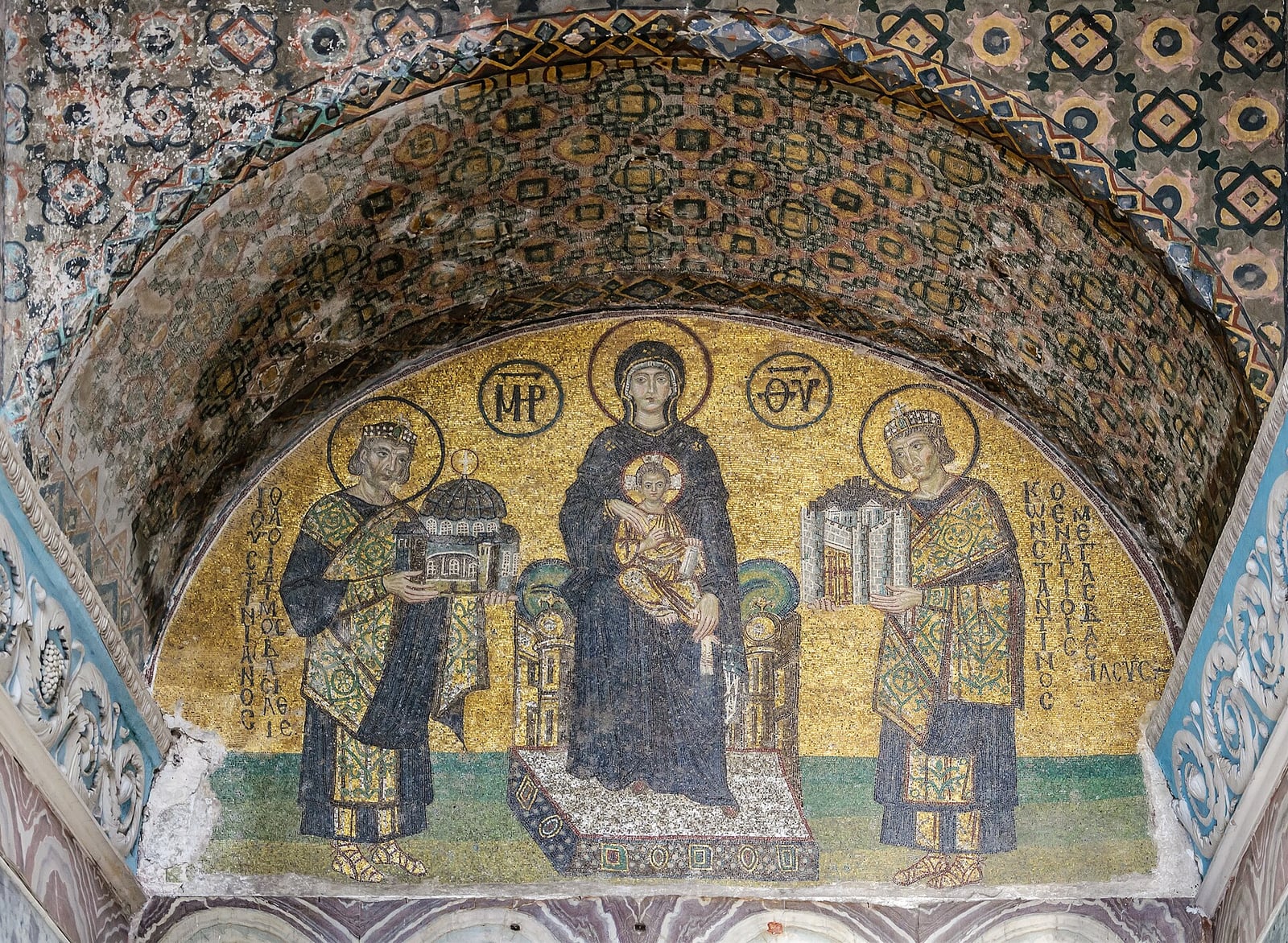
Constantine Dedicates a New Rome on the Bosphorus
A Greek town became the capital of the eastern Roman world.
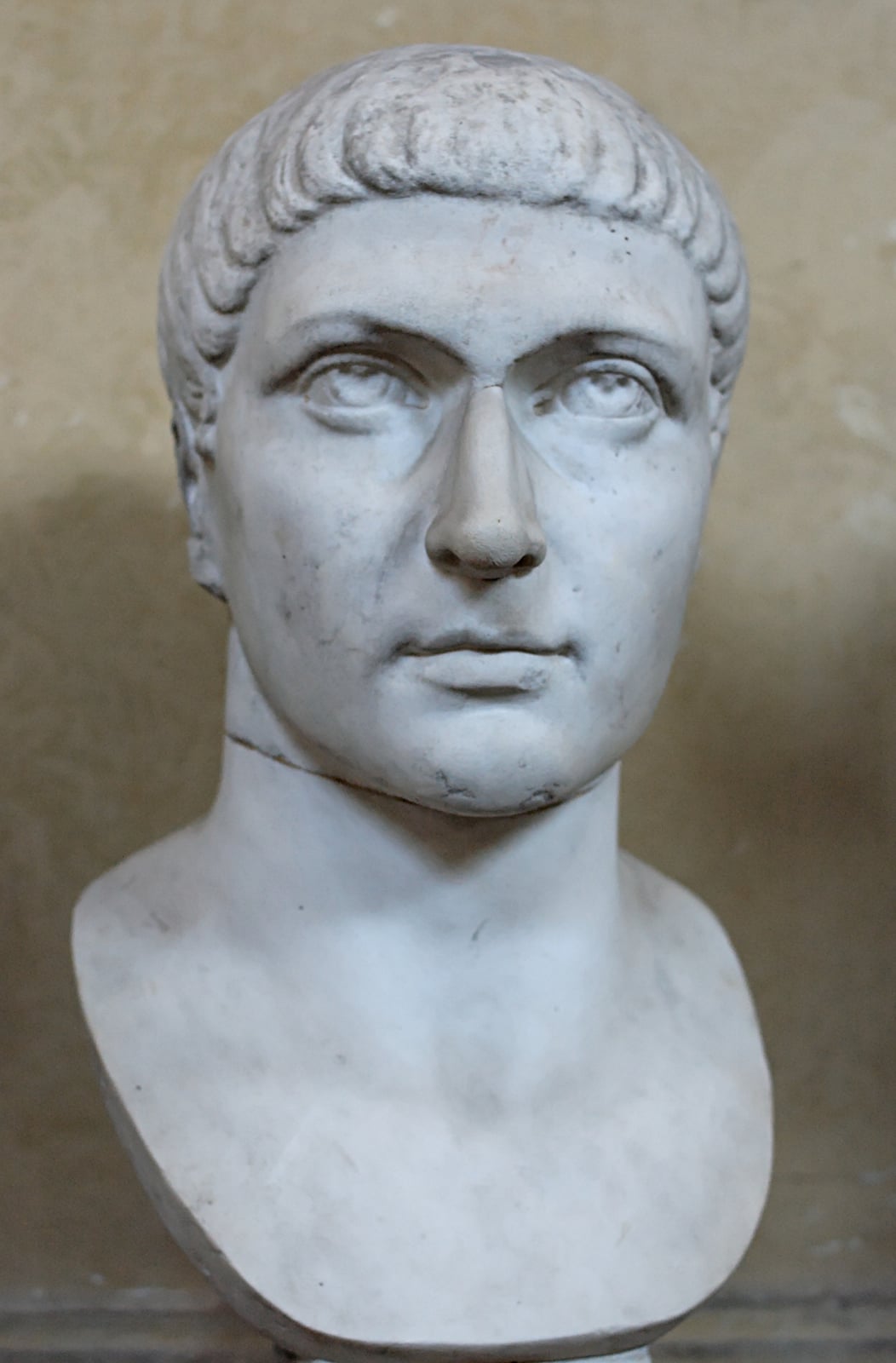
On 11 May 330, the Roman emperor Constantine I formally dedicated his new imperial capital on the site of ancient Byzantium. Situated on a triangular peninsula at the southern mouth of the Bosphorus, the location offered commanding access to trade routes between Europe and Asia as well as maritime traffic linking the Black Sea to the Mediterranean. By moving the primary seat of imperial power away from the city of Rome, Constantine chose an eastern vantage point from which his administration could respond more rapidly to military frontiers along the Danube and the Euphrates, supported by the revenues and agricultural output of the eastern provinces.
Originally designated Nova Roma, or New Rome, the city soon came to be known widely as Constantinople in honor of its founder. Constantine laid out the urban core according to classical traditions, dividing it into fourteen administrative districts to mirror Rome. The new monumental center featured the Augustaion, a public square framed by a new senate house, the Great Palace, and the sprawling Hippodrome, which could accommodate tens of thousands of spectators. Broad colonnaded avenues, notably the Mese, cut across the peninsula, linking newly constructed public squares such as the Forum of Constantine to the original Constantinian defensive perimeter.

Keep reading in Yester
Coming soon to the App Store
Keep following the story
Sources
Image: Photograph: Myrabella