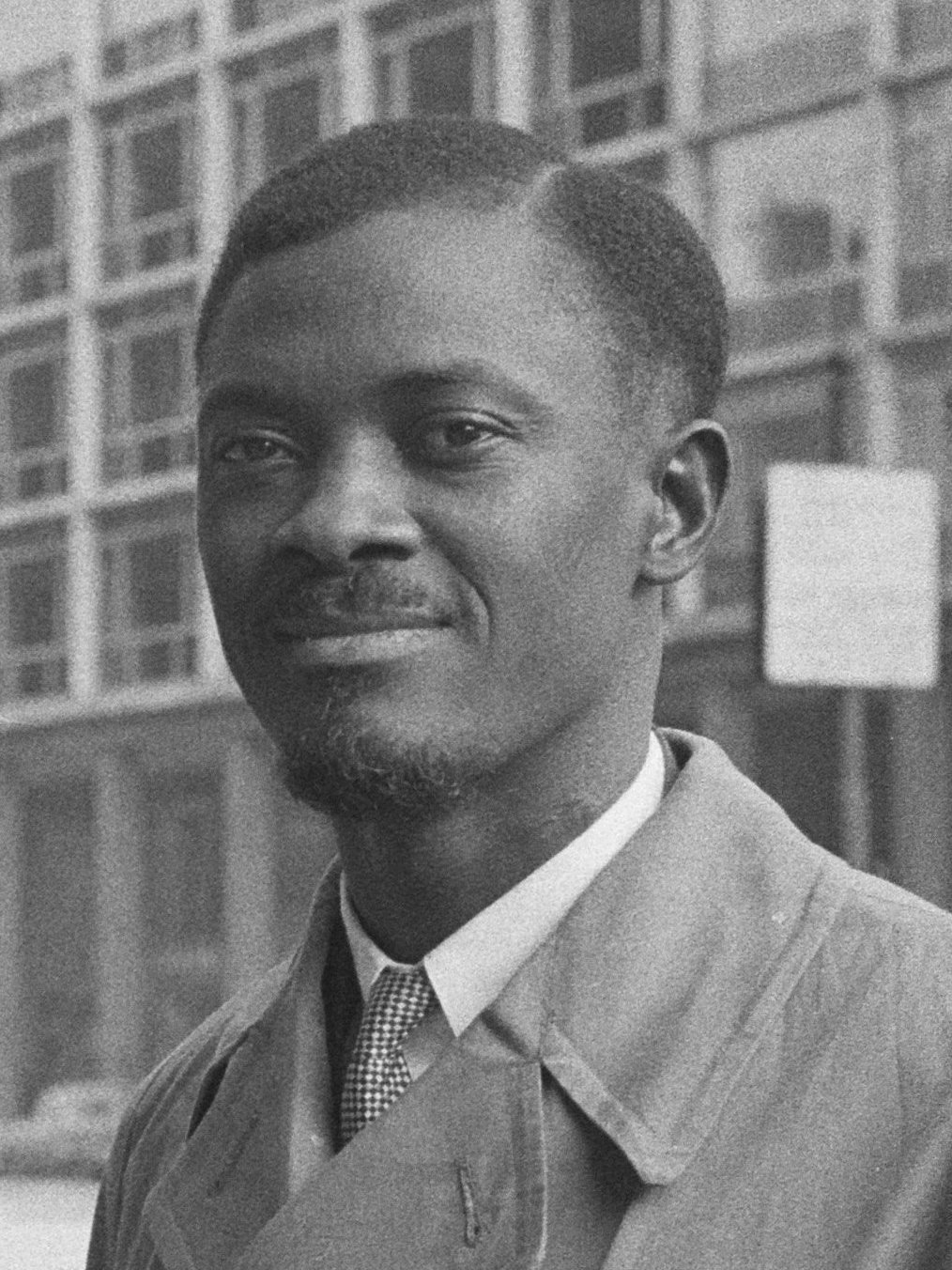
Congo Wins Independence and Lumumba Answers the King
A speech on independence day exposed what colonial rule had cost.
On 30 June 1960, foreign dignitaries gathered in Léopoldville to mark the transition of the Belgian Congo into an independent republic. King Baudouin of Belgium delivered an address praising the colonial administration and commending what he characterised as the genius of his ancestor Leopold II, glossing over the atrocities of the Congo Free State era. Baudouin urged the nascent state not to compromise its stability with hasty reforms and suggested that Congolese officials should continue turning to Belgium for guidance. Patrice Lumumba, who was not scheduled on the official programme, took the floor to deliver an unscheduled rejoinder.
Lumumba directly rejected the notion that independence was a benevolent concession bestowed by the colonial power. In front of the assembly and the international press, he proclaimed that sovereignty had been won through sustained, painful struggle. He recalled the harsh conditions, suffering, and force imposed under colonial rule, defining the anti-colonial campaign as a noble and indispensable effort to terminate that subjugation. The unexpected address, broadcast by radio, startled European observers and angered Belgian officials, who took it as an affront to Belgium and to the king.

Keep reading in Yester
Coming soon to the App Store
Keep following the story
Sources
- The Congo, Decolonization, and the Cold War, 1960-1965 (Office of the Historian, U.S. Department of State)
- Sixty-six years on: The promise of DRC independence remains unfulfilled (Al Jazeera)
- Sixty years since historic Lumumba speech launched Congo independence (Daily Monitor, AFP)
- Mixed reactions to Belgian apology (The New Humanitarian, IRIN)
- Patrice Lumumba
Image: Harry Pot for Anefo )