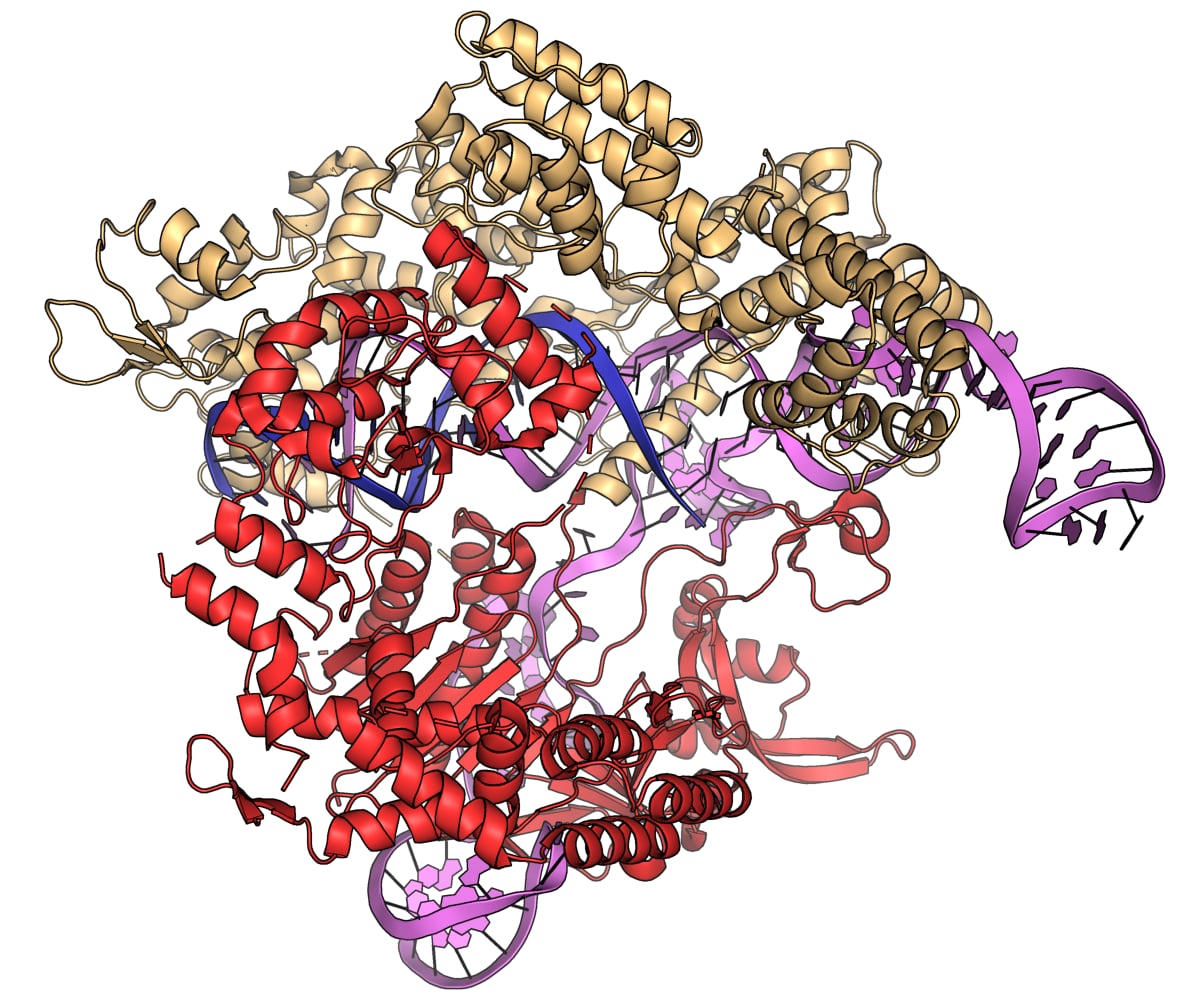
Britain Approves the First CRISPR Gene-Editing Therapy
Casgevy edits a patient’s own blood stem cells to treat sickle cell disease and beta thalassaemia.
In November 2023, the United Kingdom authorized exagamglogene autotemcel, commercially designated as Casgevy, marking a major milestone in modern molecular medicine. Developed jointly by Vertex Pharmaceuticals and Crispr Therapeutics, the therapeutic regimen was approved for eligible individuals aged twelve and older suffering from sickle cell disease or transfusion-dependent beta thalassemia. The British regulatory decision made the treatment the first approved therapy in the world to utilize CRISPR gene editing technology within clinical practice.
Both target disorders are inherited blood conditions that alter normal hemoglobin production and severely hinder oxygen delivery throughout the human body. Patients with sickle cell disease regularly endure acute, agonizing vaso-occlusive episodes, while those with transfusion-dependent beta thalassemia require frequent, lifelong blood transfusions to survive. The clinical authorization granted in the United Kingdom focused on individuals who were eligible for hematopoietic stem cell transplants but lacked an available, matched stem cell donor.

Keep reading in Yester
Coming soon to the App Store
Keep following the story
Sources
- MHRA authorises world-first gene therapy that aims to cure sickle-cell disease and transfusion-dependent beta-thalassemia (Medicines and Healthcare products Regulatory Agency)
- FDA Approves First Gene Therapies to Treat Patients with Sickle Cell Disease (US Food and Drug Administration)
- CASGEVY (US Food and Drug Administration)
- Casgevy (European Medicines Agency)
- Exagamglogene autotemcel for treating severe sickle cell disease in people 12 years and over, TA1044 (NICE)
- CASGEVY Gets Bahrain approval for treatment, marking it second country in the world (National Health Regulatory Authority, Bahrain, via GlobeNewswire)
- Exagamglogene autotemcel
Image: Deposition authors: Nishimasu, H., Ishitani, R., Nureki, O.; Visualization author: Synpath