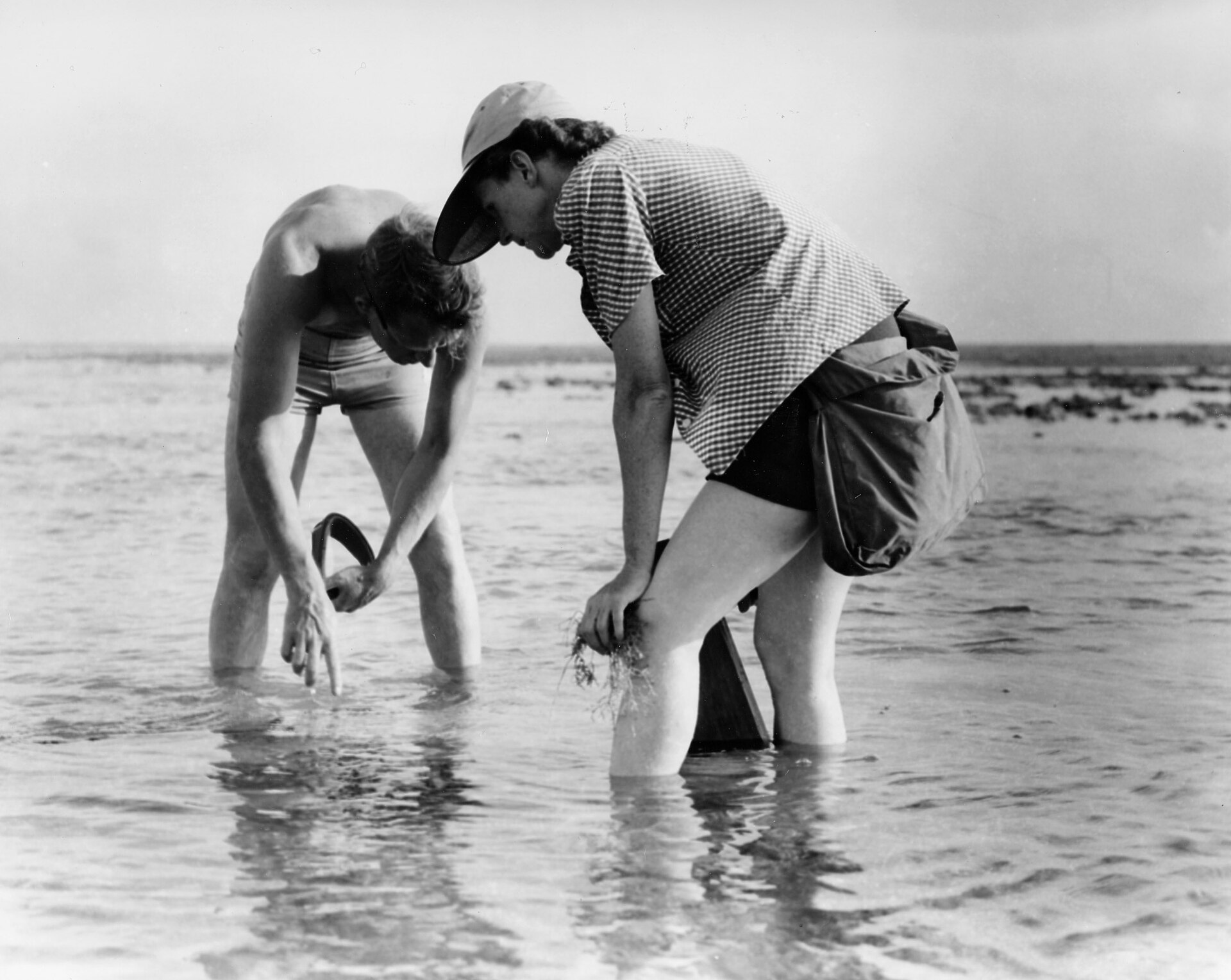
Silent Spring Brings Pesticides into Public Debate
Rachel Carson connected scientific evidence with an argument about the wider consequences of chemical use.
In September 1962, biologist and author Rachel Carson published Silent Spring, transforming an obscure technical dispute into a national controversy. Carson had followed the growing application of synthetic chemicals since the mid-1940s, when substances developed partly through military funding after World War II entered wide civilian use. Her specific project took shape following the United States Department of Agriculture's 1957 fire ant eradication campaign, which employed aerial spraying of DDT and other insecticides over millions of acres across southern states. After receiving a letter from her friend Olga Owens Huckins describing dead birds in Massachusetts following mosquito control operations, Carson undertook a four-year inquiry into chemical pest control.
Carson approached the project by examining scientific literature, consulting government researchers, and gathering incident reports of acute poisoning and ecological disruption. She identified a fundamental divide within the scientific establishment: researchers who discounted chemical hazards without definitive evidence, and those open to ecological risks who recommended methods like biological pest management. Carson collaborated with medical scientists such as Wilhelm Hueper of the National Cancer Institute, whose research classified several pesticides as carcinogens. Working through severe personal illnesses, including metastasized breast cancer discovered in late 1960, she completed the manuscript, which opened with a fictional fable warning of a blighted landscape devoid of bird song.

Keep reading in Yester
Coming soon to the App Store
Keep following the story



Sources
- Rachel Carson, Scientific Biographies (Science History Institute)
- Silent Spring (Environment & Society Portal, Rachel Carson Center, LMU Munich)
- Industrial and Agricultural Interests Fight Back (Rachel Carson Center virtual exhibition)
- The Personal Attacks on Rachel Carson as a Woman Scientist (Rachel Carson Center virtual exhibition)
- DDT Ban Takes Effect, press release December 31, 1972 (U.S. Environmental Protection Agency)
- A Science Odyssey: Silent Spring is published (PBS/WGBH)
- Silent Spring
Image: U.S. Fish and Wildlife Service