The Story of Chocolate Begins in the Upper Amazon
Residue in 5,300-year-old pots shows cacao was used in Ecuador long before the Maya.
Centuries before cacao became an elite beverage in the northern empires of Mesoamerica, indigenous communities in the Upper Amazon were already cultivating the tree. Archaeological discoveries in present-day southeastern Ecuador reveal that the Mayo-Chinchipe culture domesticated cacao around 3300 BC. Chemical analysis of ceramic vessels from the region identified three converging lines of evidence: starch grains unique to the cacao tree, traces of theobromine, and ancient DNA fragments matching the species. Rather than originating solely as a Mesoamerican creation, early human management of the crop emerged within South American river basins, gradually dispersing down along the Pacific coast.
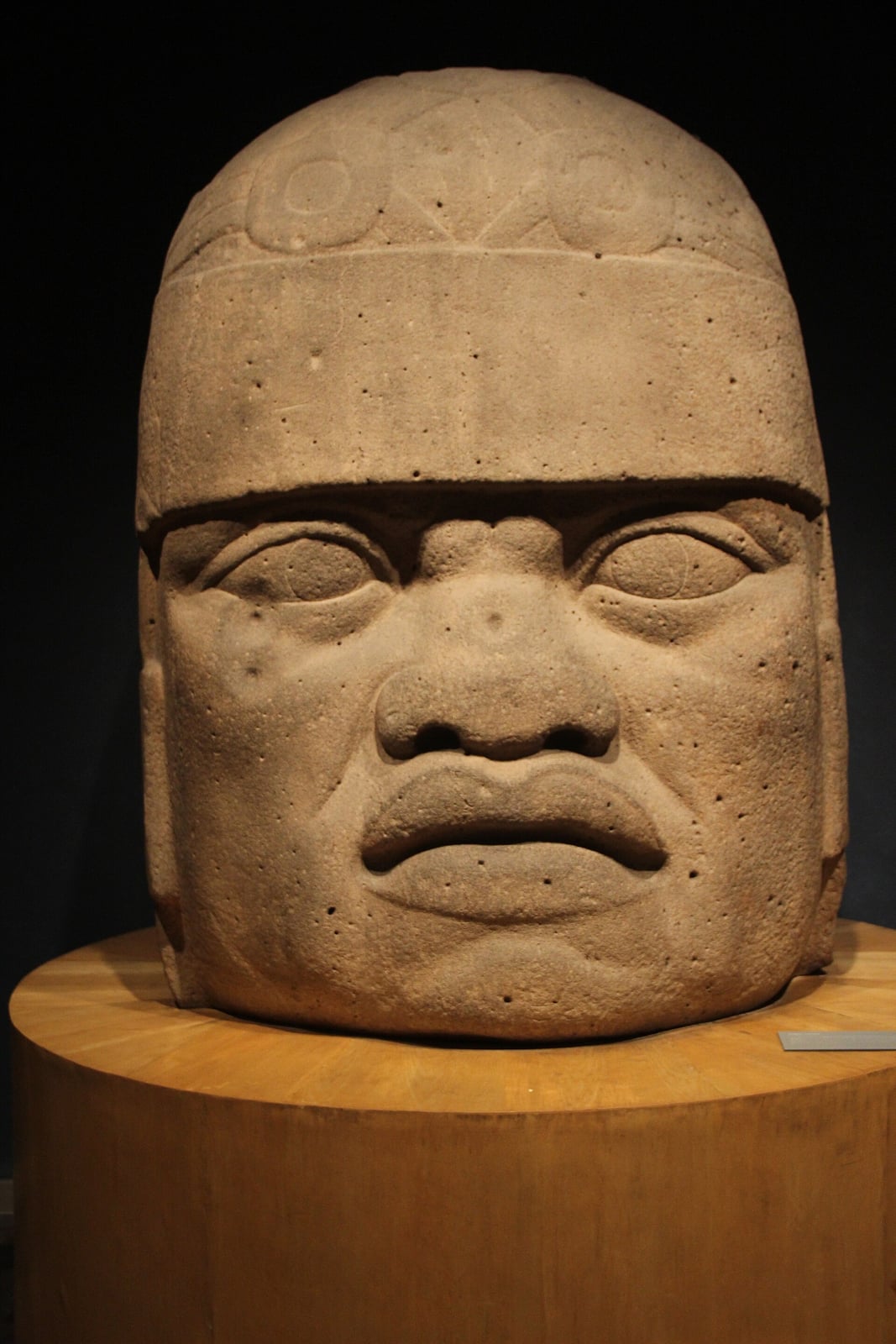
Following this initial domestication, cacao cultivation expanded into Mesoamerica, where local populations developed high-yielding varieties. On the Pacific coast of Chiapas, the Mokayan people prepared bitter, frothy cacao drinks by 1900 BC, while pre-Olmec groups along the Gulf Coast of Veracruz processed the crop by 1750 BC. Surviving decorated vessels from Puerto Escondido indicate that cacao served as a focal element of high-status gatherings during the second millennium BC. Later settlements associated with the olmec utilized cacao at major public rituals, though evidence indicates they may have fermented the sweet fruit pulp into an alcoholic beverage rather than consuming roasted seeds.

Keep reading in Yester
Coming soon to the App Store