The Olympics They Never Reached
A boycott made the Moscow Olympics a stage for Cold War protest. For athletes who stayed home, the political message came at an intensely personal cost.
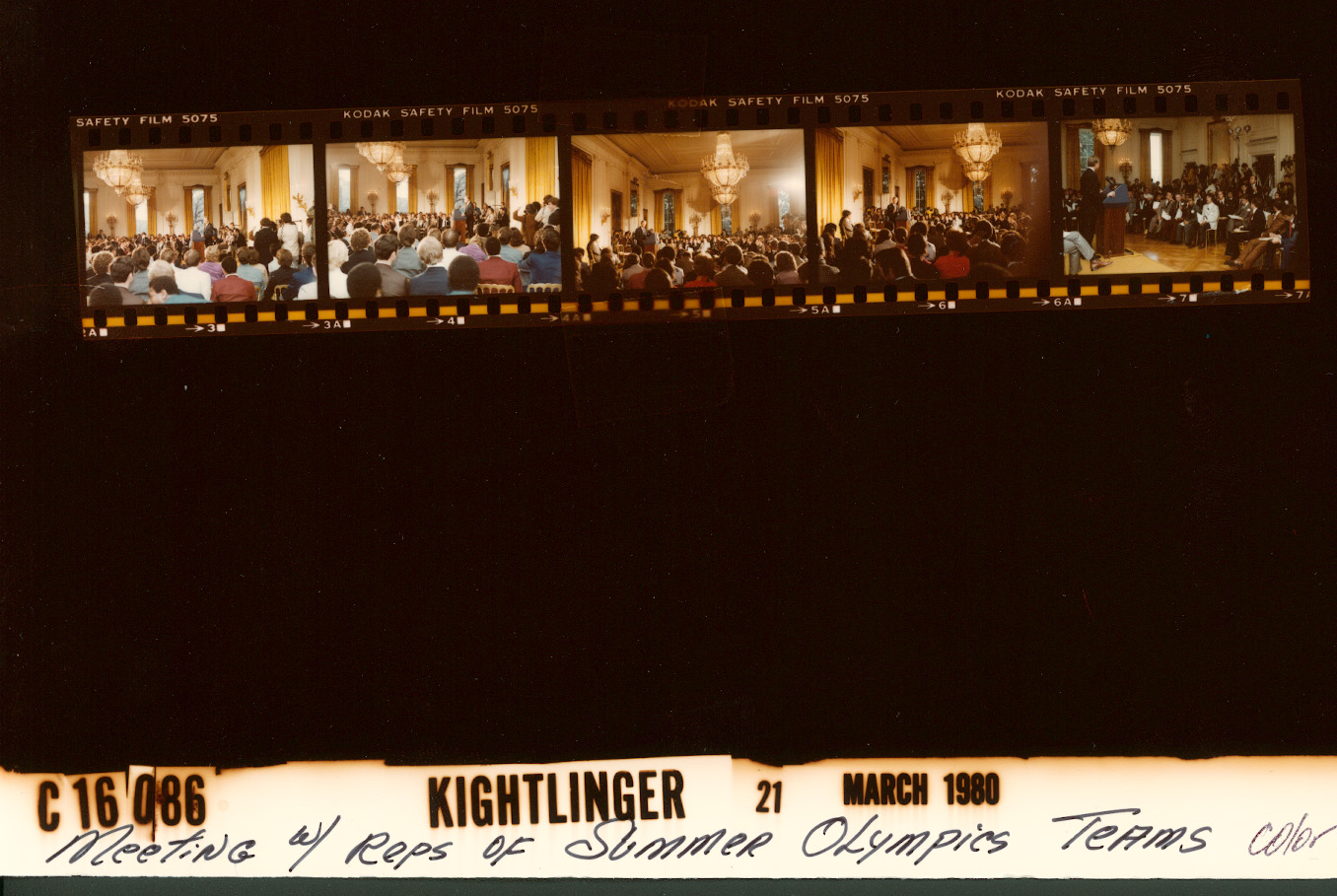
An athlete can spend years preparing for a competition and still lose the chance to reach the starting line for reasons unrelated to performance. That happened to members of the American Olympic team in 1980. The Summer Games were scheduled for Moscow, and the Soviet invasion of Afghanistan had made participation a matter of foreign policy. The arena they had worked toward became a place their country decided not to enter.
President Jimmy Carter pushed for a boycott after Soviet forces entered Afghanistan in December 1979. The intended message was that hosting a prestigious international festival should not proceed as though the invasion had no consequences. Olympic participation offered a visible form of pressure, alongside other measures. Its visibility was also what made the decision costly: the people most immediately deprived of something were the athletes.

Keep reading in Yester
Coming soon to the App Store
Keep following the story
Sources
- The Soviet Invasion of Afghanistan and the U.S. Response, 1978–1980 (U.S. Department of State, Office of the Historian)
- Foreign Relations of the United States, 1977–1980, Volume XIII, China, Document 296 (Office of the Historian)
- Foreign Relations of the United States, 1977–1980, Volume XXVII, Western Europe, Document 278 (Office of the Historian)
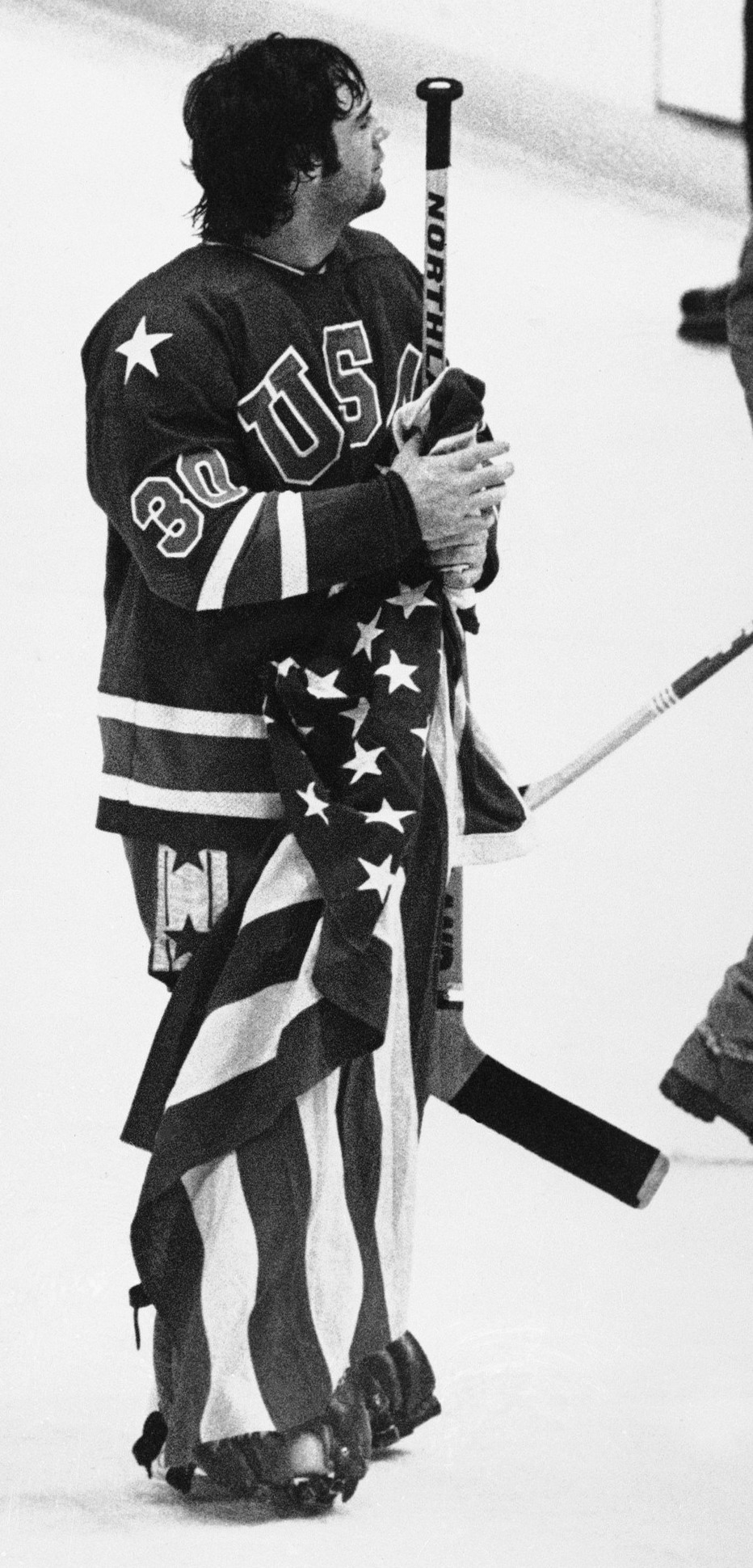
- U.S. hockey team beats the Soviets in the Miracle on Ice (HISTORY.com)
Image: President (1977-1981 : Carter). White House Staff Photographers. 1/20/1977-1/20/1981