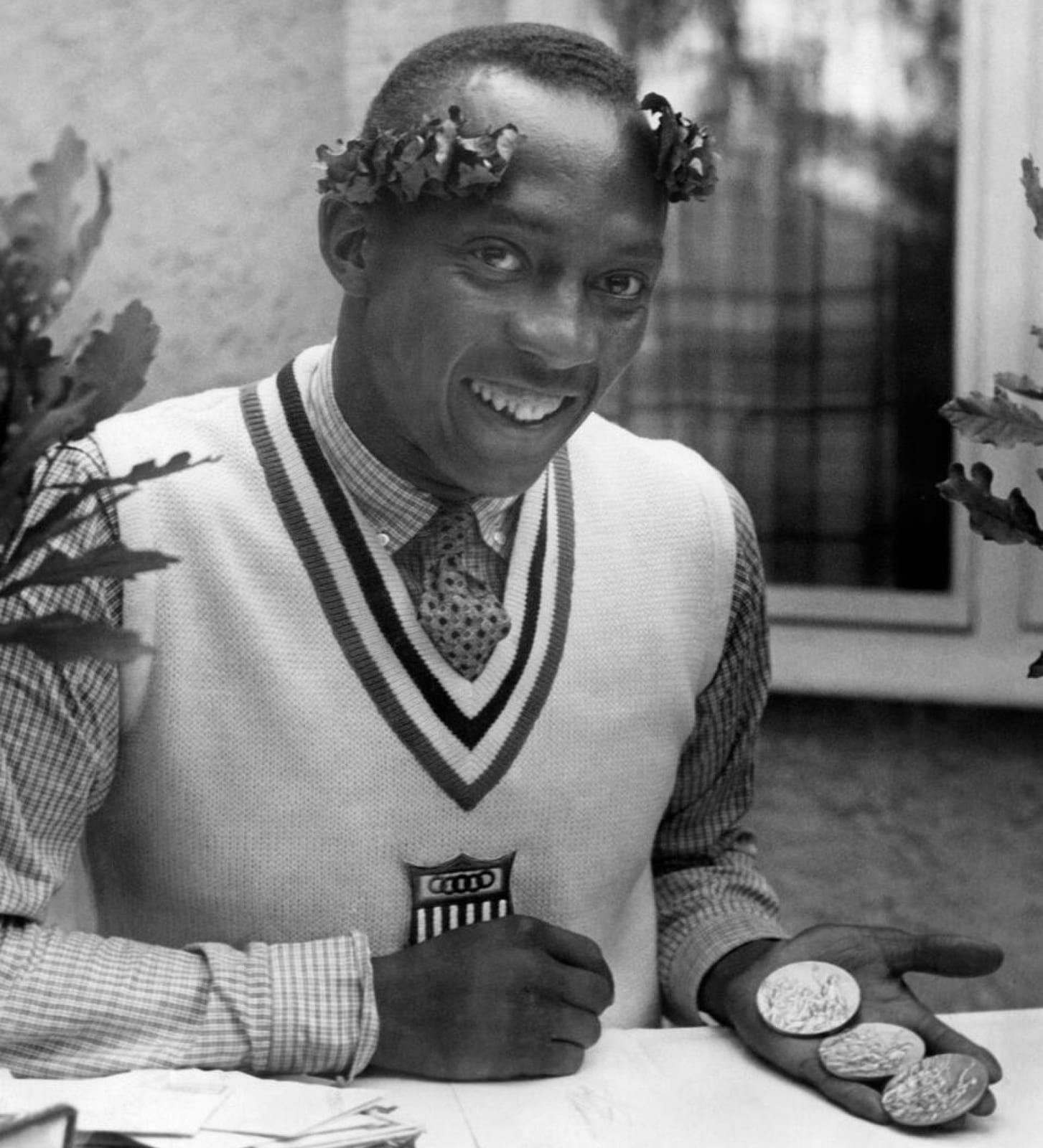
Four Gold Medals in Hitler’s Berlin
At the 1936 Berlin Olympics, Jesse Owens undermined Nazi claims of racial hierarchy by winning four gold medals in front of an international audience. Even so, his historic athletic triumphs on the track did not spare him from persistent segregation and inequality upon his return home.
Leading up to August 1936, Nazi Germany prepared to use the Berlin Olympics to project an attractive international image. Black American athletes arrived to compete in an environment shaped by racist ideology. Their very presence sparked debate over whether participating would challenge the host regime or merely help legitimize its propaganda spectacle.
In August 1936, Owens captured victories in both the 100-meter and 200-meter sprints. These performances were athletic triumphs before becoming symbols, yet winning inside that specific stadium carried an unavoidable political resonance. The sprint results directly contradicted official claims that racial hierarchy dictated human ability.

Keep reading in Yester
Coming soon to the App Store
Keep following the story

Sources
Image: International News Photos