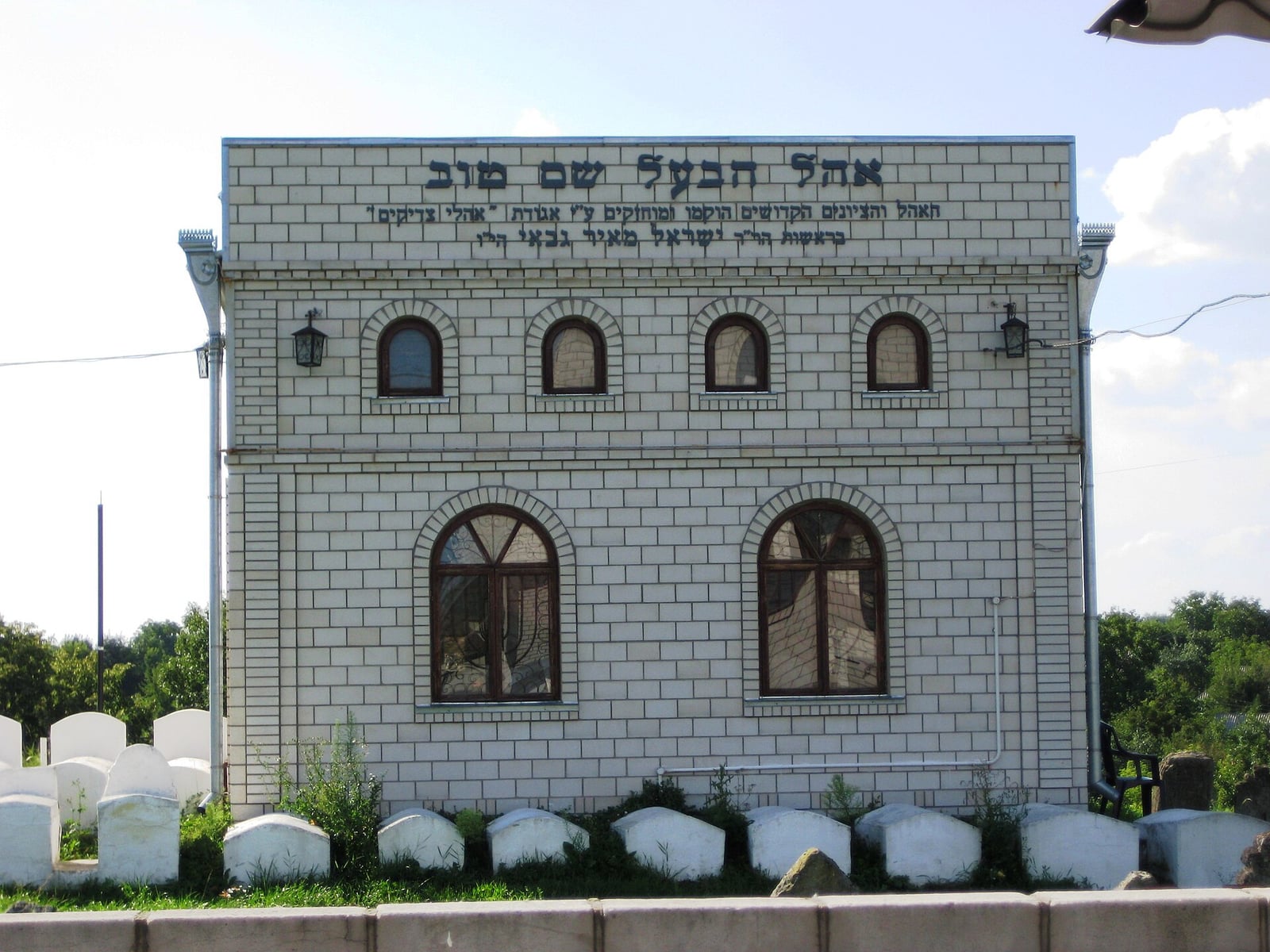
The Baal Shem Tov Inspires Hasidism
A teacher in the villages of Podolia made joyful prayer central to Jewish life.
Around 1740, a healer and mystic named Israel ben Eliezer settled in the Podolian town of Medzhybizh, within the Polish-Lithuanian Commonwealth. Known by the honorific title of Baal Shem Tov, meaning Master of the Good Name, he had previously lived in relative obscurity, working across regional villages while gaining a local following. His arrival in Medzhybizh established an enduring center for his activities, transforming his private circle of admirers into the beginnings of the movement remembered today as Hasidic Judaism.
Reliable contemporary documentation regarding the Baal Shem Tov remains scarce. Polish municipal and census records in Medzhybizh between 1740 and 1760 record a holy figure residing in the town, successively noting him as a kabbalist, a baal shem, and a baal shem doctor. These descriptions align with his reputation as a thaumaturge and healer who distributed remedies and mystical amulets. While later collections of devotion such as Shivhei haBesht recorded colorful biographical lore about his origins and youth, modern historians note that solid evidence for his early life is limited, with even his birth, placed by tradition around 1700 in the small fortress town of Okopy, known mainly from later accounts.

Keep reading in Yester
Coming soon to the App Store
Keep following the story
Sources
Image: Eliyahu (Eli)