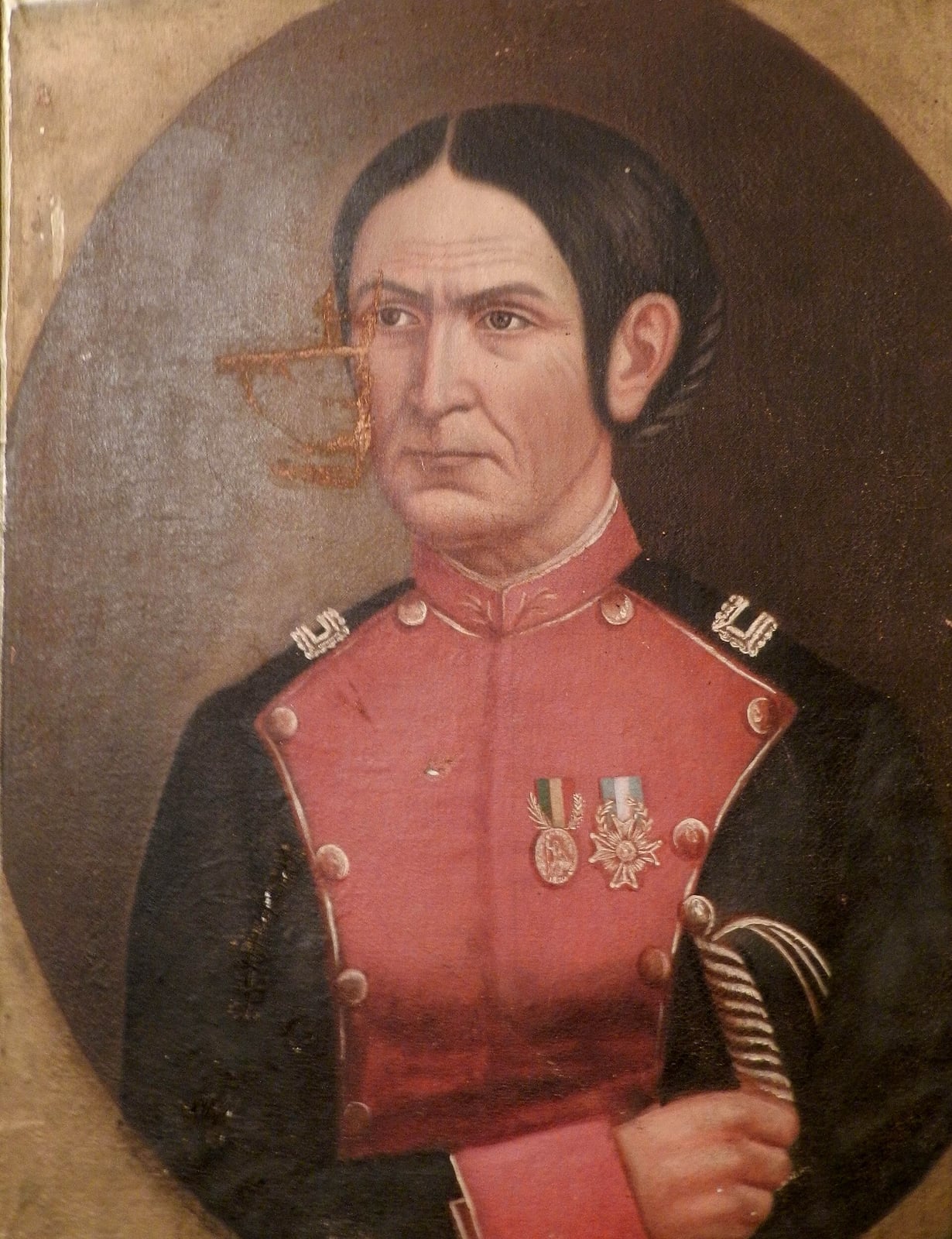
Juana Azurduy Fights Across the Independence Frontier
A guerrilla commander’s campaigns reveal the local struggles and heavy costs behind South American independence.
Juana Azurduy entered the South American wars of independence through the regional upheavals of Upper Peru, a territory within the Viceroyalty of the Rio de la Plata. Born in 1780 at Toroca, north of Potosi, according to Argentine government biographies, to a landowner and a mestiza mother from Chuquisaca, she learned Quechua and Aymara alongside Spanish. She married Manuel Ascencio Padilla in 1805, and together they joined the Chuquisaca Revolution of May 25, 1809. When royalist forces ousted the revolutionary administration, the couple took refuge in the rural republiquetas, independent footholds where local militias coordinated resistance against Spanish authority.
The conflict exposed the Padillas to immediate retaliation. After royalist forces confiscated their properties, the family endured multiple arrests and escapes. Joining the Army of the North under commanders sent from Buenos Aires, Azurduy mobilized indigenous fighters, servants, and women known as the Amazonas. During the retreat following the Battle of Huaqui in 1811, and again during the campaign under Manuel Belgrano in 1812 and 1813, her irregular forces protected regular troops. Her knowledge of Aymara and of local culture helped her win indigenous recruits to the patriot cause.

Keep reading in Yester
Coming soon to the App Store
Keep following the story
Sources
- Juana Azurduy de Padilla, Museo Casa Rosada (Presidencia de la Nación, Argentina)
- ¿Quién fue Juana Azurduy? (Ministerio de Cultura, Argentina.gob.ar)
- 12 de julio: Juana Azurduy, Museo Histórico Cornelio de Saavedra (Gobierno de la Ciudad de Buenos Aires)
- Juana Azurduy: Una libertadora olvidada (Radio Universidad de Chile)
- Juana Azurduy de Padilla
Image: Anonymous Unknown author