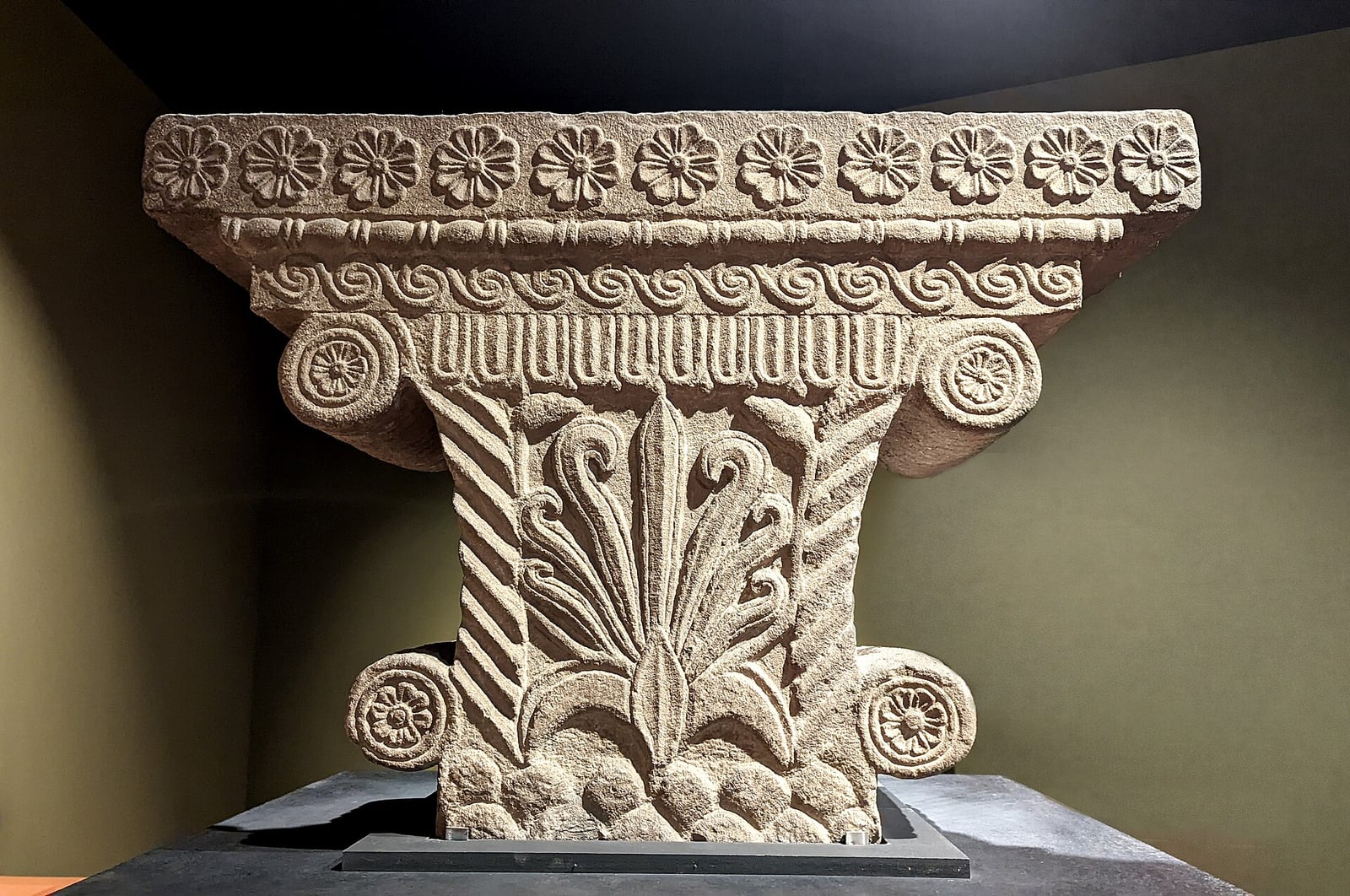
The Arthashastra Lays Out a Hard-Headed Art of Statecraft
A treatise credited to Kautilya advises a king on spies, taxes, trade and war.
In 1905, a Sanskrit manuscript written on palm leaves arrived at the newly opened Mysore Oriental Library, presented by a visitor from Thanjavur. The library specialist Rudrapatna Shamasastry recognized the text as the long-lost Arthashastra, an ancient Indian compendium on statecraft that had vanished from circulation around the twelfth century. Shamasastry transcribed the work, serialized an initial translation, and brought out the first complete English volume in 1915. Later discoveries, including a Malayalam manuscript preserved in Munich and birch bark fragments uncovered in South and Central Asia, demonstrated that the treatise had once commanded attention across ancient Buddhist and Hindu intellectual centers.
Arranged across fifteen books, 150 chapters, and 180 numbered topics, the surviving text comprises roughly 5,300 prose sentences, often punctuated by concluding verses. The term artha carries wide connotations encompassing livelihood, material wealth, and political power, making the treatise an expansive guide to governance. Rather than limiting itself to abstract administrative theory, it explores court procedures, legal codes, the management of state workshops and mines, market regulations, and the oversight of agriculture and public forestry. In matters of warfare and external diplomacy, the text balances military tactics with realistic evaluations of alliances and peace agreements.

Keep reading in Yester
Coming soon to the App Store
Keep following the story
Sources
Image: Pritha For Heritage