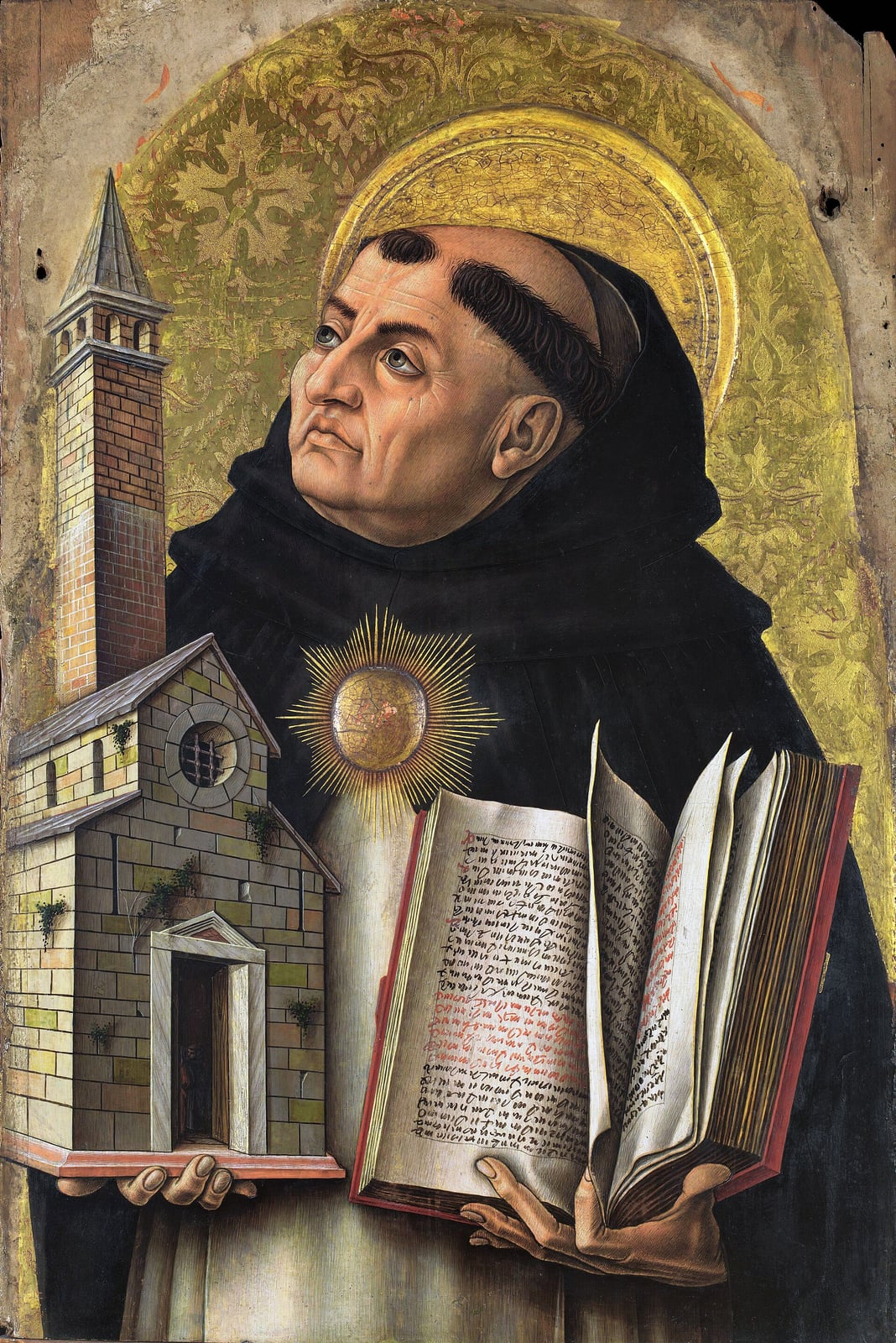
Thomas Aquinas Begins the Summa Theologiae
A Dominican friar set out to join Aristotle’s philosophy with Christian theology.
While teaching at the Dominican provincial school of Santa Sabina in Rome, the scholastic theologian Thomas Aquinas began composing his monumental compendium, the Summa Theologiae. Conceived initially as an instructional text suited to beginning students, the work expanded into an exhaustive examination of Christian doctrine. Written during the pontificate of Clement IV after 1265, the composition followed Aquinas's earlier Summa contra Gentiles but adopted a much broader and more systematic architecture, aiming to synthesize Catholic dogma with the logical frameworks of Aristotelian philosophy.
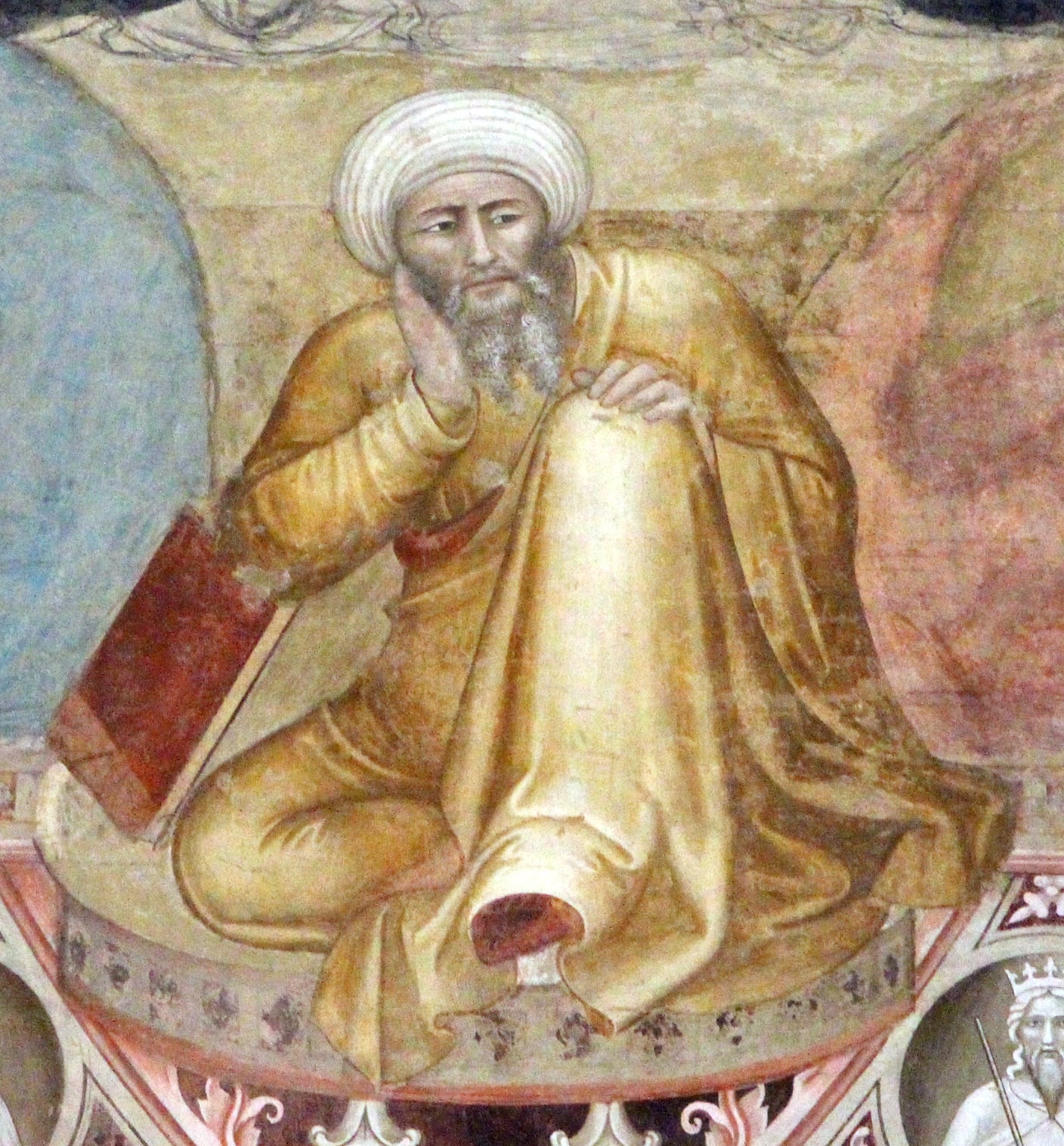
The intellectual structure of the Summa mirrors a grand philosophical cycle, tracing the procession of the material universe from God, the emergence and purpose of humanity, and the eventual return of creation back to the divine. This massive enterprise is organized into three principal divisions, encompassing more than six hundred questions, counting a later supplement, that further split into more than three thousand specific articles. Aquinas engaged closely with Aristotle's interpreters, including the Andalusian commentator Averroes, whose theory of a single intellect shared by all humans he rejected in the Summa. Rather than asserting dogma directly, each article evaluates differing perspectives through disciplined scholastic debate.

Keep reading in Yester
Coming soon to the App Store
Keep following the story
Sources
Image: Carlo Crivelli