Afghanistan Gains Control of Its Foreign Relations
A short war and negotiated settlement changed the relationship with British India.
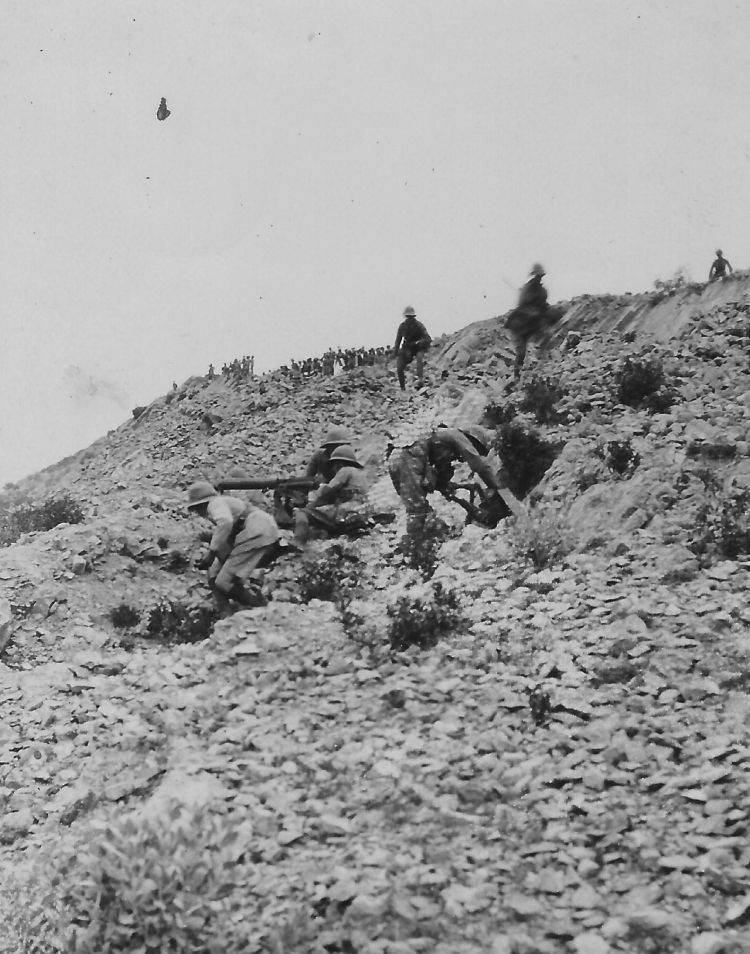
On 3 May 1919, Afghan troops crossed the border into British India at the western end of the Khyber Pass and seized the frontier town of Bagh. The newly crowned Emir of Afghanistan, Amanullah Khan, initiated the conflict after rising to power in Kabul following the assassination of his father, Habibullah Khan, in February of that year. Facing domestic suspicion over his succession and wishing to unite conservative and religious factions, Amanullah proclaimed a holy war and sought to cast off the restrictions imposed by Britain under the nineteenth-century Treaty of Gandamak, which had placed Afghan foreign policy under British supervision in exchange for an imperial subsidy.
The Afghan military plan envisioned a three-pronged advance across the border, targeting Peshawar through the Khyber, the Kurram and Waziristan regions, and Balochistan. Although intelligence gathering in British India had detected warnings of an impending attack, colonial authorities were caught off guard when the assault occurred. British and Indian forces, along with local populations, were already experiencing significant political unrest in India during the spring of 1919, while the armed forces were undergoing widespread demobilisation following the conclusion of the First World War.

Keep reading in Yester
Coming soon to the App Store
Keep following the story
Sources
Image: Sergeant EW Macro