
Al-Razi Distinguishes Smallpox from Measles
Clinical descriptions helped physicians compare diseases that could look similar.
During the Abbasid era, the Persian physician Muhammad ibn Zakariya al-Razi directed major hospitals in Ray and Baghdad. Clinical medicine at the time relied heavily on classical Greek authorities, but al-Razi argued that medical practice required independent observation and critical evaluation of received doctrine. When practical clinical findings conflicted with ancient teachings, he gave precedence to recorded hospital cases over inherited theoretical claims, regularly testing traditional diagnoses against direct patient observations.
This method proved decisive in al-Razi's study of eruptive fevers, presented in his treatise Kitab al-Judari wa l-hasba. His book, alongside a separate work by Thabit ibn Qurra, is among the earliest surviving works to establish a systematic clinical distinction between smallpox and measles. Although late antique authors writing in Medieval Greek and Syriac may have previously distinguished these illnesses, ancient Greek authorities lacked an explicit identification of smallpox. Al-Razi assembled clinical descriptions to help practitioners differentiate two conditions that produced confusingly similar feverish rashes.

Keep reading in Yester
Coming soon to the App Store
Keep following the story

Sources
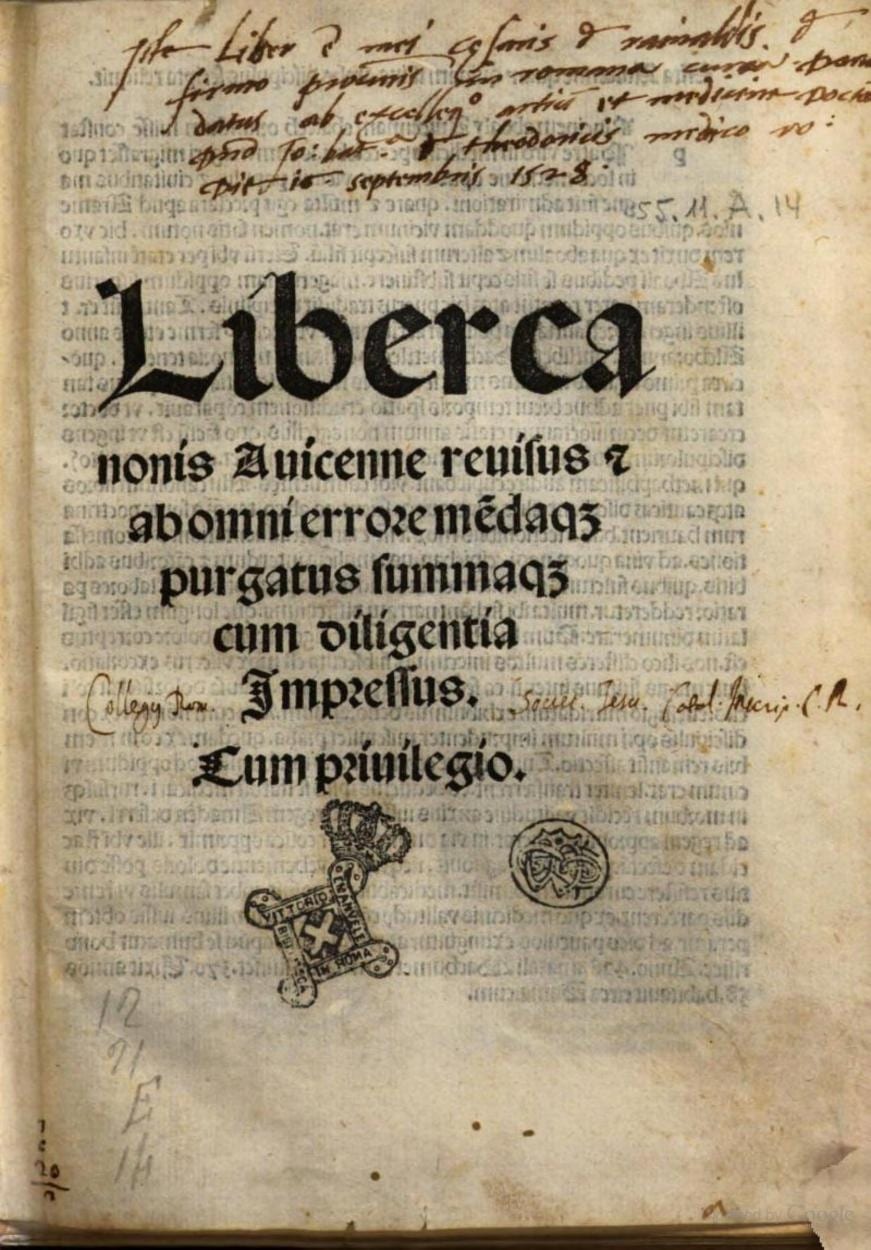
Image: Gerard of Cremona