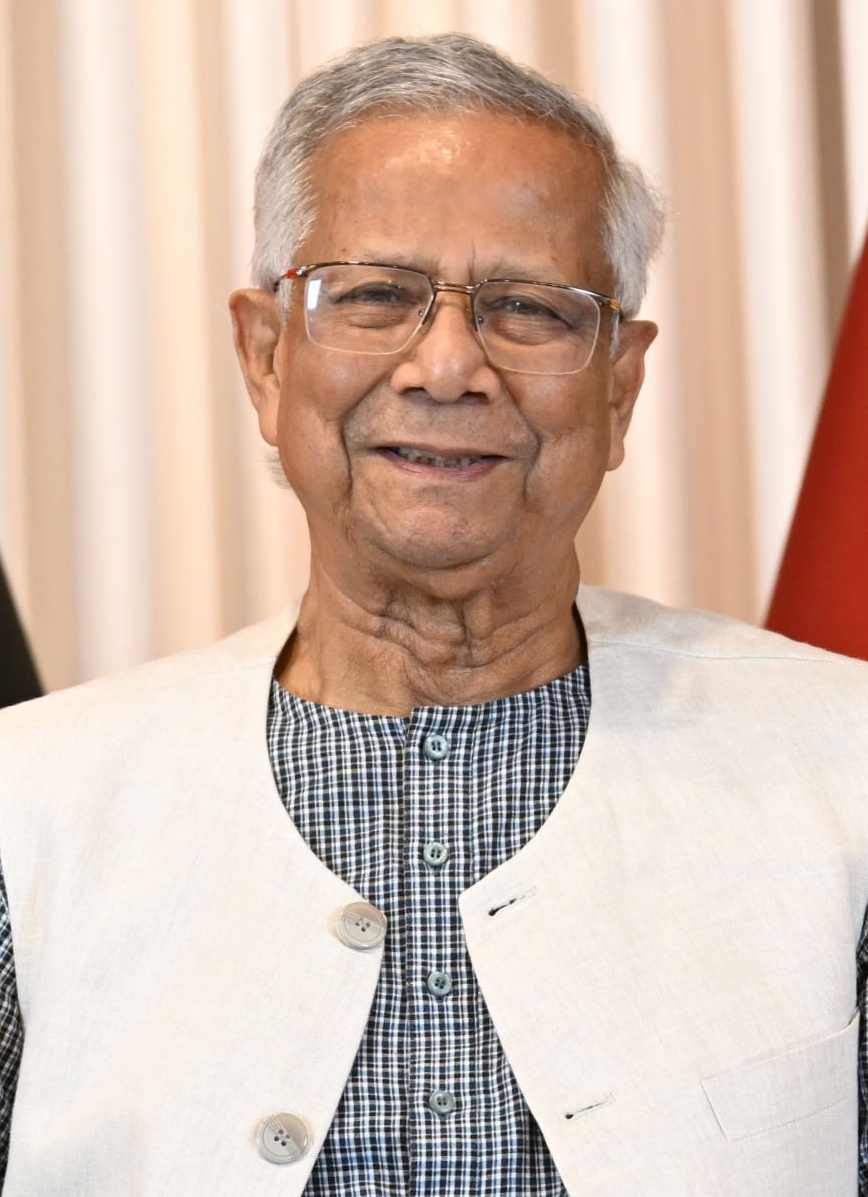
Muhammad Yunus and Grameen Bank Win the Nobel Peace Prize
A Bangladeshi economist was honored for small loans to the very poor.
In October 2006, the Norwegian Nobel Committee announced that the Nobel Peace Prize would be awarded jointly to Bangladeshi economist Muhammad Yunus and Grameen Bank. The decision recognized their efforts to advance economic and social development from below through the mechanism of microcredit. The prize, divided into two equal parts, recognized decades of practical work focused on lending tiny sums of money to people excluded from traditional banking.
Yunus's path to microfinance began in the wake of the devastating 1974 famine in Bangladesh. While serving as head of the economics department at Chittagong University, he observed the acute economic traps faced by destitute villagers near the university campus. In 1976, he discovered that women producing bamboo furniture were forced into cycles of debt by local lenders who demanded extortionate terms. Yunus lent a total of twenty-seven dollars from his own pocket to forty-two villagers caught by these lenders, telling them to repay when they could, and the results suggested that modest capital could allow the working poor to retain their earnings.

Keep reading in Yester
Coming soon to the App Store
Keep following the story


Sources
- The Nobel Peace Prize 2006, Press release (NobelPrize.org)
- Award ceremony speech, Nobel Peace Prize 2006 (NobelPrize.org)
- Muhammad Yunus, Nobel Lecture (NobelPrize.org)
- Muhammad Yunus, Biographical (NobelPrize.org)
- Who is Muhammad Yunus, the new leader of Bangladesh's interim government? (The Guardian)
- Muhammad Yunus sworn in as interim leader of Bangladesh (The Guardian)
- Bangladesh's new Prime Minister Tarique Rahman is sworn in (AP News)
- Muhammad Yunus
Image: Press Information Department