Russian Drillers Reach a Lake Sealed Under Antarctic Ice
After decades of drilling, a team broke through 3,769 metres of ice into Lake Vostok.
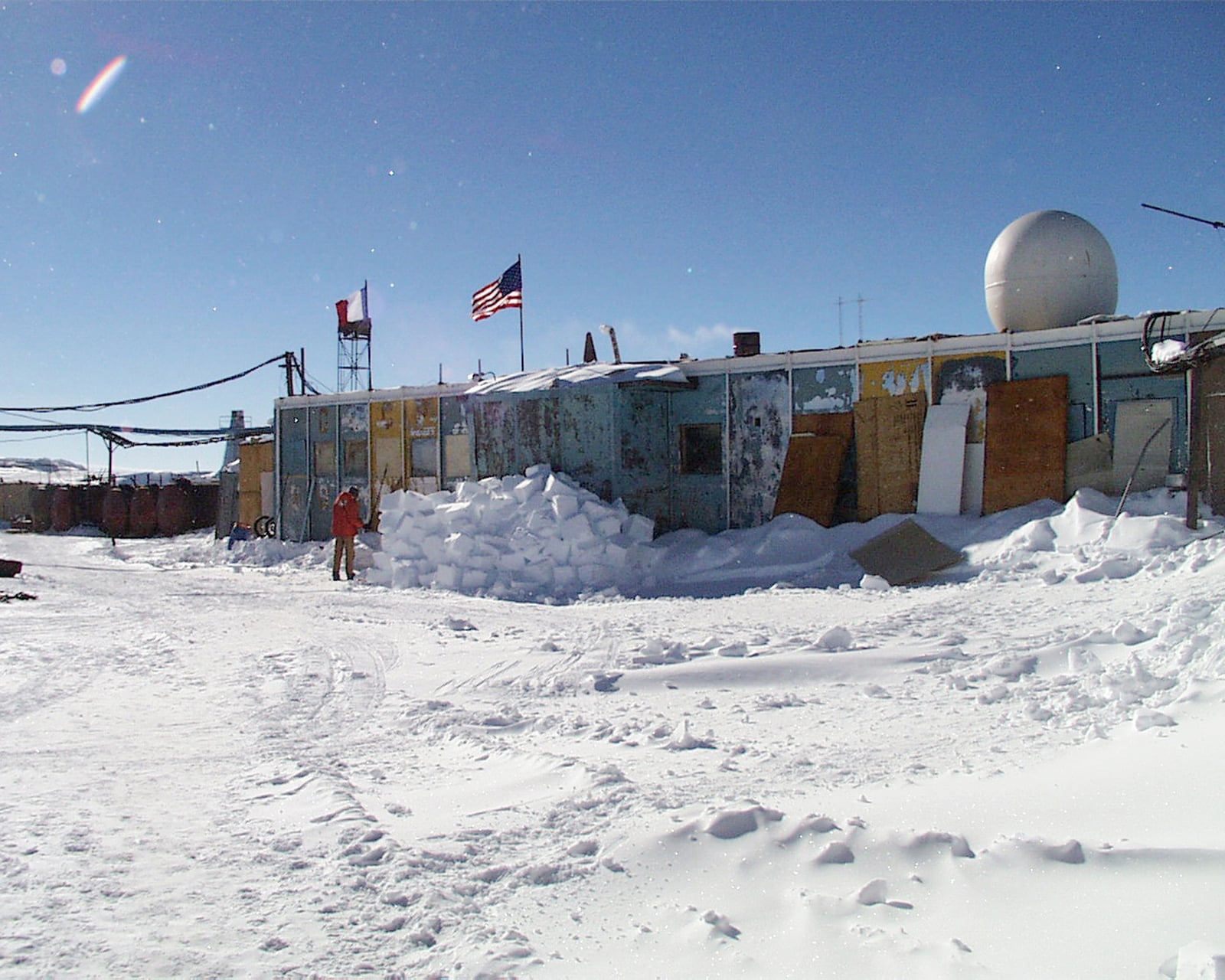
At Vostok Station, an inland research base situated high on the central East Antarctic Ice Sheet, a Russian drilling team breached the underside of the continental ice cap in February 2012. Beneath more than 3,700 metres of solid ice lay Lake Vostok, a vast expanse of freshwater sealed off from the atmosphere. By reaching the liquid surface, the expedition completed an effort that had extended across decades, transforming an environment once known primarily for extreme surface cold into a testing ground for subglacial science.
The presence of liquid water deep under the ice sheet had long been considered theoretically possible. In the late nineteenth century, Peter Kropotkin proposed that intense pressure from overriding ice could depress its melting point enough to generate water at the bedrock. Decades later, Soviet expeditions in 1959 and 1964 conducted seismic surveys across the polar plateau, where geographer Andrey Kapitsa noted anomalous readings. Airborne radar surveys by British scientists in the 1970s and subsequent satellite radar data analysed by J. P. Ridley confirmed the presence of a massive subglacial lake, which was mapped in detail by joint Russian and British teams during the 1990s.

Keep reading in Yester
Coming soon to the App Store
Keep following the story
Sources
- Lake Vostok drilling in Antarctic 'running out of time' (BBC News, 2011)
- Russians drill into untouched lake miles below Antarctica's surface (The Washington Post, 2012)
- 'Too soon' to confirm success of Antarctic lake drilling (Nature News, 2012)
- New Type of Bacteria Found in Buried Antarctic Lake (Live Science, 2013)
- Claims of Lake Vostok fish get frosty response (Nature News, 2013)
- Lake Vostok
Image: NSF/Josh Landis, employee 1999-2001