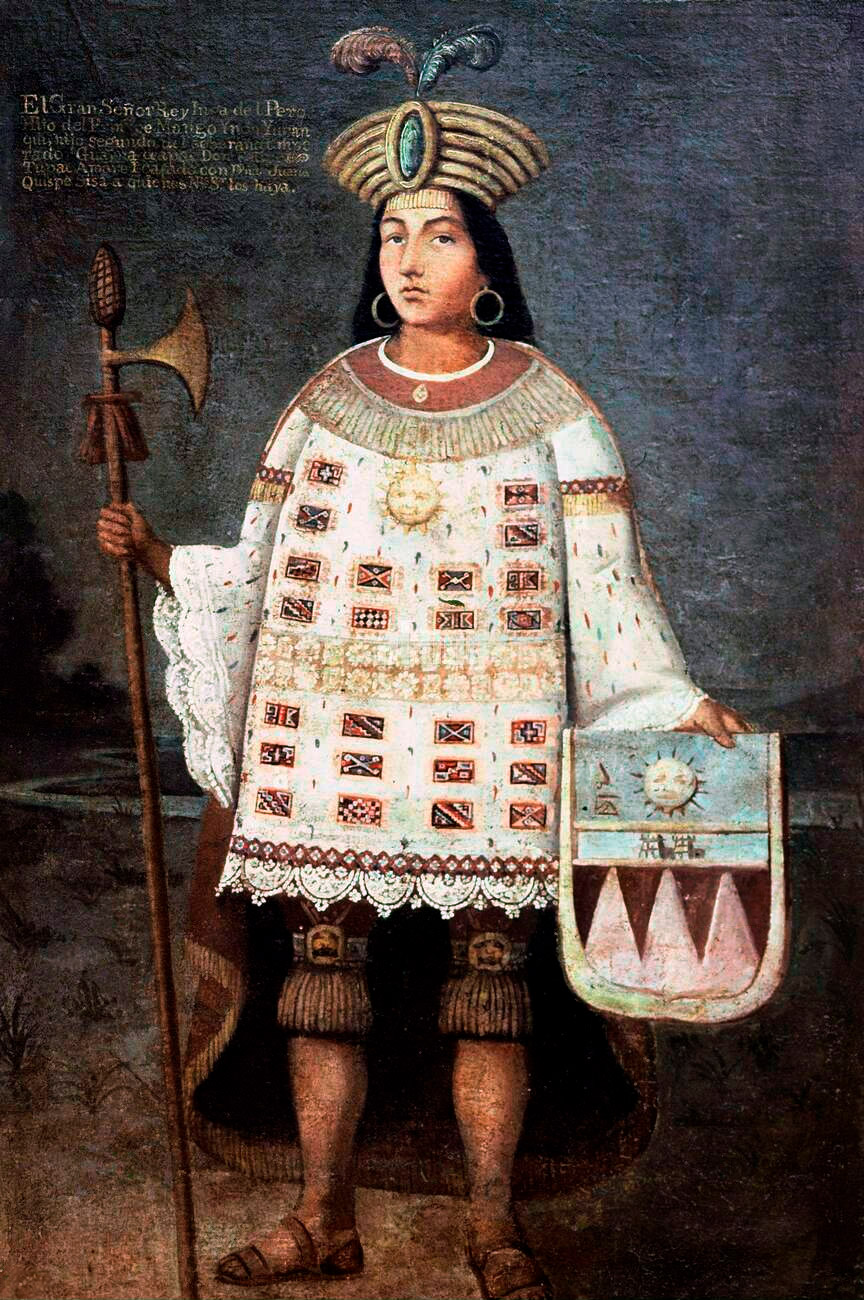
The Last Inca State Falls at Vilcabamba
Spanish forces captured Túpac Amaru, the last ruler of the Inca in exile.
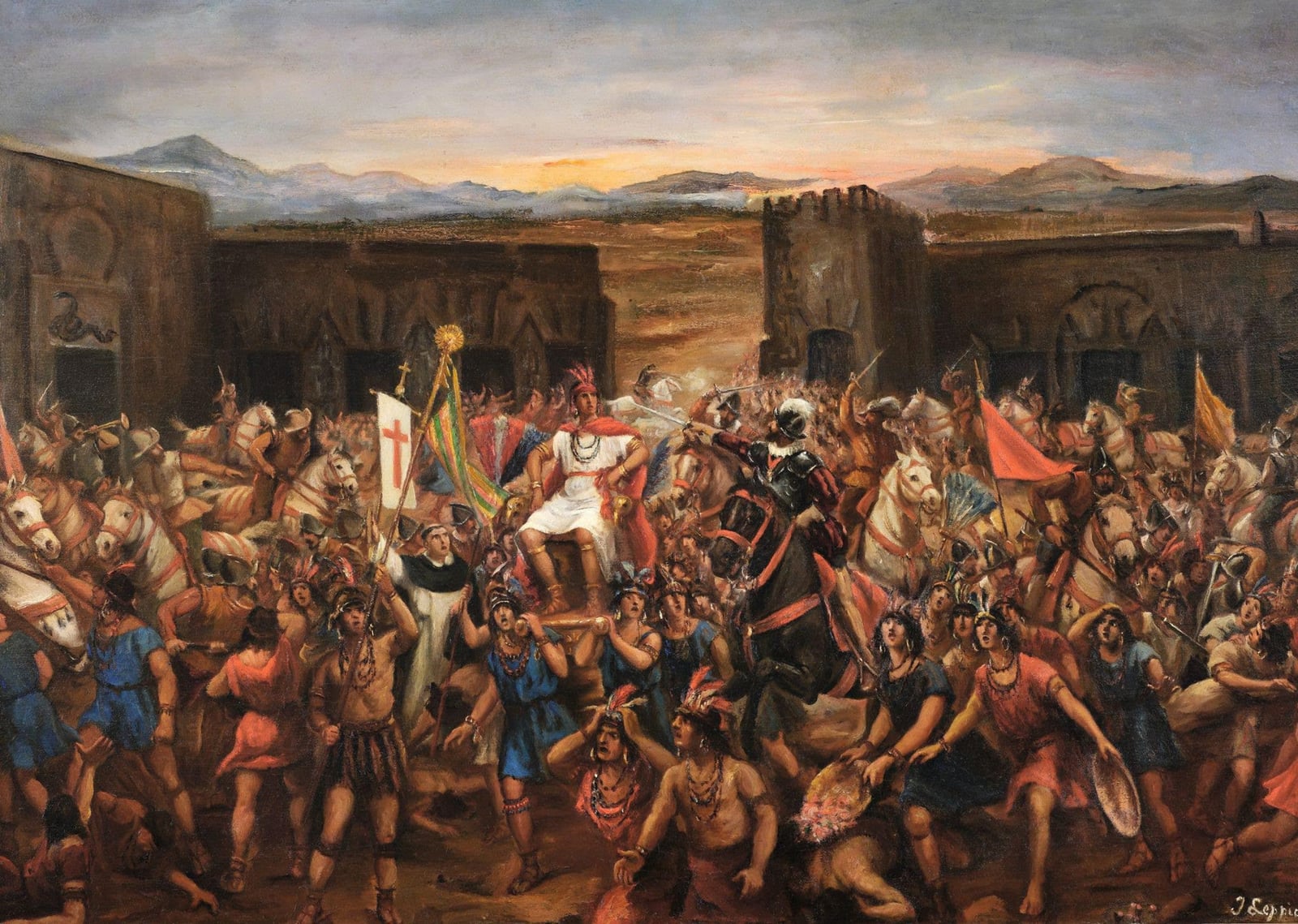
In 1537, Manco Inca Yupanqui established an independent realm in the forested, mountainous territory of Vilcabamba, located northwest of Cusco. Manco, a son of the ruler Huayna Capac, had previously been installed as a cooperative leader by Spanish conquistadors led by Francisco Pizarro. After suffering imprisonment and abuse at the hands of Pizarro's brothers in Cusco, Manco escaped, assembled an army reported by chroniclers to number around 100,000 warriors, and besieged Cusco in 1536. When Spanish relief arrived and the defensive position at the fortress of Ollantaytambo became untenable, Manco withdrew his followers beyond the Andean highlands to create a rump state that preserved Inca authority.
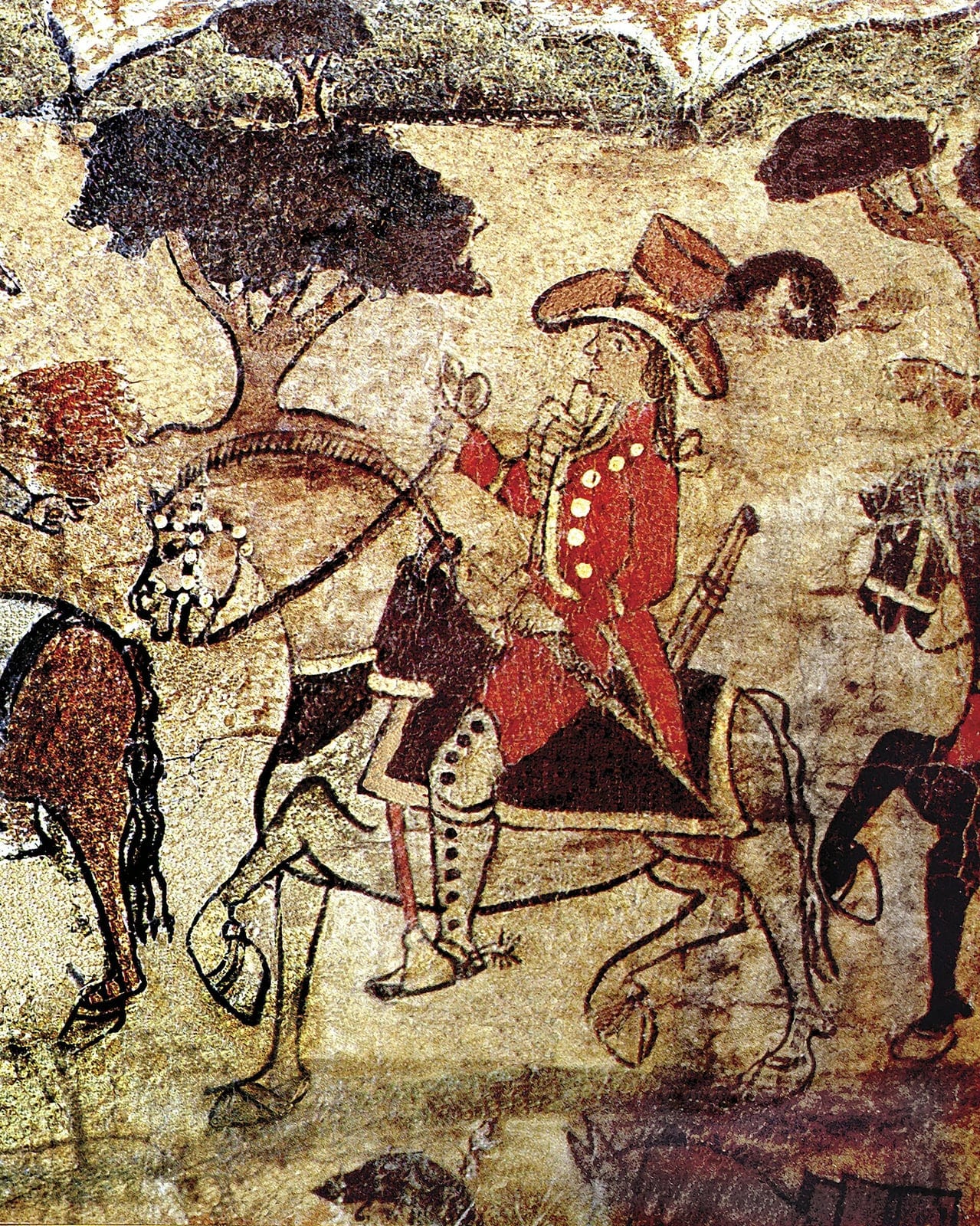
From Vilcabamba, Manco continued to wage guerrilla campaigns against the Spanish and their indigenous allies, notably the Wankas. The new state adapted to European methods of warfare, absorbing captured horses, armor, and firearms. By 1538, Manco was documented riding a horse in combat alongside other Inca nobles, and captured Europeans were compelled to refine gunpowder for his forces. Although chroniclers noted that Incan arquebusiers initially struggled with misfires, dissident Spanish soldiers who took refuge in Vilcabamba trained the defenders, narrowing the technological divide over the following decades.

Keep reading in Yester
Coming soon to the App Store
Keep following the story
Sources
- En los umbrales de la Instrucción de Titu Cusi Yupanqui, Marguerite Cattan (Histórica, Pontificia Universidad Católica del Perú, 2011)
- Voices from Vilcabamba, Bauer, Halac-Higashimori and Cantarutti, sample chapter (University Press of Colorado)
- Review of Voices from Vilcabamba (H-Net Reviews)
- Virrey Don Andrés Hurtado de Mendoza recibe a Sayri Túpac Inca (Biblioteca Virtual Miguel de Cervantes)
- Túpac Amaru (c. 1554-1572), Encyclopedia of Latin American History and Culture (Encyclopedia.com)
- Neo-Inca State
Image: Cuzco School / Unidentified painter