The Strongest Earthquake Ever Recorded Strikes Chile
A magnitude 9.5 quake sent a tsunami across the Pacific to Hawaii and Japan.
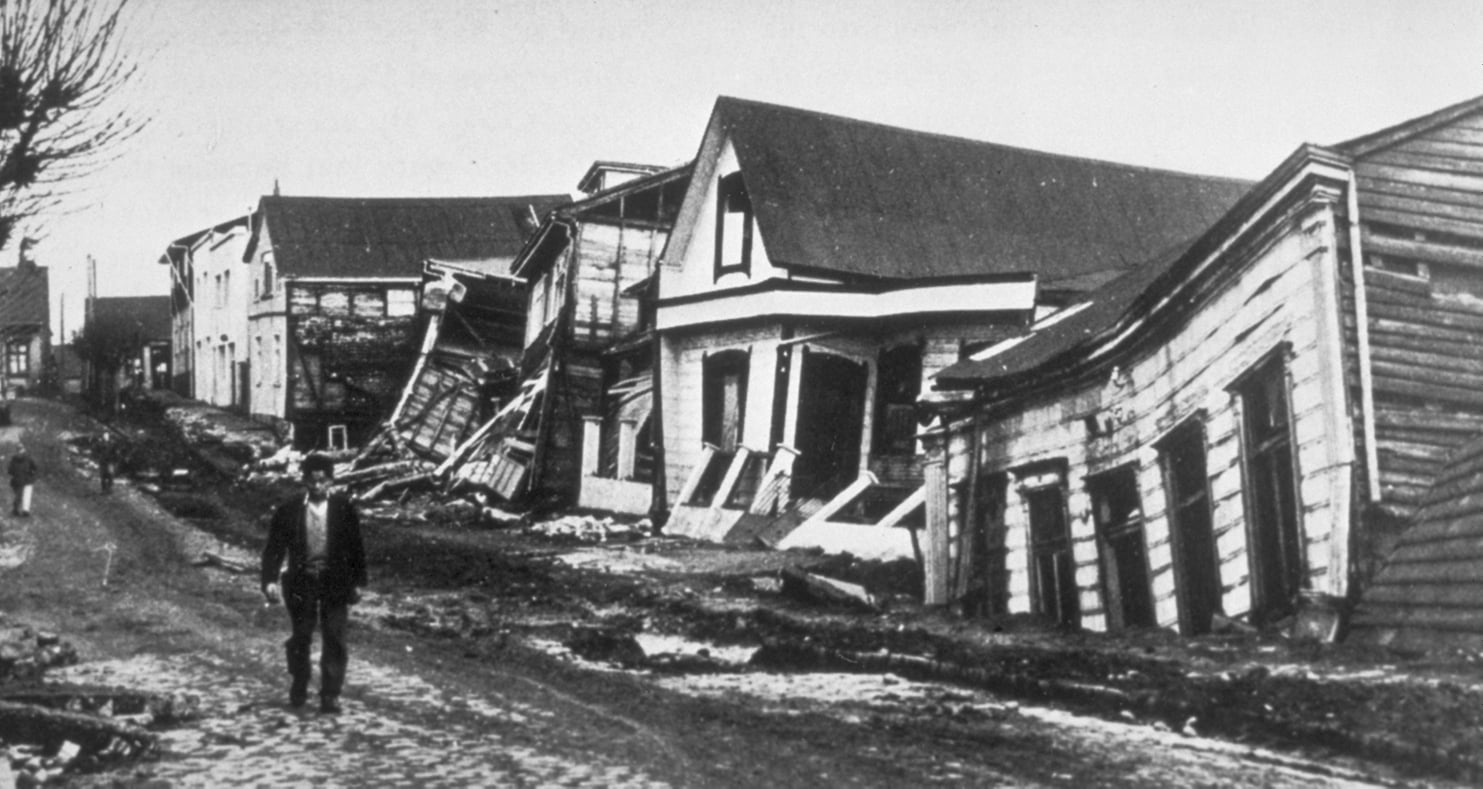
On the afternoon of 22 May 1960, a megathrust earthquake struck southern Chile near Lumaco, approximately 570 kilometres south of Santiago. Most scientific assessments rate the event between magnitude 9.4 and 9.6 on the moment magnitude scale, making it the most powerful earthquake ever recorded. The primary shock lasted roughly ten minutes, capping a sequence of strong foreshocks that had begun the previous day near Curanilahue and Concepción. The geological rupture extended along the subduction zone between the Nazca and South American plates for approximately 800 kilometres, running from the Arauco Peninsula south past the Chiloé Archipelago.
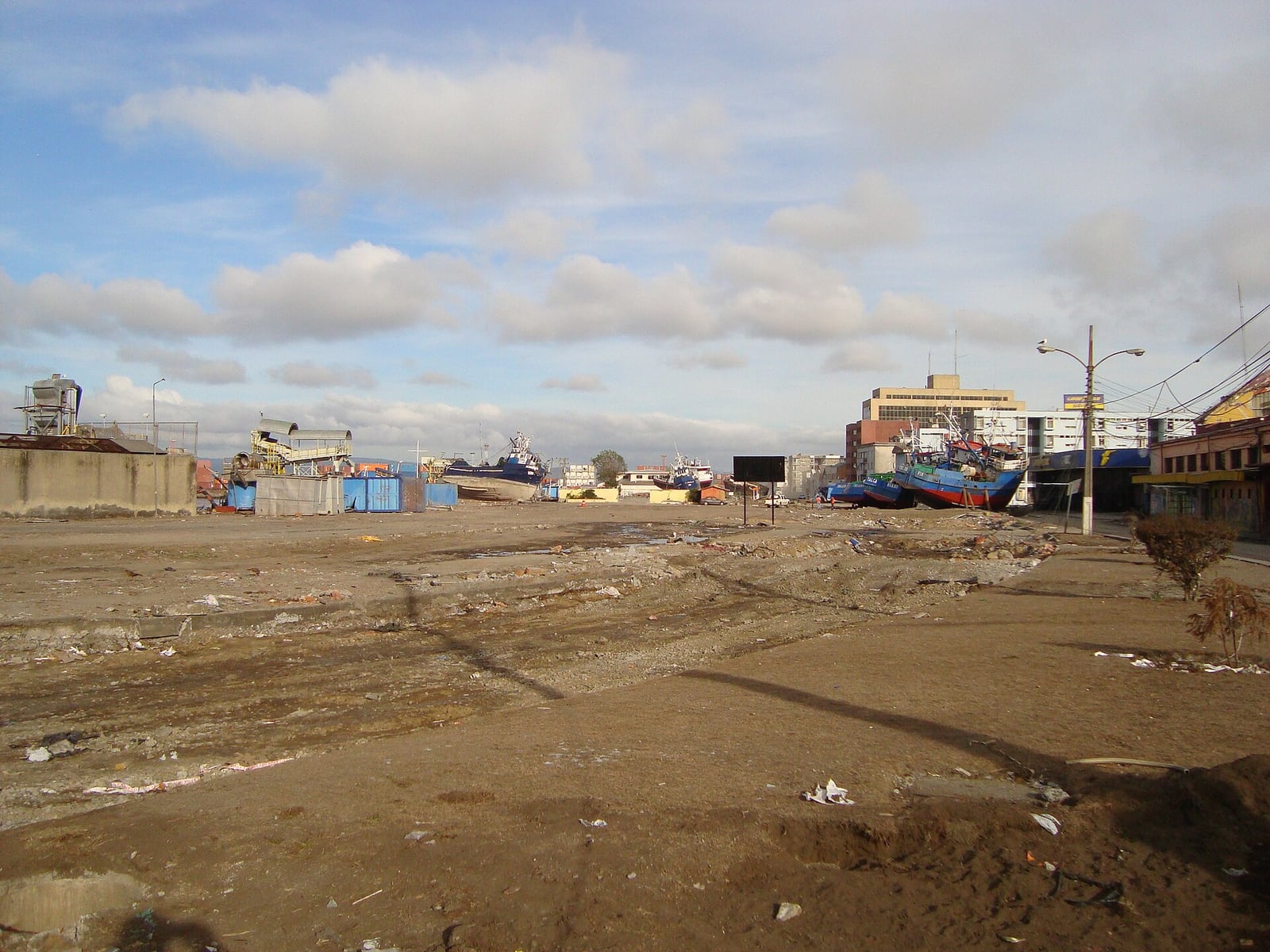
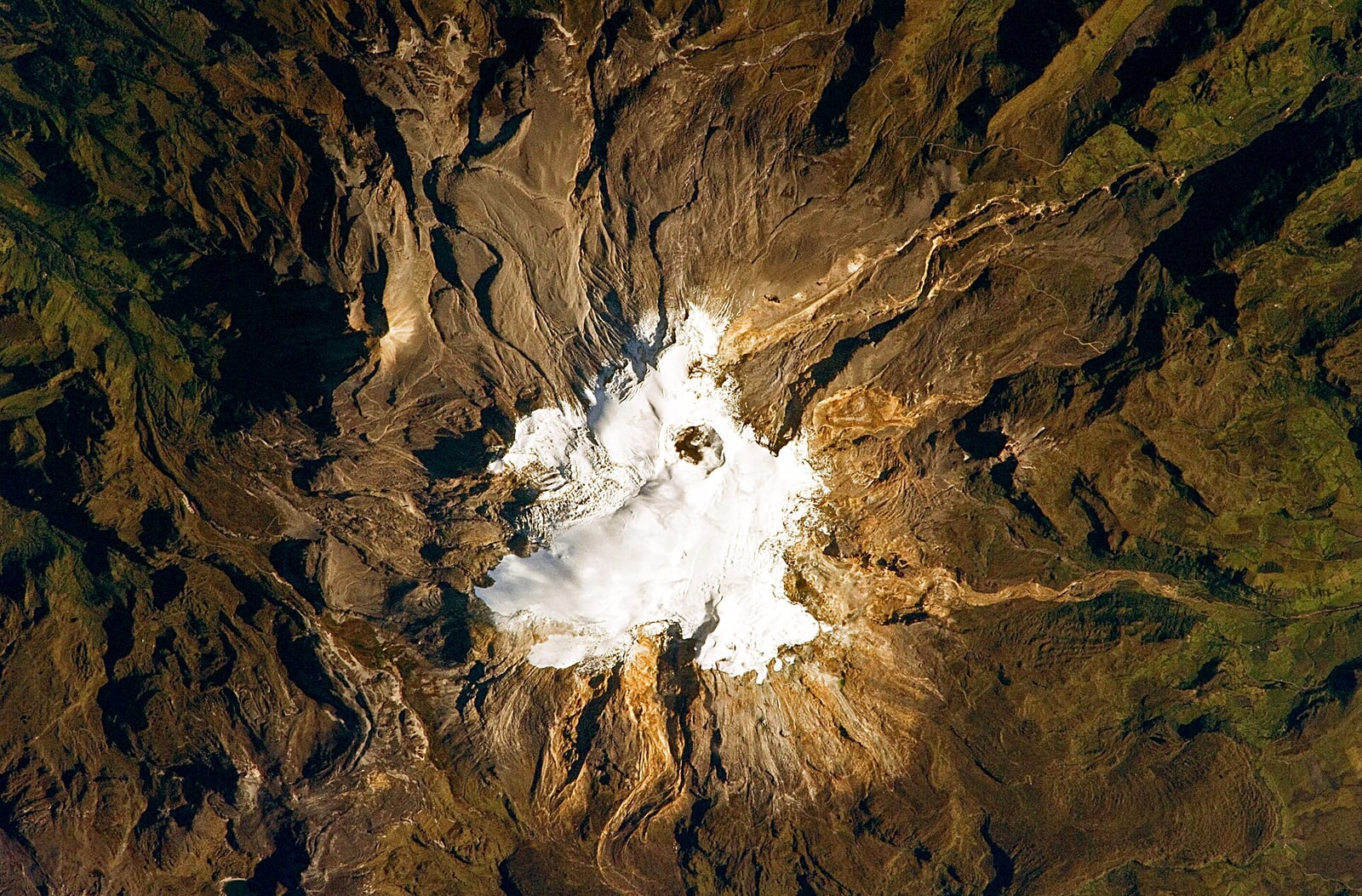
The physical devastation along the Chilean coast was immediate and profound. Roughly forty percent of the buildings in the city of Valdivia were ruined, leaving an estimated 20,000 residents without shelter. Concrete structures lacking seismic design collapsed, while subsidence deepened rivers and permanently submerged lowland neighborhoods and pastures. Coastal settlements faced devastating localized tsunamis, with waves reaching up to twenty-five meters high. In harbors such as Corral, ships were torn from their moorings and wrecked. Secondary geological events compounded the crisis: extensive landslides obstructed valleys in the Andes, and the Cordón Caulle volcanic vent began erupting thirty-eight hours after the main tremor.

Keep reading in Yester
Coming soon to the App Store
Keep following the story
Sources
Image: Pierre St. Amand