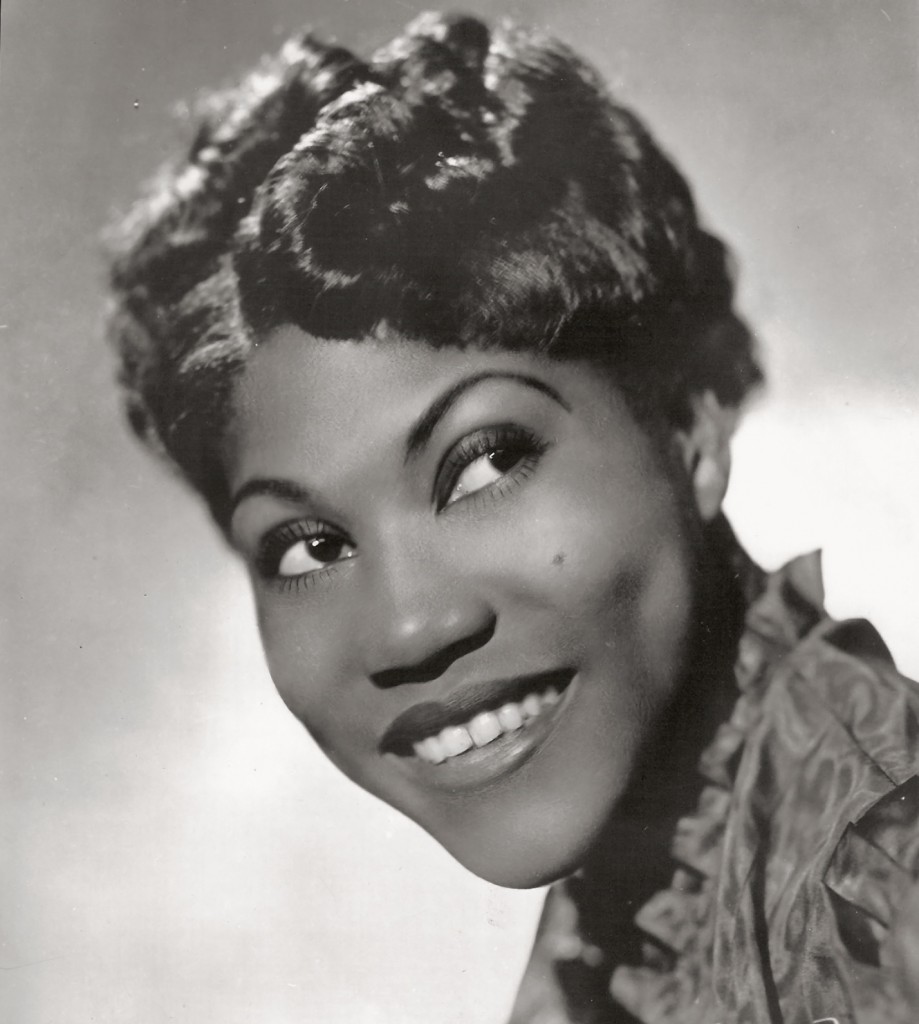
Sister Rosetta Tharpe Takes Gospel onto New Stages
Recordings and electric guitar helped a performer carry sacred music across boundaries that were never simple.
On October 31, 1938, twenty-three-year-old guitarist and singer Sister Rosetta Tharpe stepped into a studio to cut four sides for Decca Records. The tracks, which included "Rock Me" and "That's All", marked the label's first recorded gospel selections. Tharpe had developed her craft from early childhood within the Church of God in Christ, performing across the American South alongside her evangelist mother. By fusing church repertoire with the rhythmic drive of contemporary popular forms, her debut recordings found immediate commercial success and signaled the arrival of gospel music in mainstream commercial markets.
Within weeks of her recording debut, Tharpe took the stage at prominent secular venues in New York City. She appeared alongside Cab Calloway at the Cotton Club and performed at Carnegie Hall in John Hammond's "Spirituals to Swing" concert in December 1938. Navigating between spiritual devotion and commercial entertainment proved deeply controversial. Conservative churchgoers condemned the spectacle of a woman playing guitar in nightclubs alongside dancers and big bands. Even as segments of the gospel community shunned her for performing worldly material under contractual obligations, secular audiences embraced her driving tempo and vocal power.

Keep reading in Yester
Coming soon to the App Store
Keep following the story
Sources
Image: James J. Kriegsmann