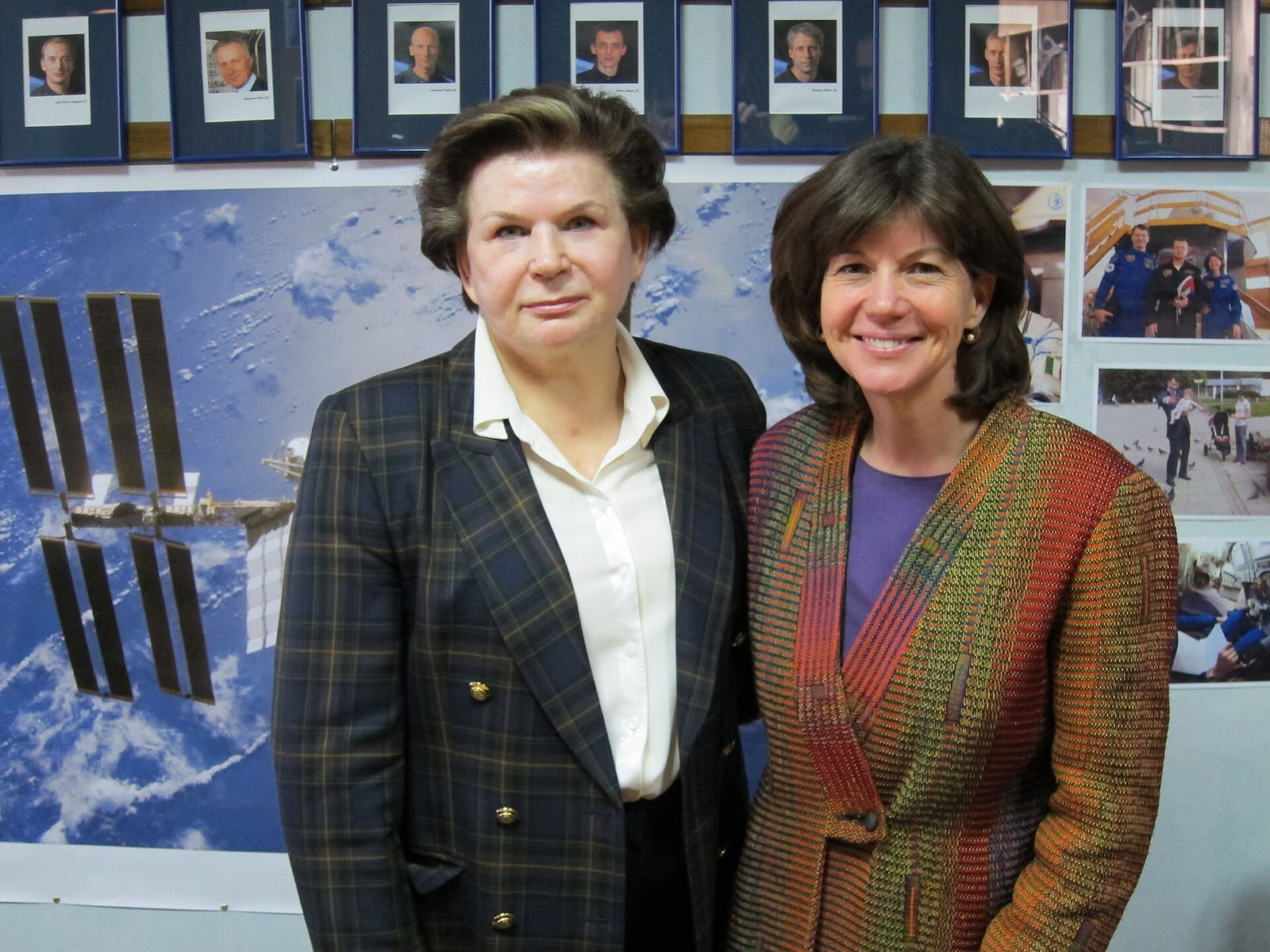
Valentina Tereshkova Opens a Door to Space
Forty-eight orbits made her the first woman in space. The nineteen-year wait for the next woman reveals how a celebrated first can outpace lasting institutional change.
On June 16, 1963, Valentina Tereshkova launched from Baikonur aboard Vostok 6. Over nearly three days she circled Earth forty-eight times and became the first woman to travel into space. The mission offered an unmistakable image of possibility. It also created a misleading expectation: that once a woman had flown, women would soon become a regular presence in human spaceflight. The next woman would not reach orbit for nineteen years.
Tereshkova had worked in a textile factory and practiced parachuting before her selection for the Soviet program. That second experience was particularly relevant to Vostok, whose occupants ejected from the returning capsule and descended separately under parachutes. She was one of several women trained as potential cosmonauts, not a passenger selected on launch day for a symbolic ride. Preparation involved learning spacecraft systems and enduring the physical demands used to evaluate candidates for a difficult, unfamiliar environment.

Keep reading in Yester
Coming soon to the App Store
Keep following the story
Sources
Image: NASA/Mike Fossum