ARPANET Switches to TCP/IP
A coordinated changeover gave the network the protocols the internet still uses.
On January 1, 1983, the United States military and research network known as ARPANET permanently deactivated its original host-to-host system, the Network Control Program, in favor of a newer communication architecture. This coordinated transition, designated as a flag day, marked the operational deployment of the Internet protocol suite. Under development for nearly a decade, the new system established a shared foundation for routing and transporting data across distinct physical networks, formalizing the internetworking model that would subsequently underpin the global Internet.
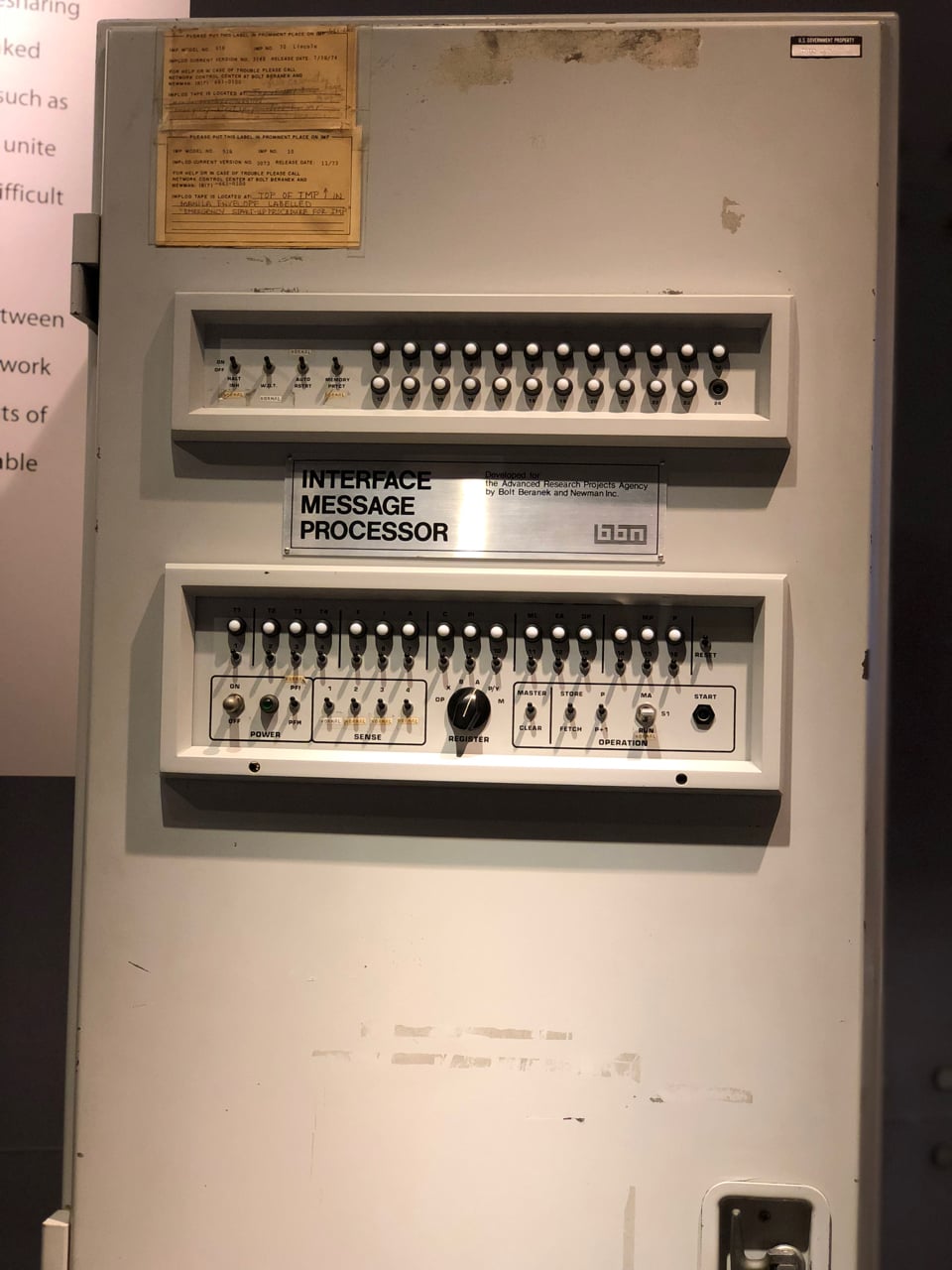
The transition originated in late 1960s networking initiatives sponsored by the Defense Advanced Research Projects Agency, or DARPA. In 1968, the agency contracted Bolt Beranek and Newman to construct Interface Message Processors, the early gateways that functioned as network routers. The earliest installations linked research nodes in California and Utah late in 1969, leading to the creation of the Network Working Group and the development of the Network Control Program. However, as DARPA began testing disparate transmission mediums in the early 1970s, including ground-based packet radio and satellite links, researchers recognized that the existing protocols could not easily interconnect separate networks.

Keep reading in Yester
Coming soon to the App Store
Keep following the story

Sources
- RFC 801: NCP/TCP Transition Plan (IETF RFC Editor)
- Brief History of the Internet (Internet Society)
- ARPANET (DARPA)
- IEN 207: DoD Policy on Standardization of Host-to-Host Protocols, March 1982 (RFC Editor archive)
- Computer History Museum and Web History Center Celebrate 30th Anniversary of Internet Milestone (Computer History Museum)
- Twenty Years of Berkeley Unix, by Marshall Kirk McKusick (O'Reilly, Open Sources)
- Internet protocol suite
Image: ArnoldReinhold