The Srebrenica Massacre
Bosnian Serb forces killed about 8,000 Bosniak men and boys in a UN-declared safe area.
In July 1995, during the disintegration of Yugoslavia and the broader Bosnian War, the eastern town of Srebrenica became the site of the first legally recognised genocide on European soil since the end of the Second World War. Armed forces belonging to the Bosnian Serb Army of Republika Srpska, commanded by General Ratko Mladić, systematically executed more than 8,000 Bosniak Muslim men and boys. Between 25,000 and 30,000 Bosniak women, children, and elderly residents were forcibly deported from the enclave as part of an aggressive campaign to carve out an ethnically homogenous Serb territory.
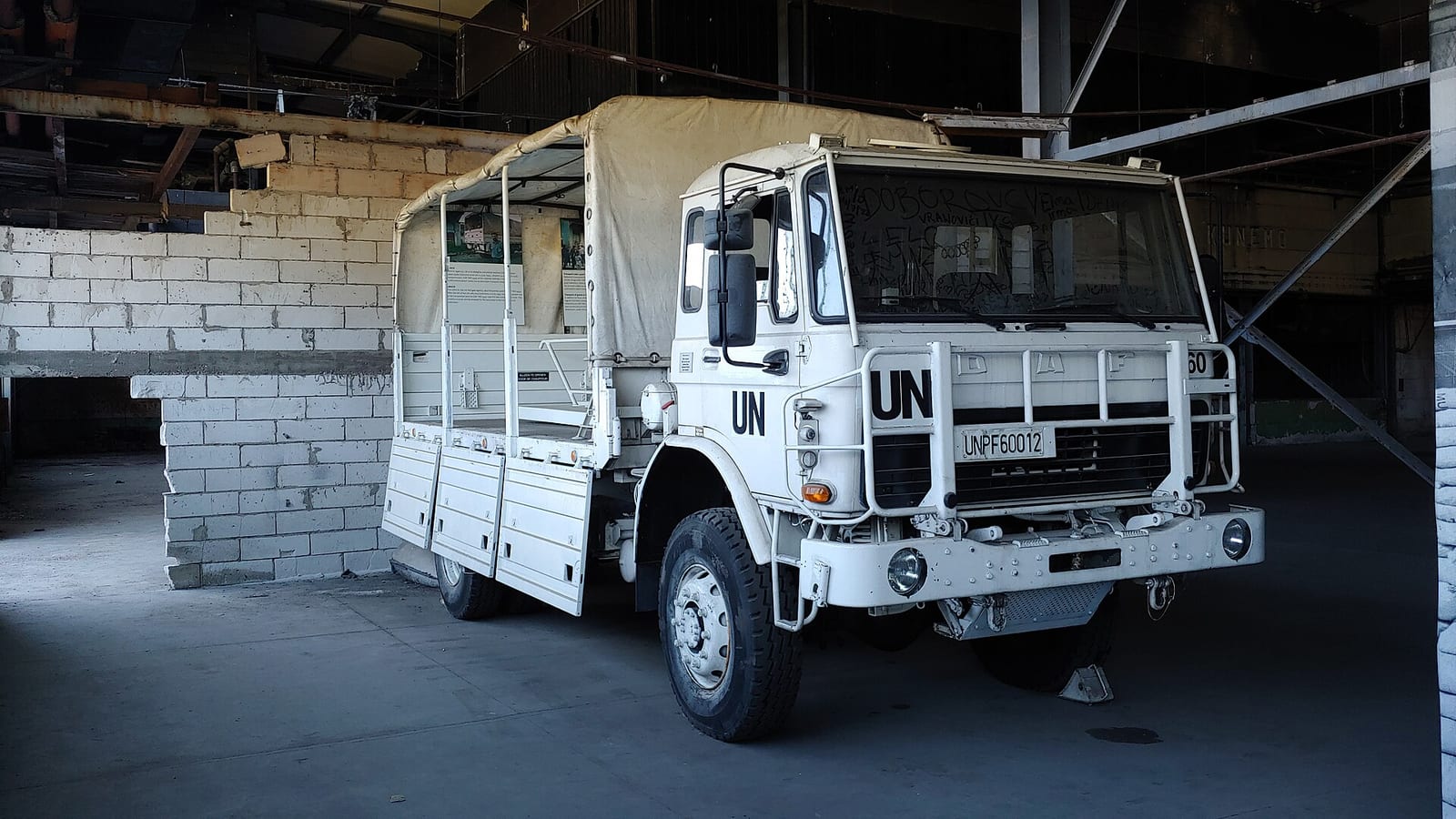
Prior to the killings, the United Nations had declared Srebrenica a safe area under international protection in April 1993 through Security Council Resolution 819. The enclave was surrounded entirely by Serb forces, swollen with refugees who fled the destruction of nearby communities, and cut off from essential aid. Although international peacekeepers were mandated to deter violence, a small, lightly armed contingent of Dutch troops known as Dutchbat struggled with severe resource shortages. By early 1995, Bosnian Serb blockades halted supply convoys, leaving the civilian population and the peacekeepers short on food, fuel, and medical provisions.

Keep reading in Yester
Coming soon to the App Store
Keep following the story
Sources
- Srebrenica 30 (International Residual Mechanism for Criminal Tribunals)
- Prosecutor v. Radislav Krstic, Trial Judgement (ICTY)
- Application of the Genocide Convention (Bosnia and Herzegovina v. Serbia and Montenegro) (International Court of Justice)
- Dutch State bears very limited liability in 'Mothers of Srebrenica' case (Supreme Court of the Netherlands)
- Srebrenica Genocide (International Commission on Missing Persons)
- Potocari Memorial and Cemetery (Remembering Srebrenica Scotland, Beyond Srebrenica)
- Srebrenica massacre
Image: Duesseljan