
Natsume Sōseki Views Modern Life Through a Cat
A serialized satire helped establish a novelist whose work examined the tensions of a rapidly changing society.
In January 1905, the Japanese literary journal Hototogisu published the opening installment of I Am a Cat, a comic story written by an English literature lecturer named Natsume Soseki. Narrated by an unnamed, self-important feline observing the household of an eccentric Tokyo schoolteacher, the piece satirized the social posturing and intellectual pretensions of the urban middle class. The narrator mocked the clumsy Western affectations and petty hypocrisies of its human master and his circle, giving voice to a distinct comic detachment. Originally intended as a standalone tale, the piece became a national sensation, prompting its author to expand it into an eleven-part serialized novel that ran through 1906.
The publication arrived during the closing years of the rapid modernization that transformed Japan during the Meiji era. Born Natsume Kinnosuke in Edo in February 1867, just prior to the sweeping political transition that abolished his family's hereditary administrative standing, Soseki grew up amidst sweeping social turbulence. After early studies in classical Chinese literature, he mastered English and graduated from Tokyo Imperial University. In 1900, the Ministry of Education dispatched him to London as its first government-sponsored scholar of English literature. His two years abroad, however, brought intense feelings of cultural dislocation, racial alienation, and a severe mental breakdown that led officials to recall him to Tokyo in 1902.

Keep reading in Yester
Coming soon to the App Store
Keep following the story
Sources
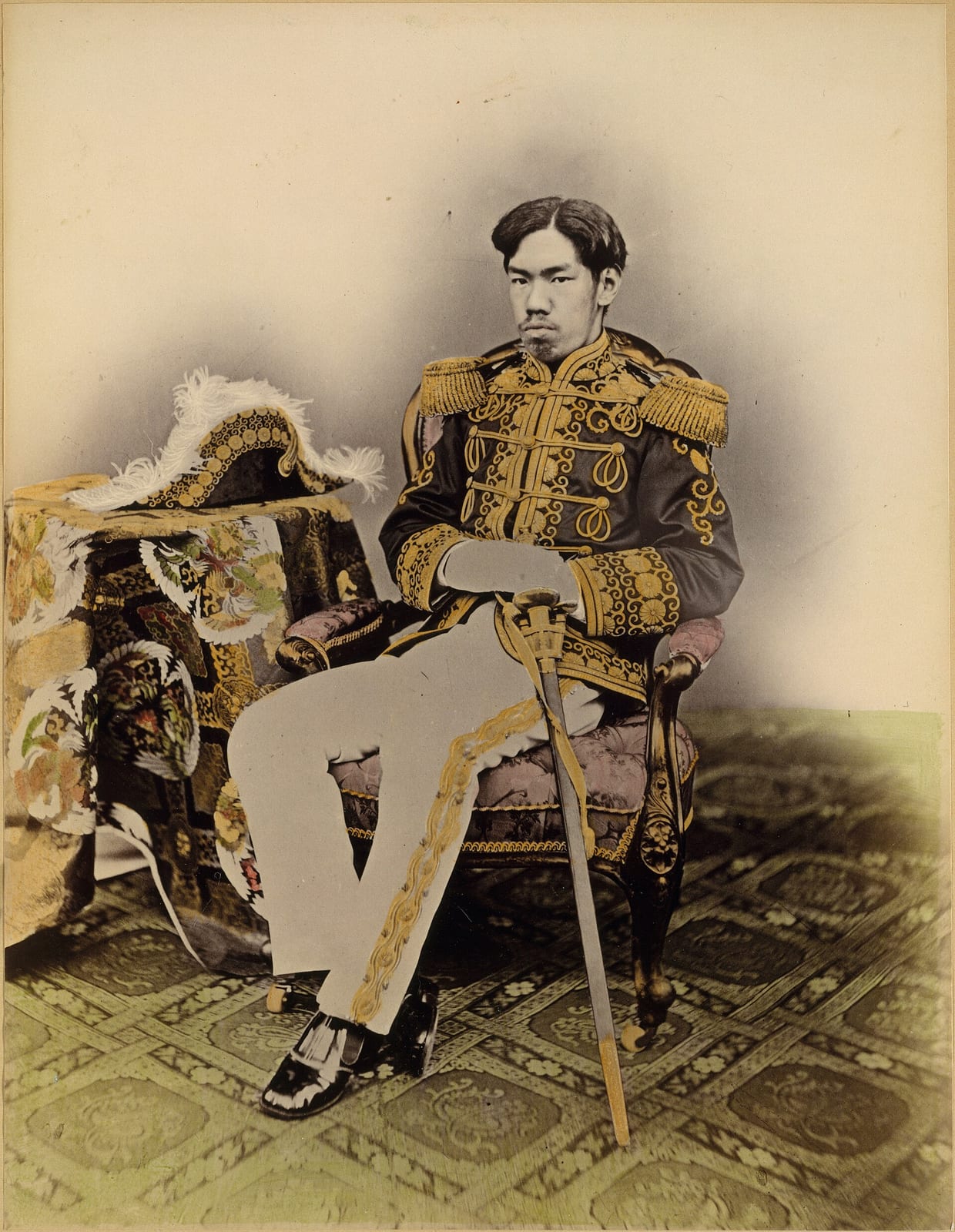
Image: Ogawa Kazumasa