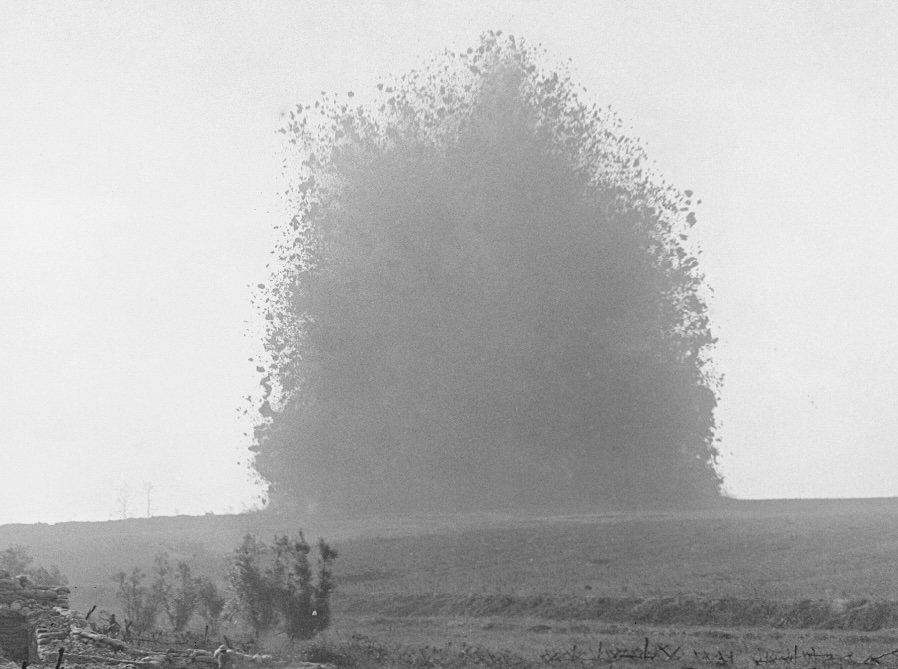
The Battle of the Somme Begins
The first day was the bloodiest in the history of the British Army.
On 1 July 1916, British and French forces launched an offensive along the Somme River in Picardy, France, seeking to relieve German pressure on Verdun and inflict heavy attrition on the Western Front. Conceived originally at the Chantilly Conference in December 1915 as a joint Allied effort across multiple European theaters, the Somme campaign shifted drastically in composition after Imperial German armies initiated the Battle of Verdun in February 1916. The French army had to redirect numerous divisions to preserve the Meuse strongholds, leaving the British, under their commander-in-chief General Sir Douglas Haig, to assume the primary role in the northern sector, with Sir Henry Rawlinson's Fourth Army leading the opening attack.
The opening assault resulted in the catastrophic collapse of the British northern thrust between the Albert-Bapaume road and Gommecourt. Aware of Allied intentions from prisoner interrogations and intelligence compromises, the German Second Army maintained fortified underground dugouts twenty to thirty feet deep that withstood days of preliminary shelling. While French divisions and the British right flank achieved notable advances south of the road, the northern waves faced concentrated machine-gun and artillery barrages. On that single day, British casualties reached 57,470, including 19,240 dead, representing the highest single-day loss in the history of the British Army.

Keep reading in Yester
Coming soon to the App Store
Keep following the story
Sources
Image: Ernest Brooks