A Reform Movement Reshapes the Central Sudan
Conflict and religious reform led to a new political network in West Africa.
In February 1804, the Fulani scholar Usman dan Fodio left Degel in the kingdom of Gobir for Gudu after mounting harassment by Sultan Yunfa. At Gudu, his followers declared him Commander of the Faithful, inaugurating a campaign of religious reform and military expansion known as the Fulani War. The conflict emerged from decades of regional fragmentation following the earlier retreat of the Bornu Empire and the collapse of the Songhai realm. Across the Hausa city-states, heavy taxation, endemic raiding, and persistent non-Muslim practices among the ruling aristocracies prompted reformist scholars to advocate Maliki legal traditions and strict Islamic governance. Yunfa formally initiated hostilities later that February, but dan Fodio's coalition of warrior-scholars rapidly organized to challenge Hausa rule.
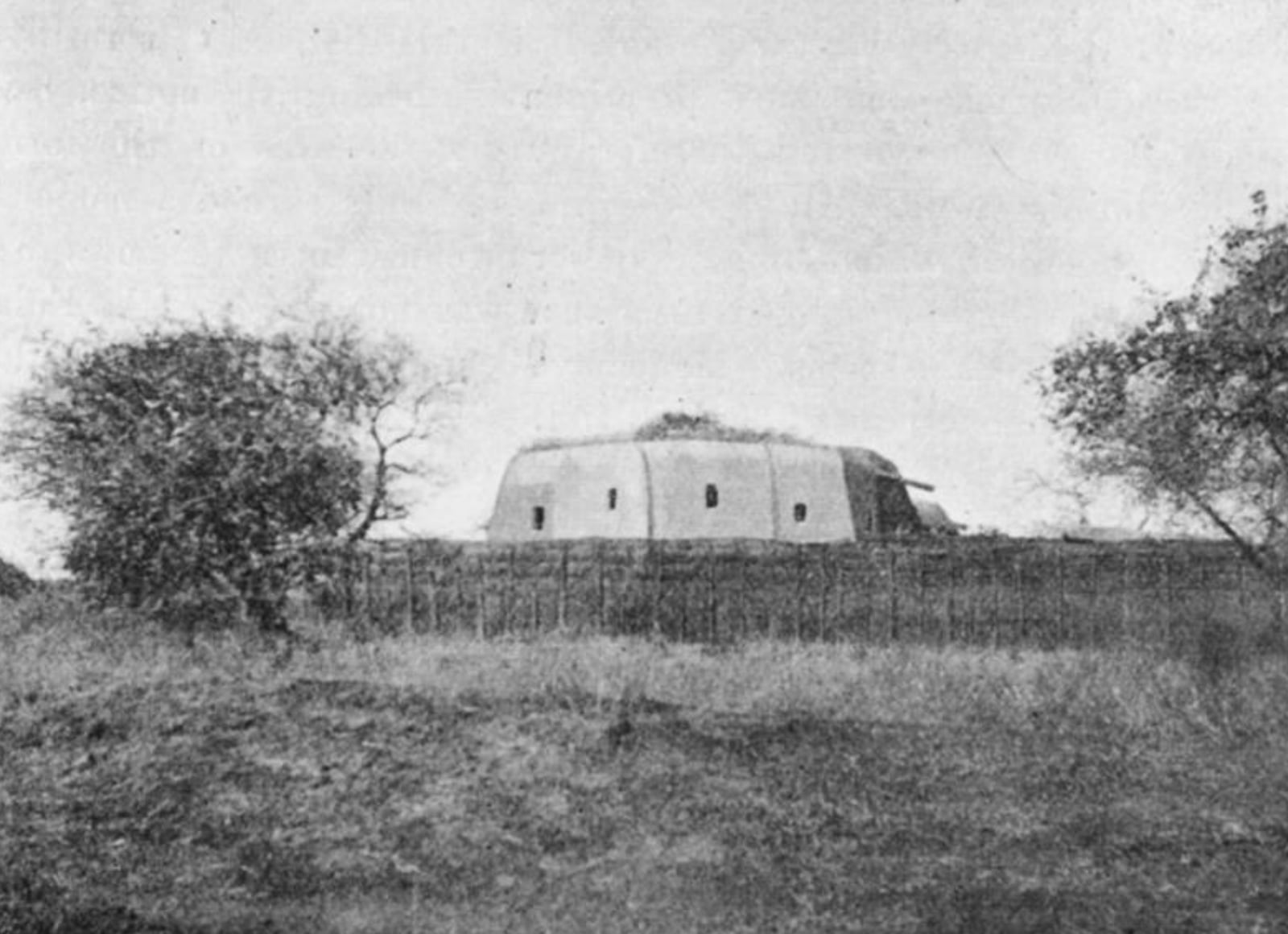
Dan Fodio appointed trusted companions as regional flag-bearers, laying the administrative foundation for a confederation of more than thirty emirates. Despite early battlefield setbacks, the reformist forces utilized mobile tactics and drew support from pastoralists as well as ordinary farming populations alienated by royal levies. Between 1805 and 1808, they overran Katsina, Daura, Kano, and eventually Gobir. In 1809, dan Fodio's son Muhammad Bello established the city of Sokoto, which served as the capital of the nascent state. Under Bello's supervision, the government built walled garrison settlements known as ribats, which helped settle nomadic populations, secure regional trade routes, and support the growth of agricultural plantations.

Keep reading in Yester
Coming soon to the App Store
Keep following the story
Sources
- Uthman dan Fodio, Research Starters (EBSCO)
- The Sokoto Caliphate, Murray Last, in The Oxford World History of Empire, Vol. 2 (Oxford University Press)
- Plantations in the Economy of the Sokoto Caliphate, Paul E. Lovejoy, Journal of African History (Cambridge University Press)
- Contradictions in Creating a Jihadi Capital: Sokoto in the Nineteenth Century and Its Legacy, Murray Last, African Studies Review (Cambridge University Press)
- Slow Death for Slavery: The Course of Abolition in Northern Nigeria, 1897-1936, Lovejoy and Hogendorn (Cambridge University Press)
- Nana Asma'u and the 'yan taru movement (Daily Trust)
- Sokoto Caliphate
Image: J A Burdon