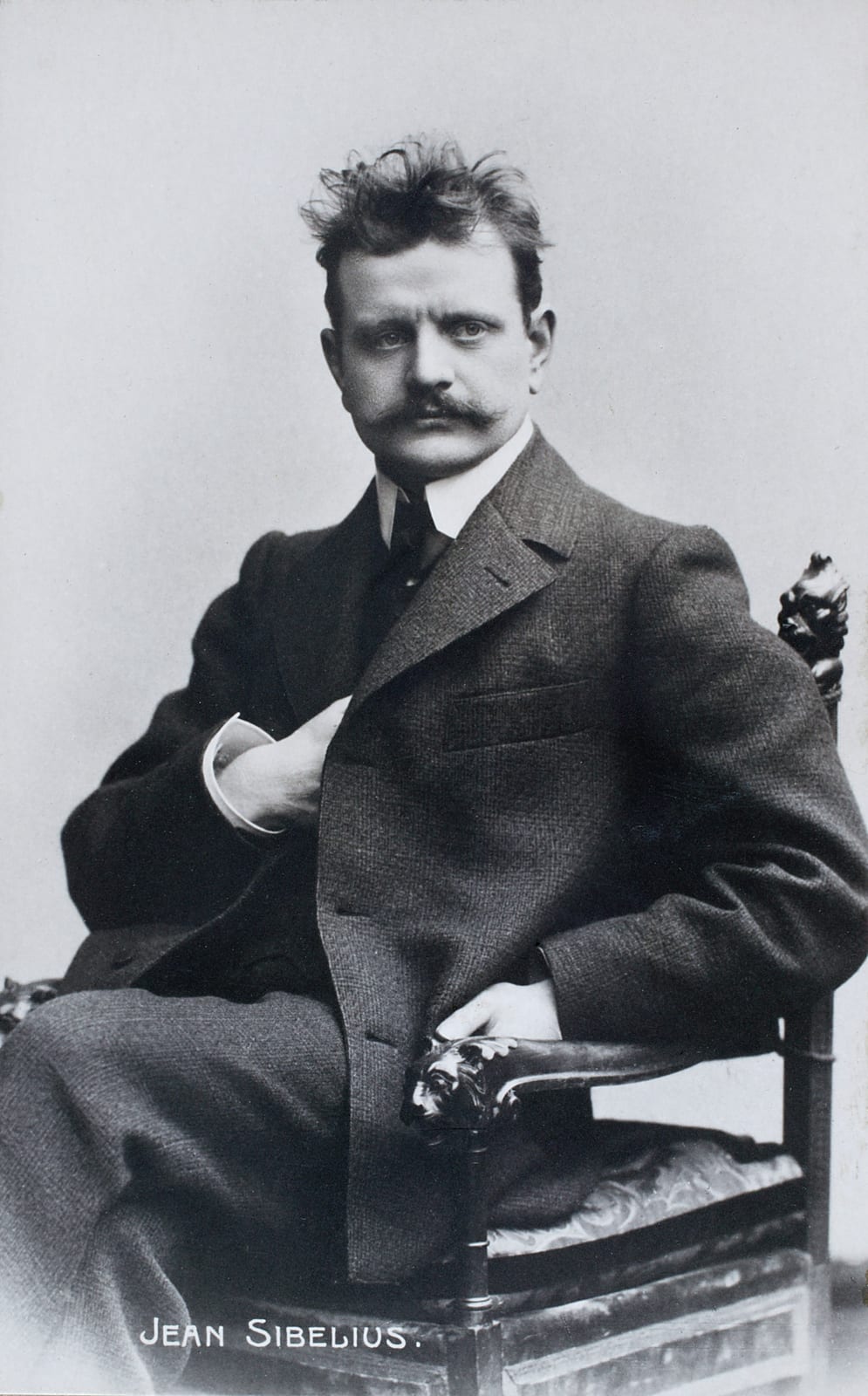
Finlandia Gives a Political Moment a Musical Afterlife
Music written around protests against imperial pressure became a lasting national symbol. Its later familiarity can obscure the specific tensions from which it emerged.
In 1899, Finnish composer Jean Sibelius composed an orchestral score for the Press Celebrations in Helsinki, an event organized as a covert protest against imperial Russian censorship. Finland was then an autonomous Grand Duchy within the Russian Empire, and the celebrations made use of historical tableaus to voice political dissatisfaction. Sibelius provided musical accompaniment for seven staged scenes illustrating key episodes from the country's past, ranging from early myth to historical conflicts.
The final sequence of the original suite accompanied a tableau depicting the nation awakening to its future. Following the 1899 celebrations, Sibelius revised the final sections of this incidental music in 1900, reworking them into an independent orchestral tone poem titled Finlandia, Op. 26. In that same year, Sibelius also produced an arrangement of the composition for solo piano. The revised orchestral work received its premiere on 2 July 1900 in Helsinki, performed by the Helsinki Philharmonic Society under the direction of Robert Kajanus.

Keep reading in Yester
Coming soon to the App Store
Keep following the story
Sources
Image: Photographerː Daniel Nyblin