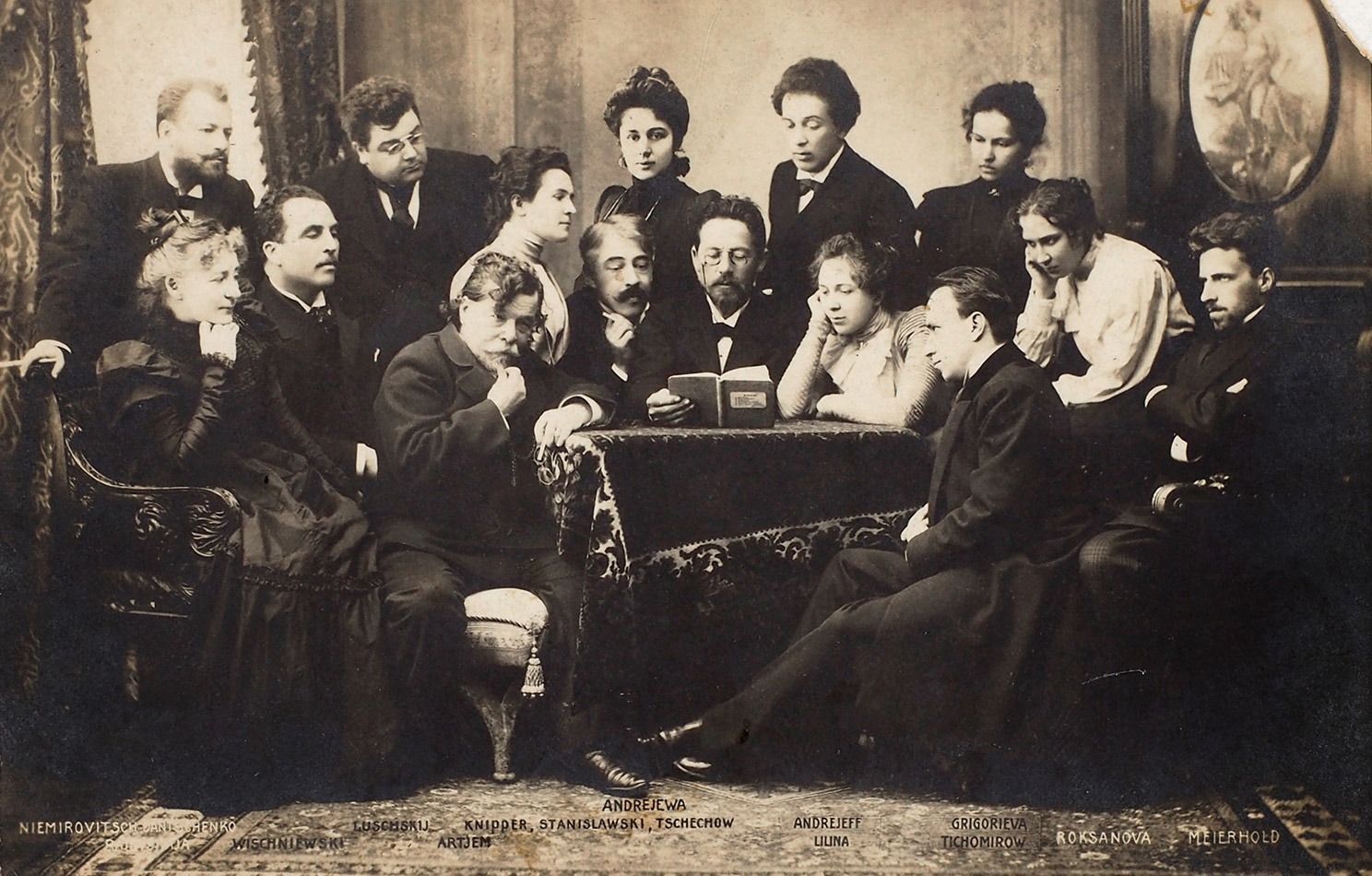
The Moscow Art Theatre Rescues Chekhov’s The Seagull
A play that flopped in St Petersburg became a triumph for Stanislavski’s company.
On 17 October 1896, the Alexandrinsky Theatre in Saint Petersburg staged the premiere of Anton Chekhov's four-act play, The Seagull. Rather than winning acclaim, the performance unfolded into an outright disaster. Hostile jeers from the audience unsettled the cast so profoundly that Vera Komissarzhevskaya, an esteemed performer cast as Nina, lost her voice during the performance. Chekhov abandoned the auditorium to spend the final two acts backstage. Shaken by the reception, he resolved that evening to abandon playwriting altogether, dismissing subsequent assurances from friends that later performances found favor as mere attempts to spare his feelings.
Chekhov had composed the piece in late 1895 in a small lodge on his Melikhovo estate, consciously breaking with standard theatrical melodrama. While Victorian stage conventions relied on sensational external events, Chekhov banished lurid occurrences offstage, including suicide attempts by the young writer Konstantin Treplev. In letters to confidants, Chekhov described the work as a comedy featuring minimal outward action, copious romantic friction, and substantial dialogue concerning literature. In structure and subject, critics have noted thematic parallels to earlier psychological drama, including the avian symbolism and sudden climactic gunshots found in the plays of Henrik Ibsen.

Keep reading in Yester
Coming soon to the App Store
Keep following the story

Sources
Image: Pyotr Pavlov (1860-1925)