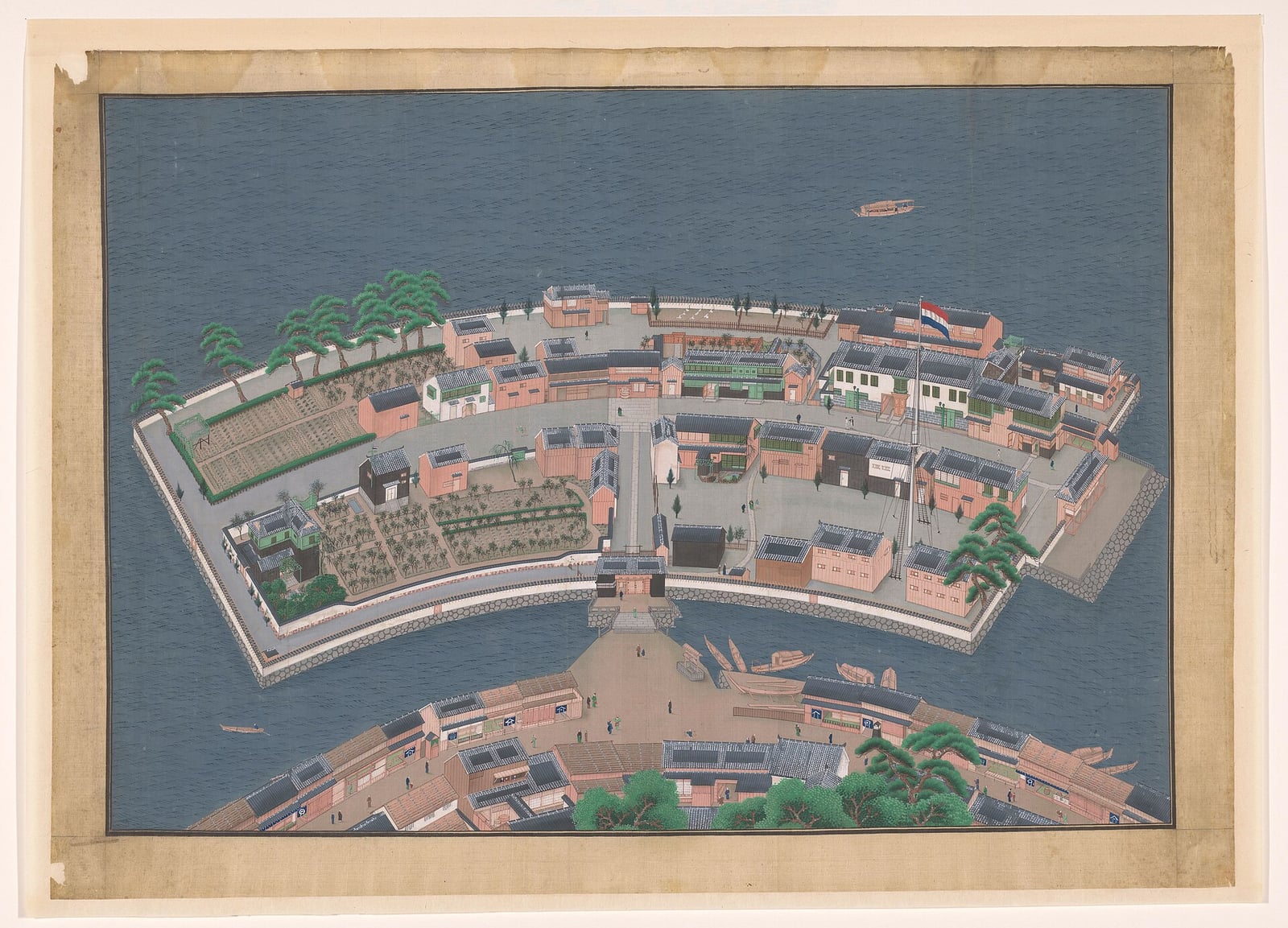
Japan Limits Its Contacts with the Outside World
Tokugawa edicts restricted foreign trade and travel for two centuries.
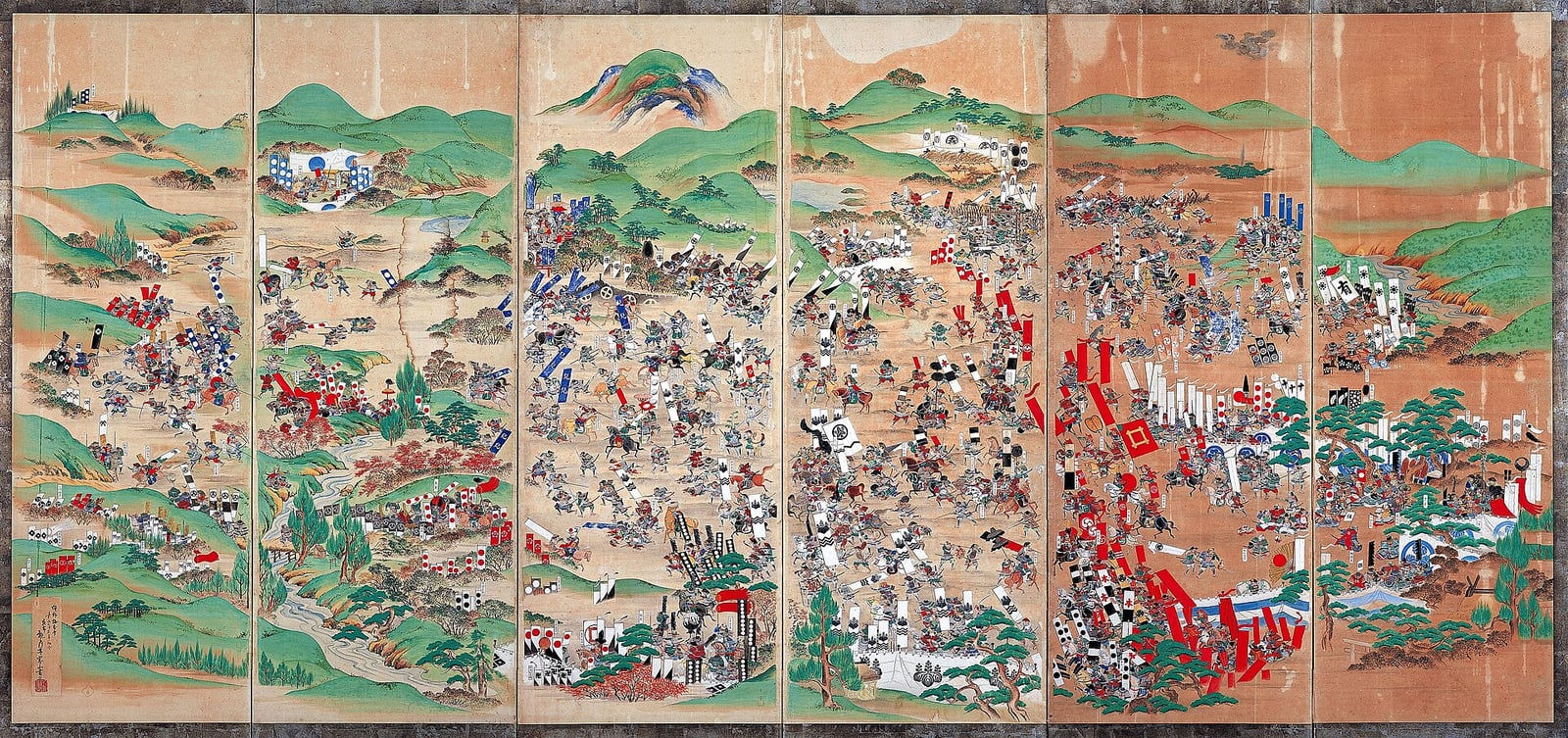
Between 1633 and 1639, the Tokugawa shogunate issued a series of edicts that sharply altered Japan's relationship with the rest of the world. Under the administration of Shogun Tokugawa Iemitsu, the military government, or bakufu, prohibited common Japanese subjects from leaving the archipelago on pain of death and barred almost all foreign nationals from entering. These decrees represented the culmination of decades of centralizing authority following the pacification of regional lords after decisive domestic conflicts, including the clash at Sekigahara. The label sakoku, meaning closed country, was coined only in the early nineteenth century, and many historians now compare the policies to the kaikin, or maritime prohibitions, of China and Korea.
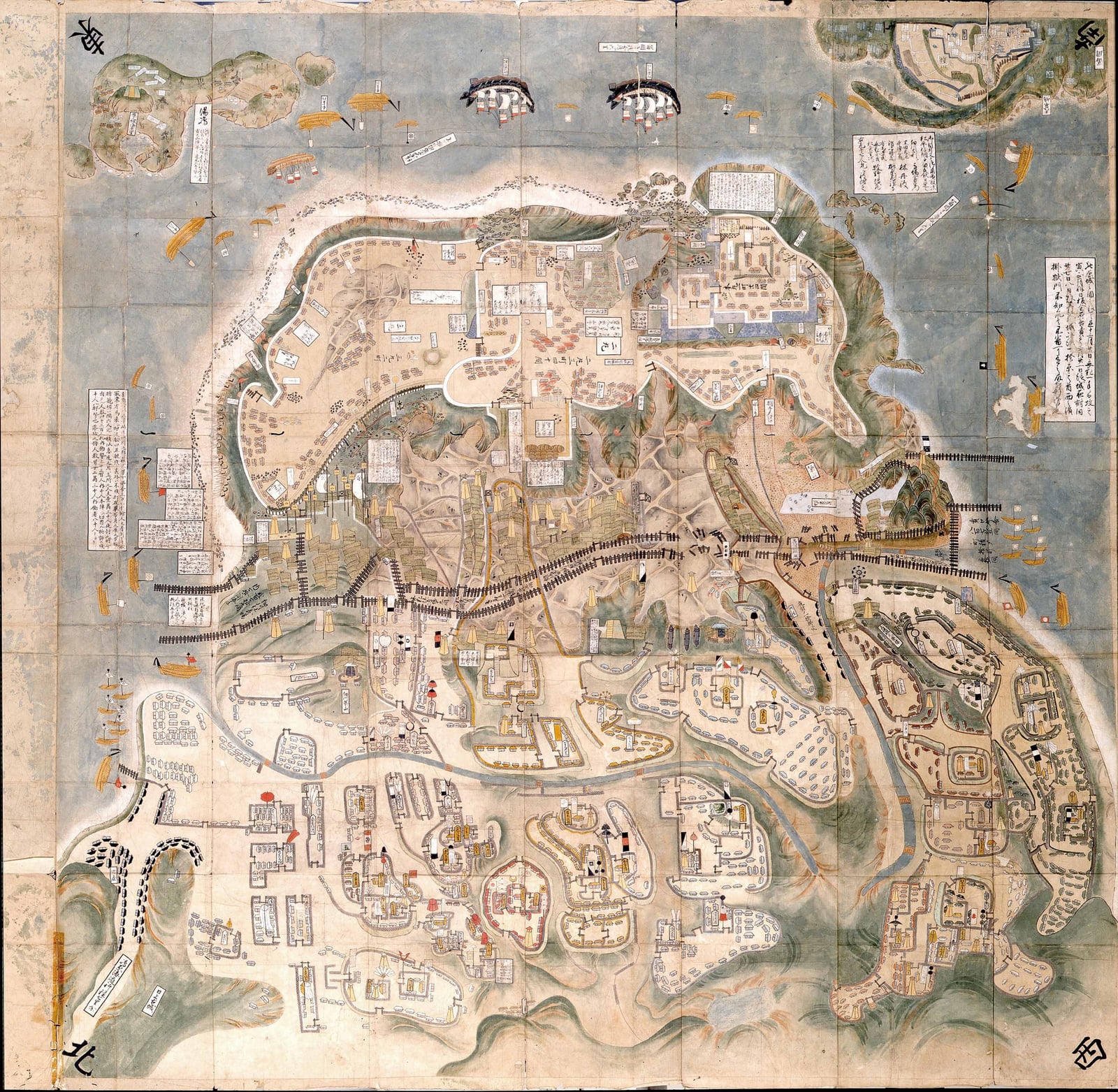
A central motivation for these edicts was the shogunate's fear of Catholic influence, particularly from Spain and Portugal. Spanish expansion in the Philippines and the rising numbers of converts in southern Japan, especially across Kyushu, led authorities to view foreign missionary activity as an ideological vanguard for European colonial encroachment. Tensions reached a turning point with the Shimabara Rebellion of 1637 and 1638, in which tens of thousands of predominantly Christian peasants rose against local misrule. Blaming European missionaries for inciting the revolt, the bakufu expelled Portuguese traders, executed Portuguese envoys who returned in 1640 to negotiate, and banned Christianity entirely.

Keep reading in Yester
Coming soon to the App Store
Keep following the story
Sources
Image: Rijksmuseum