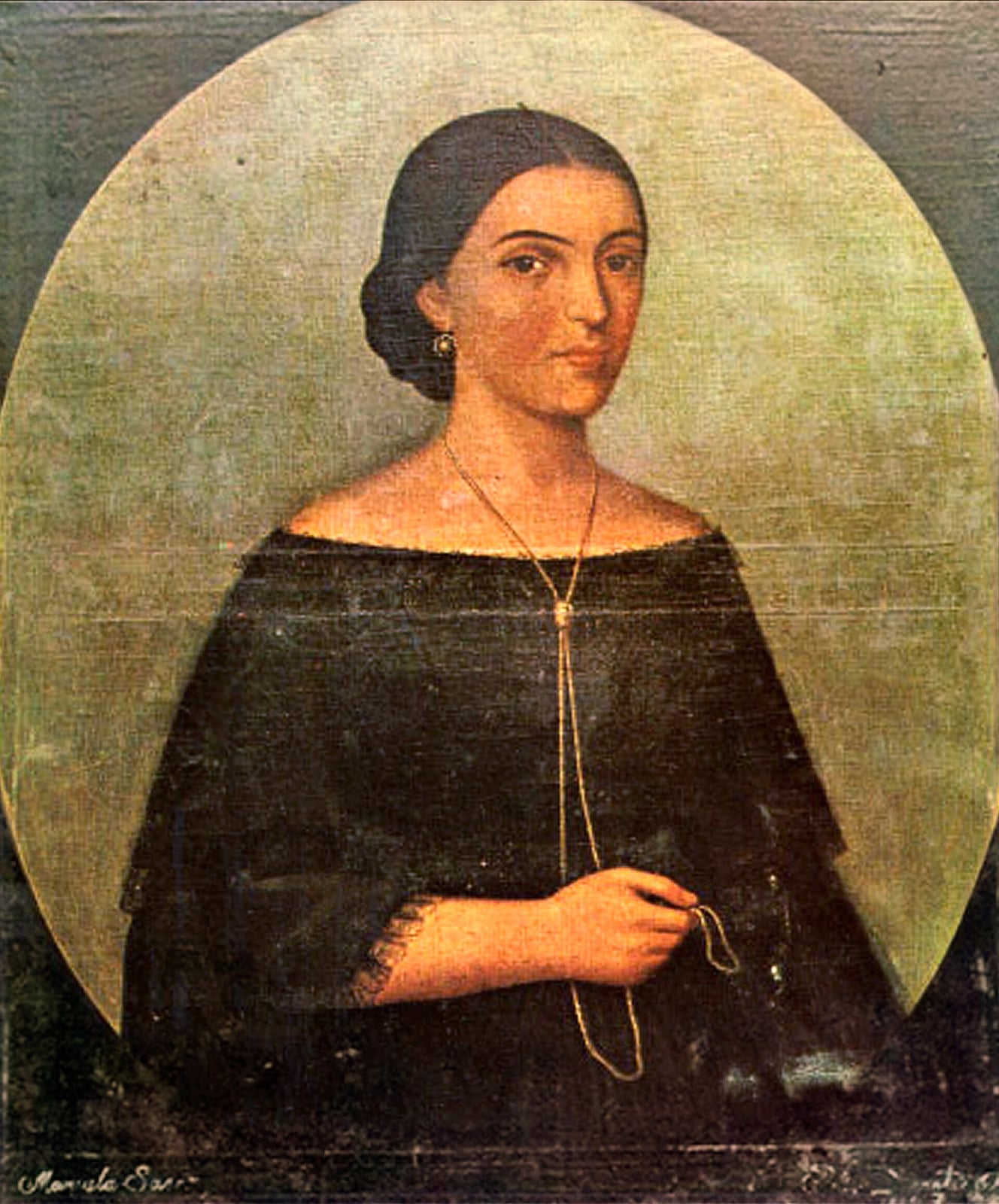
Manuela Sáenz Helps Bolívar Escape Assassins
She delayed the conspirators in Bogotá while Simón Bolívar fled through a window.
On the night of 25 September 1828, mutinous officers broke into the presidential residence in Bogotá intent on assassinating Simón Bolívar. Awakened by sounds of fighting outside the bedchamber, Bolívar prepared to investigate the disturbance directly. Manuela Sáenz, who was sharing the room with him, intervened and urged him to escape through a window instead. Bolívar fled into the night, leaving Sáenz behind to confront the intruders. Facing the armed conspirators alone, she claimed that Bolívar was still inside the residence and led them on a deliberate search through various rooms, pretending to be disoriented and even stopping to attend to an injured man. Losing patience with her evasions, the attackers beat her before finally abandoning the search.
This intervention in Bogotá earned Sáenz the lasting title "Libertadora del Libertador," or liberator of the liberator, bestowed upon her by Bolívar. Her political and military involvement, however, stretched back long before that midnight confrontation. Born in Quito in 1797, she had been married by her father in 1817 to an Englishman, James Thorne, and relocated to Lima in 1819. In Lima, Sáenz moved within elite circles, hosting military officers and political figures whose confidences she passed to pro-independence networks. She actively participated in the conspiracy against the Spanish viceroy José de la Serna e Hinojosa, assisting in negotiations that convinced royalist troops, including the vital Numancia battalion, to defect to the anti-Spanish forces of José de San Martín.

Keep reading in Yester
Coming soon to the App Store
Keep following the story
Sources
Image: Pedro Durante