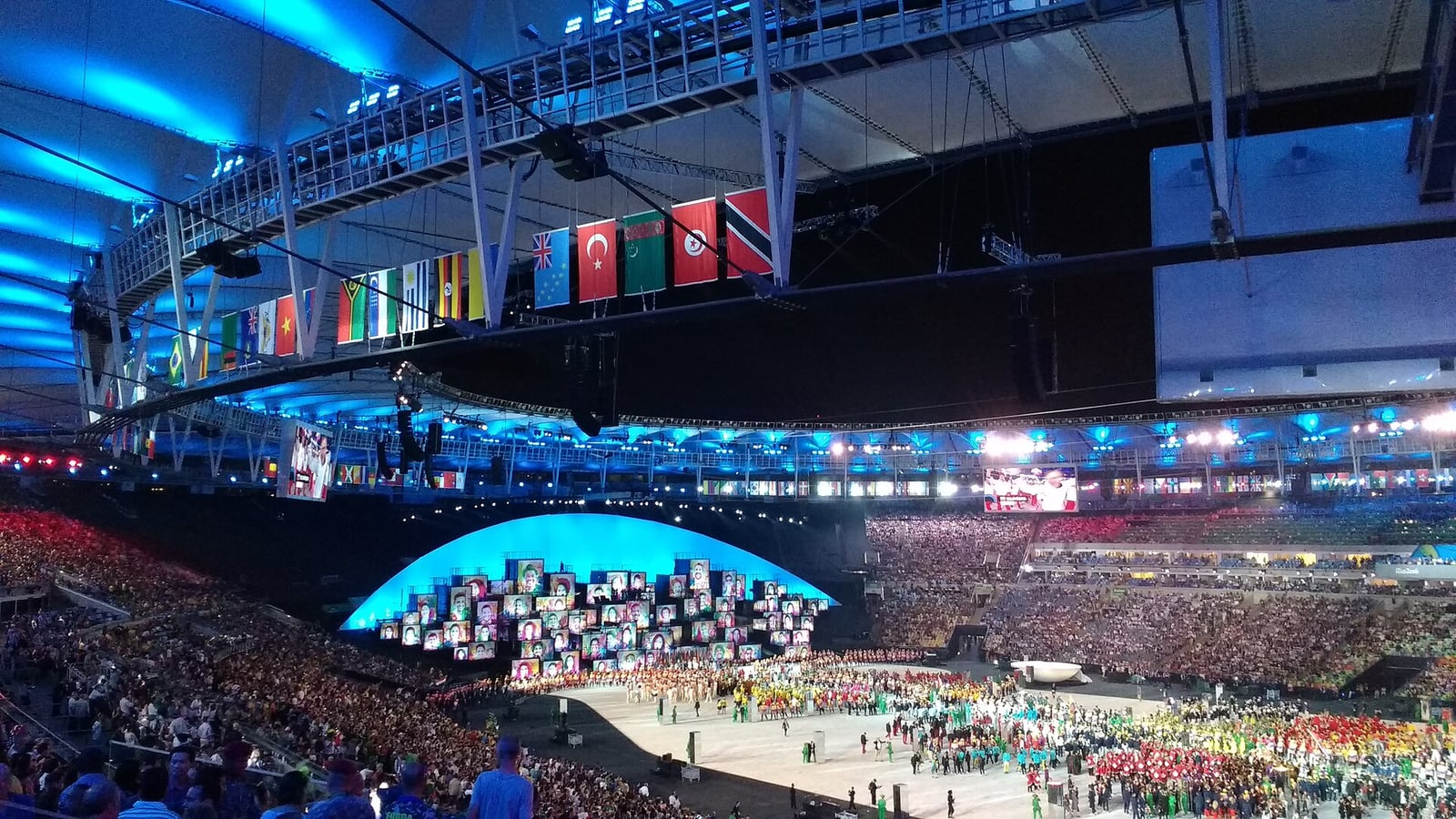
South America Hosts Its First Olympic Games
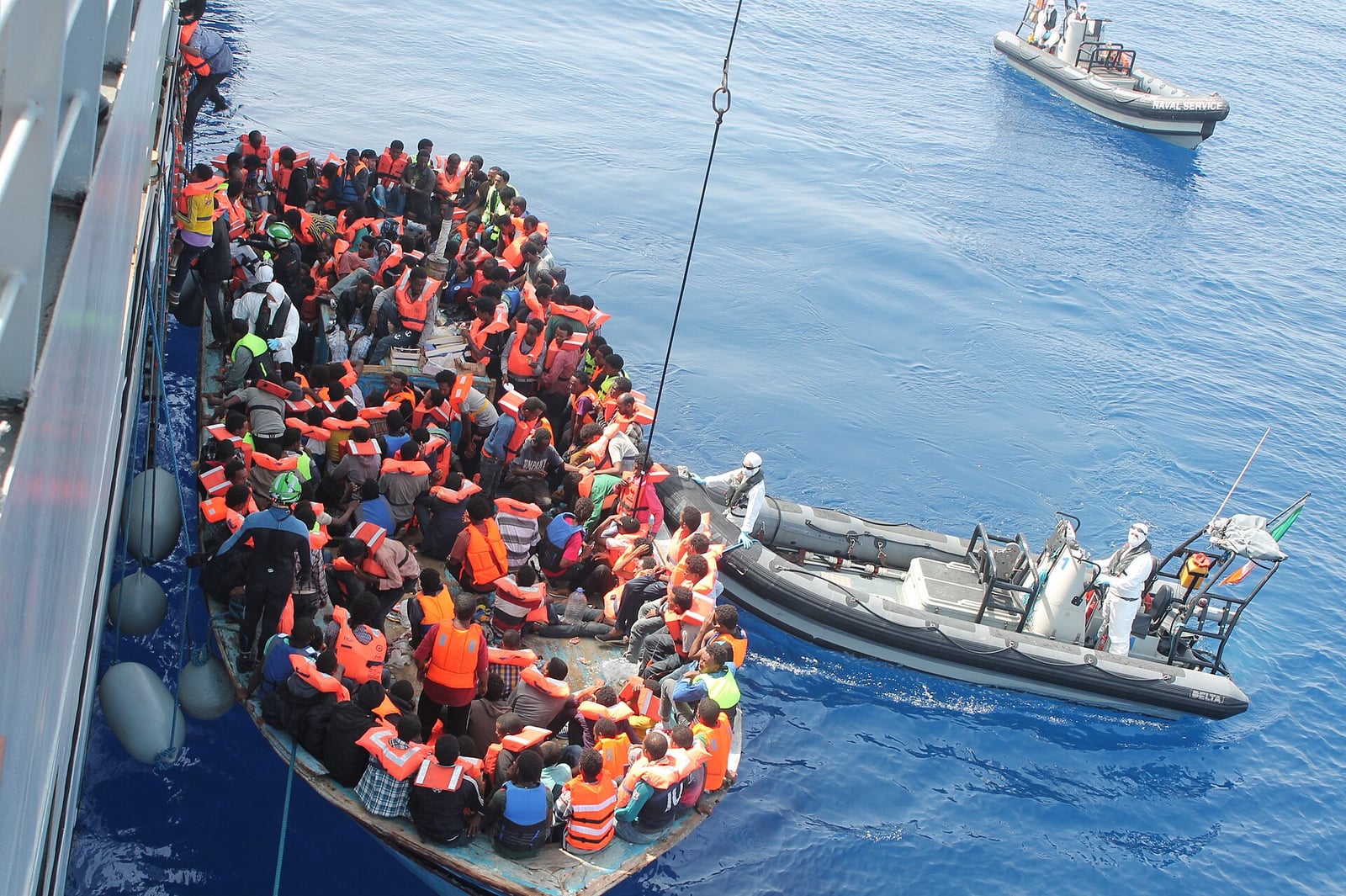
Rio’s Games also welcomed the first team of refugee athletes under the Olympic flag.
On 2 October 2009, the International Olympic Committee selected Rio de Janeiro over Madrid, Tokyo, and Chicago to host the Games of the XXXI Olympiad. The decision marked the first time the Olympic Games were scheduled to take place in South America, as well as the first edition held in a Portuguese-speaking nation. The designation brought the event to the Southern Hemisphere for the first time since 2000, setting its competition dates entirely within the local Brazilian winter season. Following the announcement, organizers faced the logistical challenge of preparing venues and urban infrastructure across the sprawling coastal metropolis.
Preparations centered on four competition zones in Rio de Janeiro: Barra, Copacabana, Deodoro, and Maracanã, supplemented by football stadiums in five other Brazilian cities. The development required eighteen existing facilities, seven temporary arenas, and nine newly built permanent sites, clustered substantially within the Barra Olympic Park. Alongside the sports complexes, the city undertook the Porto Maravilha revitalization project, which renovated historical downtown waterfront districts with extensive utility networks, transit lines, and public tunnels. According to the Oxford Olympics Study 2016, the sports-related out-turn cost reached 4.6 billion dollars in 2015 currency.

Keep reading in Yester
Coming soon to the App Store
Keep following the story

Sources
Image: Just a Brazilian man from Brazil