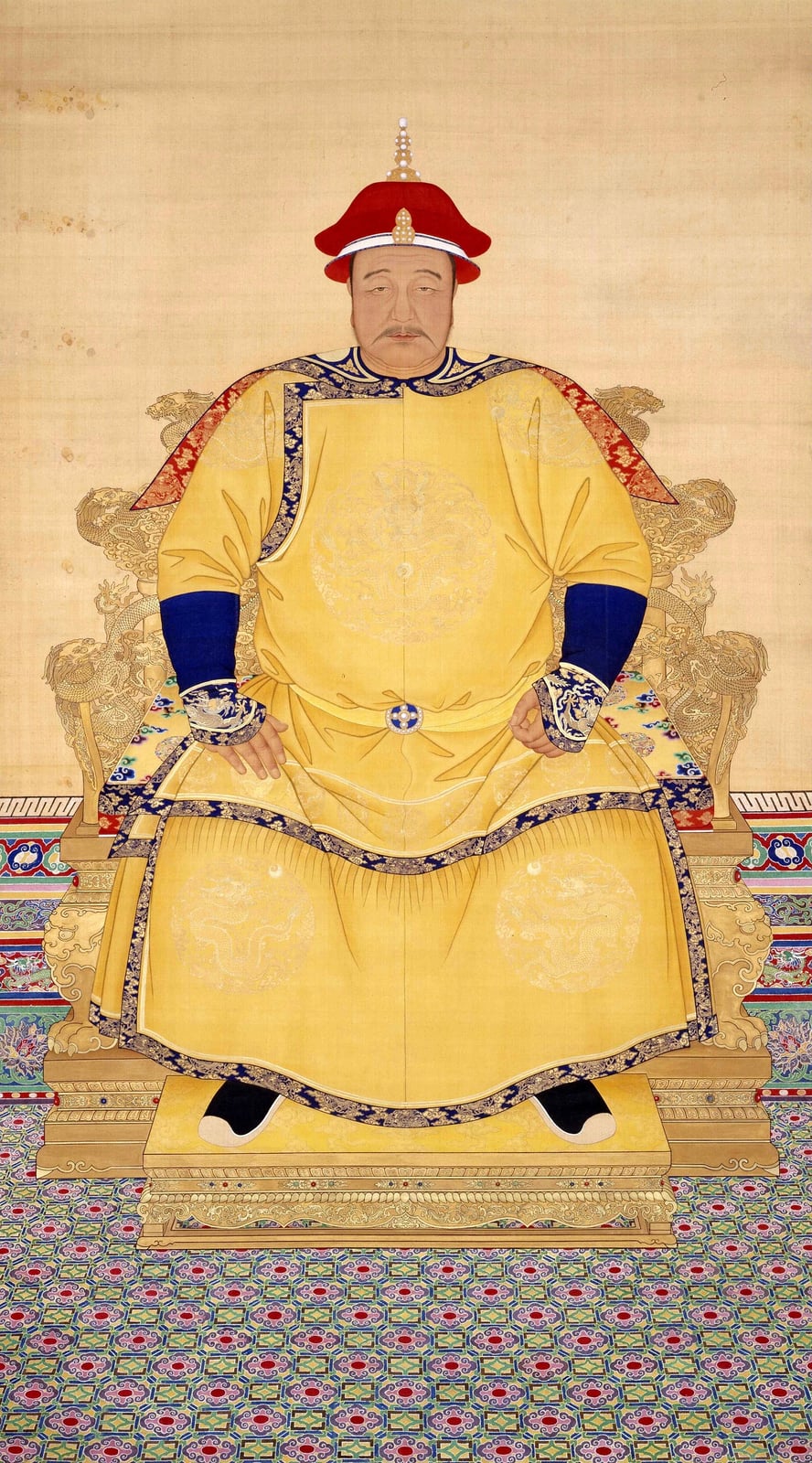
Joseon’s King Surrenders to the Qing at Namhansanseong
After a winter siege, King Injo bowed to Hong Taiji and Korea broke with the Ming.
In the winter of 1636, the Manchu ruler Hong Taiji led an army across the Yalu River, beginning the second major northern invasion of the Joseon Kingdom within a decade. Although an earlier Later Jin expedition had taken place in 1627, relations between the two realms remained deeply strained. Joseon had continued to supply grain to Ming forces, sheltered border fugitives, and refused to recognize Hong Taiji's newly proclaimed Qing dynasty. When Manchu envoys arrived in Hanseong earlier that year, King Injo declined to meet them or even deliver an official letter. Having established that Ming defenses near Beijing were vulnerable after a swift raid, Hong Taiji assembled Manchu, Mongol, and Han Chinese forces to settle the Korean frontier by direct force.
The invasion began late in 1636, with the Qing army executing a rapid three-pronged advance. Rather than expending time on stubborn northern strongholds such as Baengma fortress, where commander Im Gyeong-eop held out with three thousand soldiers, the invaders bypassed provincial defenses and pushed rapidly toward the capital. Vanguard cavalry led by Dorgon and Hooge sought to cut off the traditional royal escape route to Ganghwa Island. Joseon garrisons in Hanseong were quickly overcome, and a southern relief army of fifteen thousand troops was scattered. King Injo, unable to reach the coast, fled instead to the mountain fortress of Namhansanseong alongside roughly 13,800 soldiers.

Keep reading in Yester
Coming soon to the App Store
Keep following the story
Sources
Image: Anonymous Unknown author Qing Dynasty Court Painter