Purcell’s Dido and Aeneas Is Performed
A short opera ended with one of music’s great laments.
By the closing months of 1689, pupils at Josias Priest's boarding school for girls in Chelsea had staged Dido and Aeneas, an English opera composed by Henry Purcell with words by the poet Nahum Tate. The exact chronology of the work remains open to debate among historians. A merchant's letter suggests the opera was known at the school by 1688, and some scholars have argued that the work originated earlier in the 1680s, possibly for the royal court. Despite these unsettled origins, the production established a unique milestone in English musical drama as Purcell's only fully sung theatrical piece.
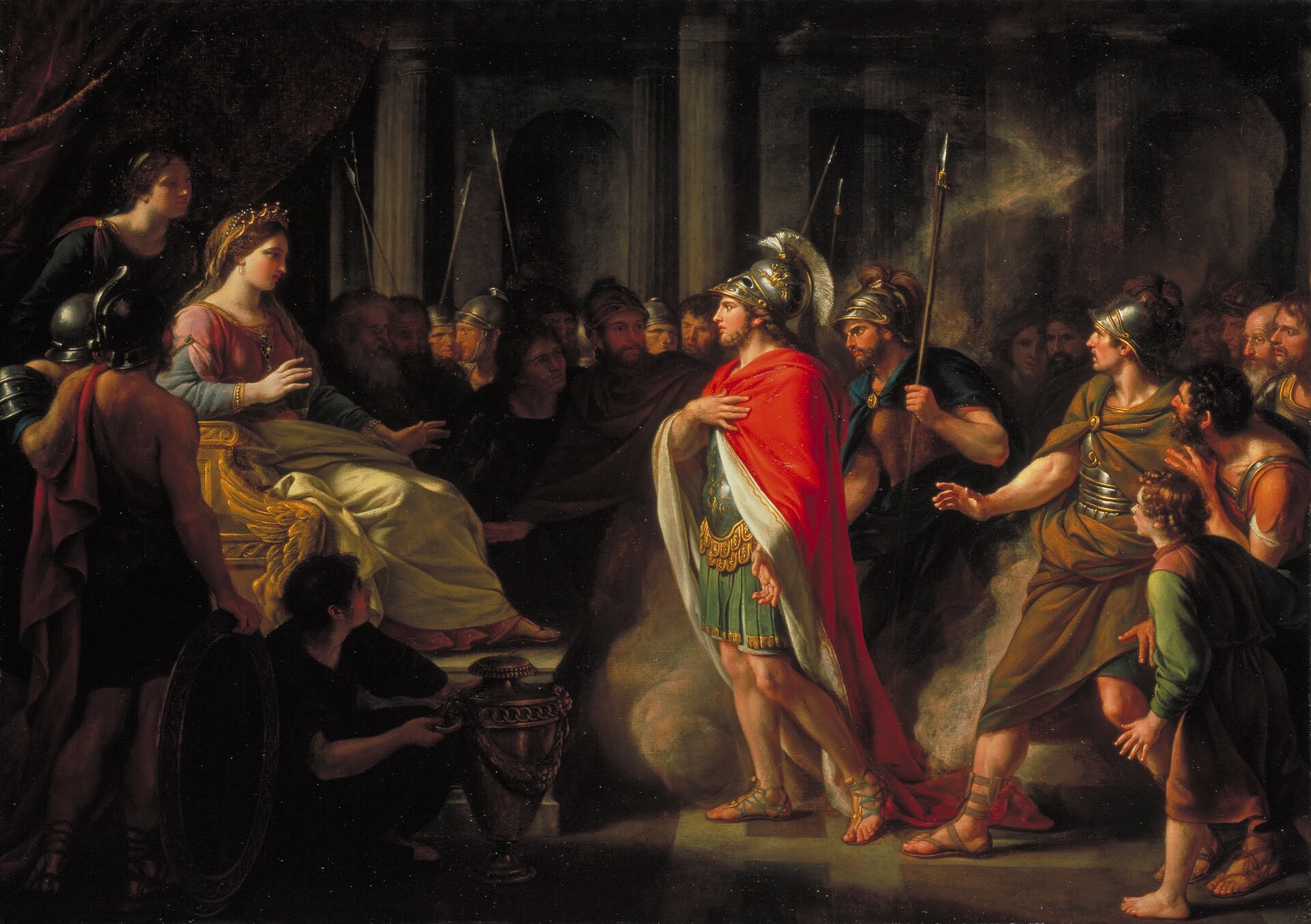
Tate drew the narrative from the fourth book of Virgil's epic, the Aeneid, recounting the tragic romance between Dido, Queen of Carthage, and the Trojan prince Aeneas. Rather than strictly adhering to ancient mythology, Tate introduced a malevolent Sorceress and a coven of witches who actively conspire to ruin the Carthaginian monarch. Dispatched by the Sorceress, an imp disguised as the messenger god Mercury commands Aeneas to abandon Carthage immediately and set sail for Italy to found a new Troy. Heartbroken and betrayed when her lover agrees to leave, Dido rejects him even after he offers to defy the divine order, welcoming death once he departs.

Keep reading in Yester
Coming soon to the App Store
Keep following the story
Sources
Image: Nathaniel Dance-Holland