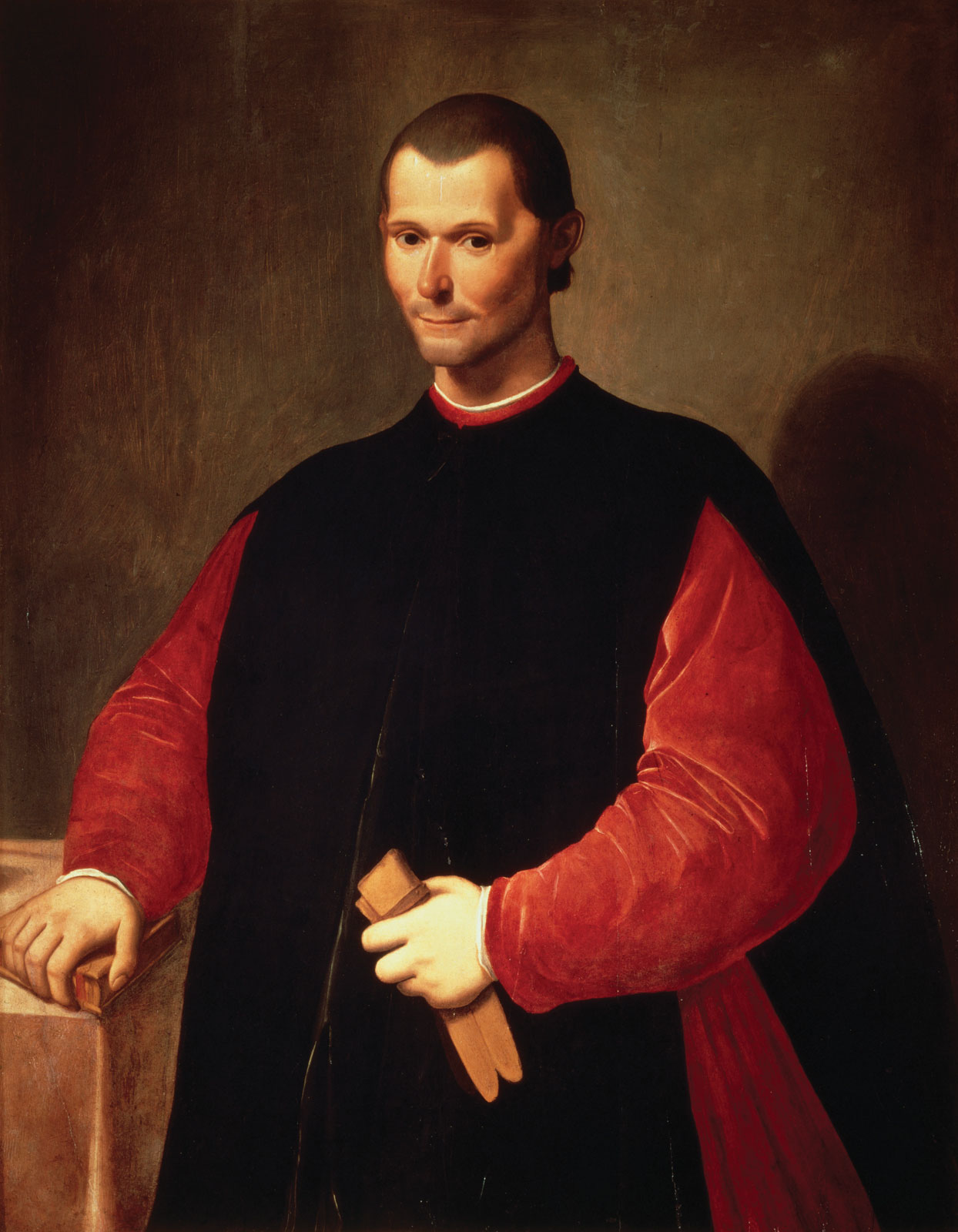
Machiavelli Writes The Prince in Exile
A dismissed Florentine official wrote a blunt guide to winning and keeping power.
In 1513, personal correspondence records that the former Florentine diplomat Niccolò Machiavelli was drafting a political study originally titled De Principatibus. Having endured political upheaval and personal hardships, Machiavelli addressed the work to Lorenzo de' Medici, Duke of Urbino, describing himself as a humble servant offering practical insights gathered from his public career. While written in the traditional style of medieval mirrors for princes, the short treatise broke sharply with classical political philosophy by rejecting imagined utopian regimes in favor of what Machiavelli identified as the effectual truth of human affairs.
Rather than organizing governments according to Aristotle's classical divisions of monarchy, oligarchy, and democracy, Machiavelli adopted a simpler framework centered on principalities and republics. He concentrated primarily on new principalities, arguing that establishing rule in defiance of custom posed far greater perils than managing stable hereditary states. In these vulnerable territories, rulers faced a population resistant to change and doubtful of unproven benefits. Machiavelli cautioned that while a prince might rise to power through either fortune or virtue, maintaining authority acquired through the goodwill of external patrons was inherently unstable without one's own dedicated military force.

Keep reading in Yester
Coming soon to the App Store
Keep following the story
Sources
Image: Santi di Tito