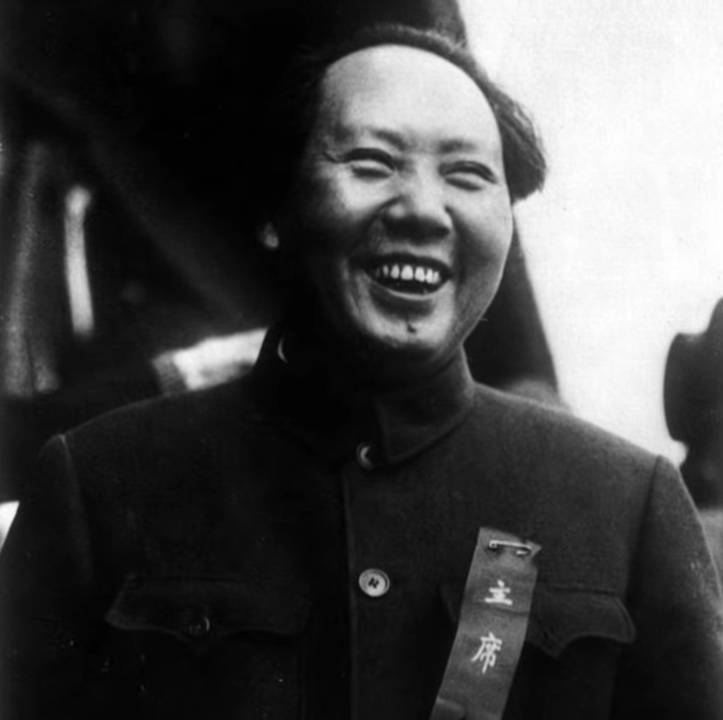
Mao Zedong Proclaims the People’s Republic of China
A ceremony at Tiananmen marked the communist victory in the civil war.
On the afternoon of October 1, 1949, Mao Zedong mounted the rostrum at Tiananmen Gate in Beijing to proclaim the formal establishment of the People's Republic of China. Addressing a gathering assembled below the ancient imperial gateway, the chairman of the Chinese Communist Party declared that the Central People's Government had assumed authority over the nation. The public ceremony marked the culmination of more than two decades of civil war and signaled a profound political transition across mainland China, bringing the Communist Party to power and ending the dominance of the Nationalist administration led by Chiang Kai-shek.
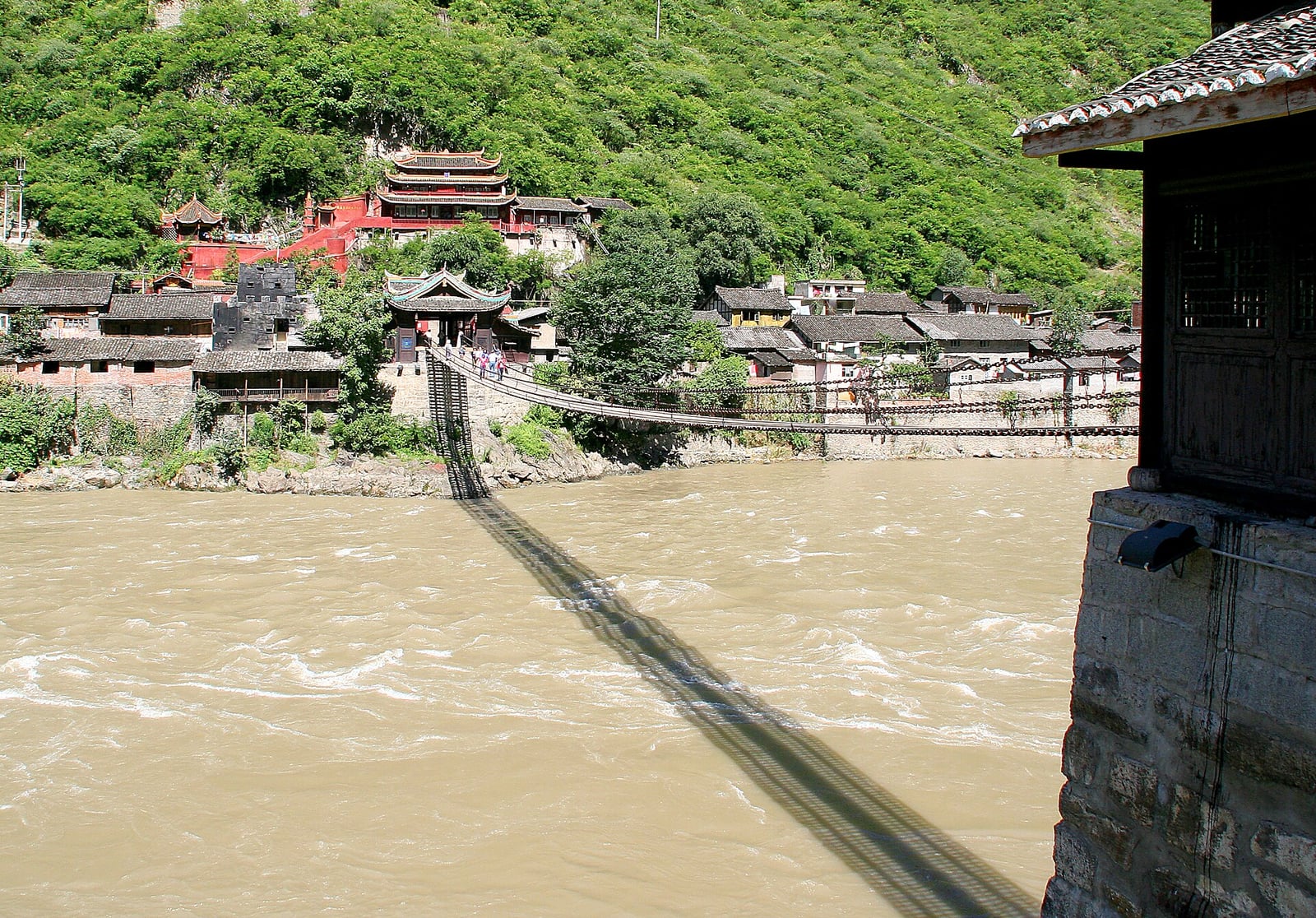
The path toward the October proclamation had been shaped by prolonged internal conflict. Tensions between the Chinese Communist Party and the Kuomintang Nationalist government erupted into open warfare in 1927, breaking apart an earlier political alliance. During the early 1930s, Communist forces attempted to govern discontinuous territories, proclaiming the Chinese Soviet Republic in Ruijin in November 1931. Intense Nationalist military pressure eventually forced Communist forces to abandon those southern redoubts, relocating northward during the Long March to Yan'an before the Chinese Soviet Republic was formally dissolved in 1937.

Keep reading in Yester
Coming soon to the App Store
Keep following the story
Sources
- The Chinese Revolution of 1949 (U.S. Department of State, Office of the Historian)
- Why the founding ceremony salute fired 28 rounds (The Paper, citing the CPC Central Institute of Party History and Literature)
- 1 October 1949 (Our China Story)
- 1 October, National Day of the People's Republic of China (Chinese Posters, Stefan Landsberger collection)
- Proclamation of the People's Republic of China
Image: Unknown author Unknown author