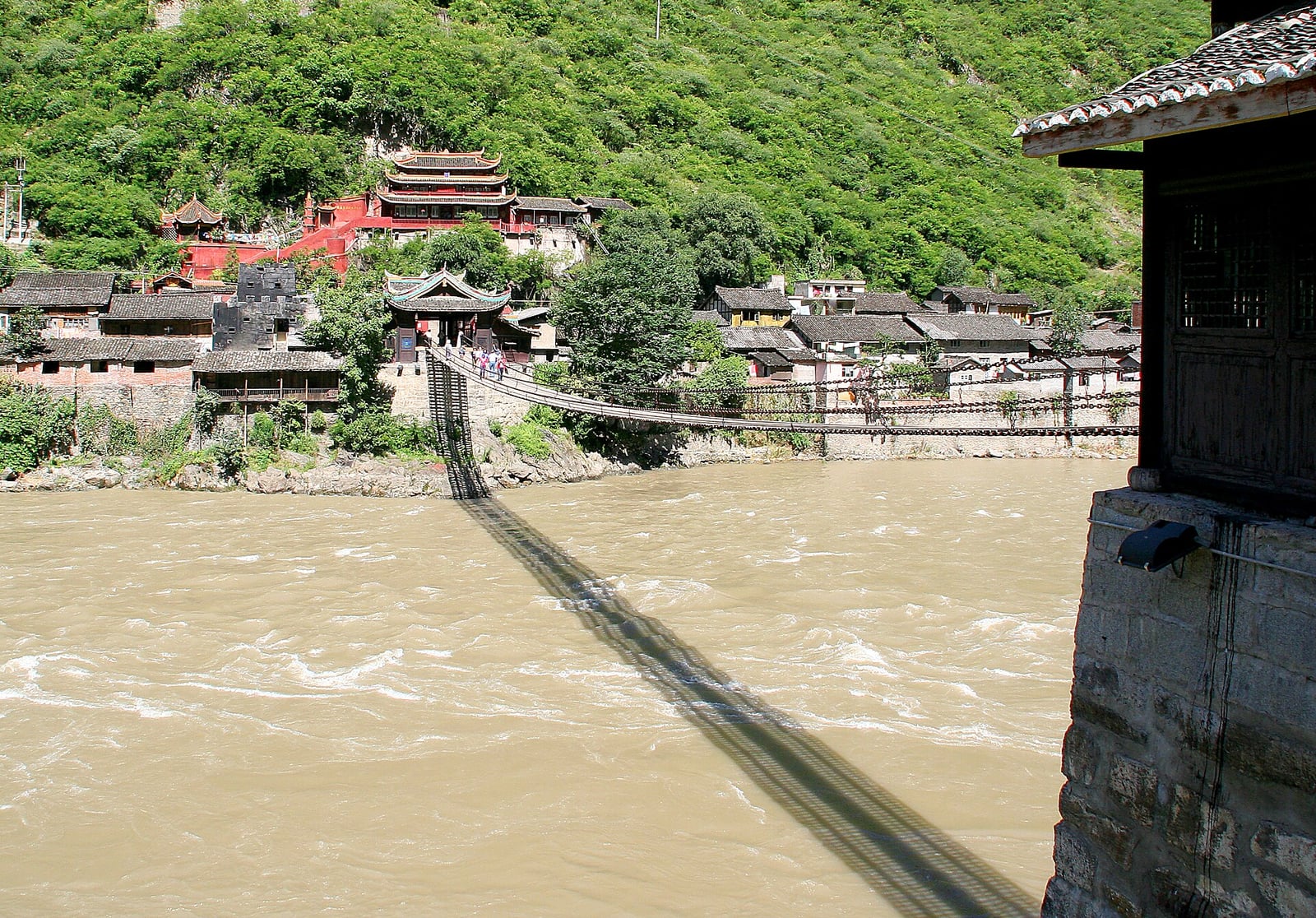
The Communist Army Begins the Long March
A retreat of thousands of kilometers became a founding story of the People’s Republic.
In October 1934, the Chinese Communist Party abandoned its base in southern Jiangxi, initiating a prolonged military retreat that transformed the course of the Chinese Civil War. Nationalist forces under Chiang Kai-shek had closed in on the Jiangxi Soviet through a fifth encirclement campaign, deploying rings of concrete blockhouses to constrict the Communist perimeter. Facing impending destruction at their capital of Ruijin, Communist planners organized a secret evacuation. A force comprising tens of thousands of soldiers and civilian porters breached the surrounding lines, setting out on a circuitous trek westward across rugged, mountainous provinces.
The opening stage of the march proved catastrophic for the First Front Red Army, led initially by the Comintern military adviser Otto Braun and party leader Bo Gu. Although early Nationalist positions held by regional warlords permitted unhindered passage through negotiated arrangements, the army encountered prepared government defenses at the Xiang River late in November. Heavy fighting erupted over several days, cutting the column from roughly 86,000 troops to little more than 30,000 through combat casualties and widespread desertion. The disaster severely eroded confidence in the conventional strategies championed by Bo and Braun.

Keep reading in Yester
Coming soon to the App Store
Keep following the story
Sources
- Long March: A trek of survival, sacrifice and resolve (CGTN)
- Why the Long March still matters 90 years later (CGTN)
- Review: The Long March: The True History of Communist China's Founding Myth (Foreign Affairs, Lucian W. Pye)
- Long March (EBSCO Research Starters)
- Long March shorter than claimed, say British pair (Taipei Times / AP)
- Long March
Image: gill_penney