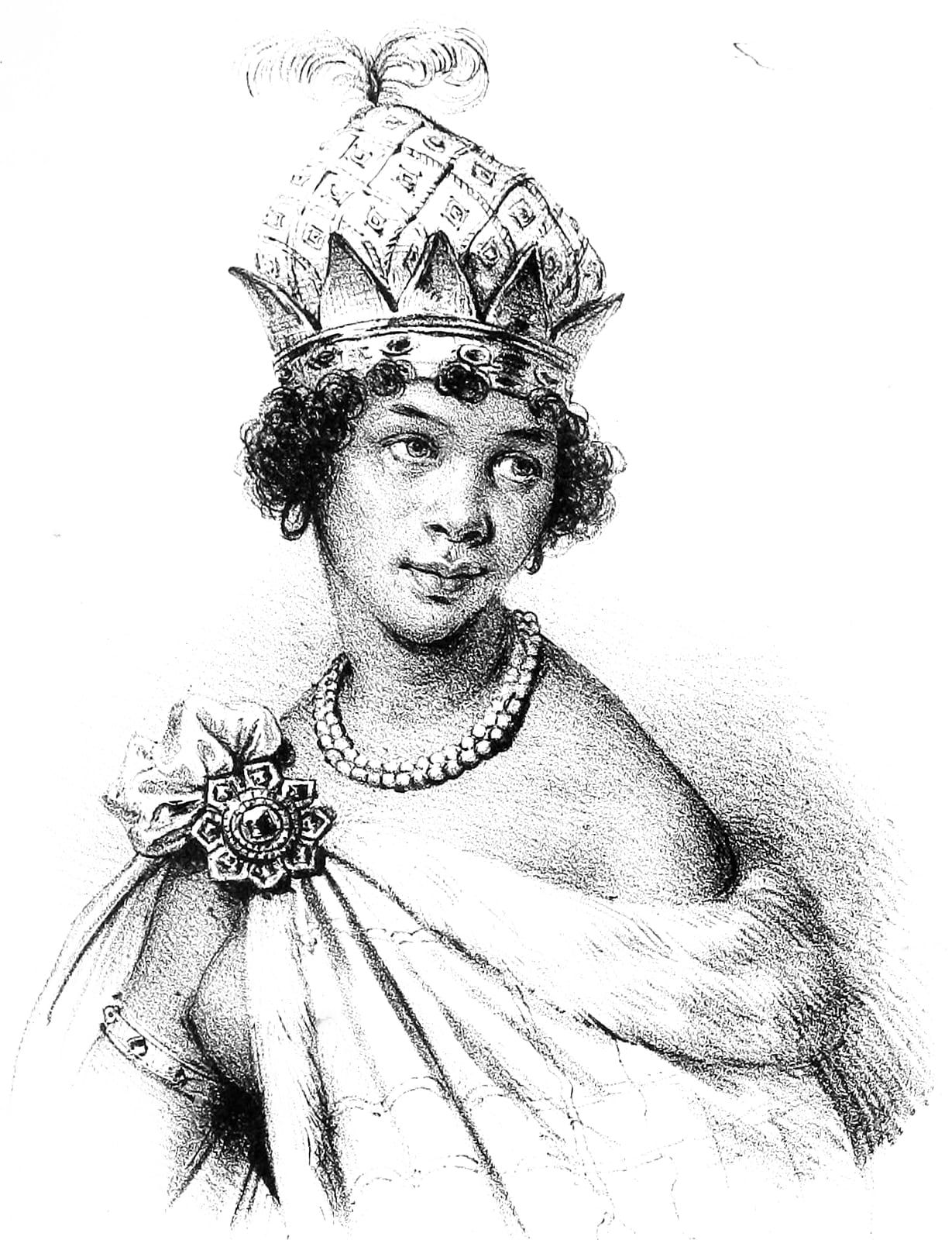
Nzinga Negotiates and Fights to Preserve Her Kingdoms
Facing Portuguese expansion and the Atlantic slave trade, Nzinga used diplomacy, alliances and warfare. Her political survival was remarkable, but its human costs resist a simple heroic story.
In 1622, the Mbundu royal envoy Nzinga traveled to Luanda to open negotiations with Portuguese colonial authorities on behalf of her brother, Ngola Mbandi. Born into the ruling lineage of Ndongo around 1583, she had grown up in a court where military strategy and dealings with Portuguese representatives shaped political life. At the capital, she resisted colonial displays of subservience and accepted Christian baptism under the name Dona Ana de Sousa as a diplomatic measure. Her mission secured a temporary peace treaty that opened commerce while rejecting Ndongan vassalage, but relations deteriorated after Portuguese commanders maintained inland forts, raided for captives, and failed to protect Ndongo against incursions by Imbangala warrior groups.
Following the death of her brother in 1624, Nzinga seized the royal symbols and claimed the title of Ngola. Her ascension sparked severe domestic opposition from nobles who argued that descent through a concubine and her female gender disqualified her under customary succession practices. Her accession was contested, and accounts of the succession include accusations of violence against relatives. Much of the surviving narrative comes through outsiders with political or religious agendas, making those allegations difficult to treat as an uncontested record. She also resisted colonial demands for tribute. Colonial administrators responded by attempting to peel away Ndongo's vassal chiefs, known as sobas. Nzinga retaliated by encouraging enslaved laborers to abandon Portuguese plantations, depriving the colony of revenues and soldiers.

Keep reading in Yester
Coming soon to the App Store
Keep following the story
Sources
Image: Laure Junot, Duchess of Abrantès