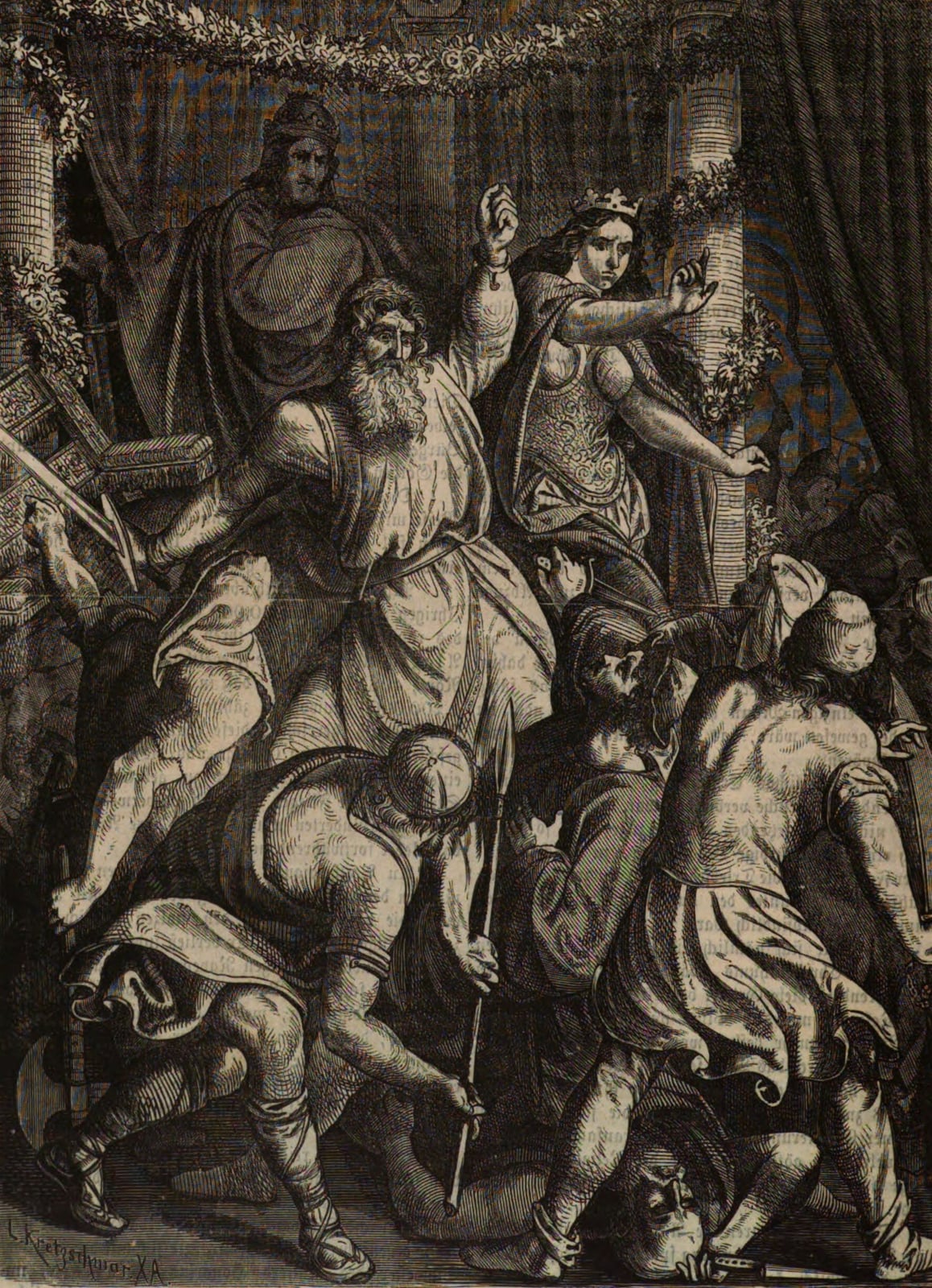
Chariot Fans Riot in Constantinople
Racing factions united against Justinian and nearly toppled him.
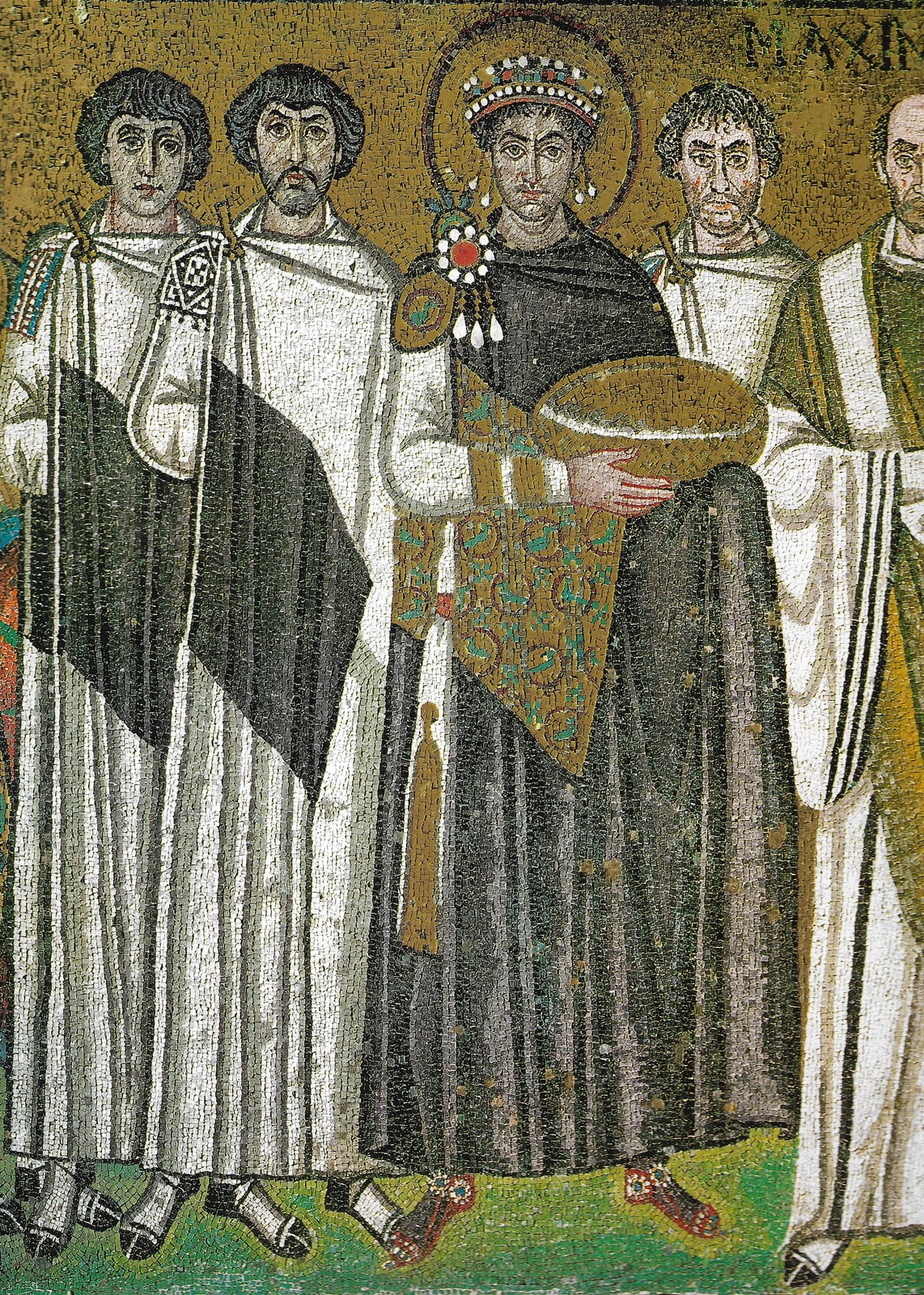
In January 532, Constantinople became the scene of one of the most destructive outbreaks of civil unrest in its history. Chariot racing in the Roman Empire was far more than an athletic diversion. Organized factions, most notably the Blues and the Greens, operated as neighborhood associations, civic organizers, and vocal conduits for public sentiment. Spectators gathered in the immense Hippodrome, where race days allowed citizens to petition or confront the imperial court directly. Emperor Justinian I had initially favored the Blues, but over time he attempted to rein in factional violence and assert a more impartial authority, a shift that alienated his former allies without placating his rivals.
Tensions peaked following a race in 531, when municipal authorities arrested several Blues and Greens for murder during a post-race riot. When the executions were carried out on January 10, 532, the wooden scaffold collapsed, allowing two condemned men, one from each faction, to survive. Monks sheltered the fugitives inside a church under armed guard. Rather than pardoning them, Justinian commuted their sentences to imprisonment and scheduled further races for January 13, hoping to deflect public anger. The decision backfired. When the emperor ignored appeals for clemency during the contests, supporters of both teams abandoned their traditional enmity and began chanting the rallying cry Nika, meaning victory or conquer.

Keep reading in Yester
Coming soon to the App Store
Keep following the story
Sources
Image: L. Kretzschmar