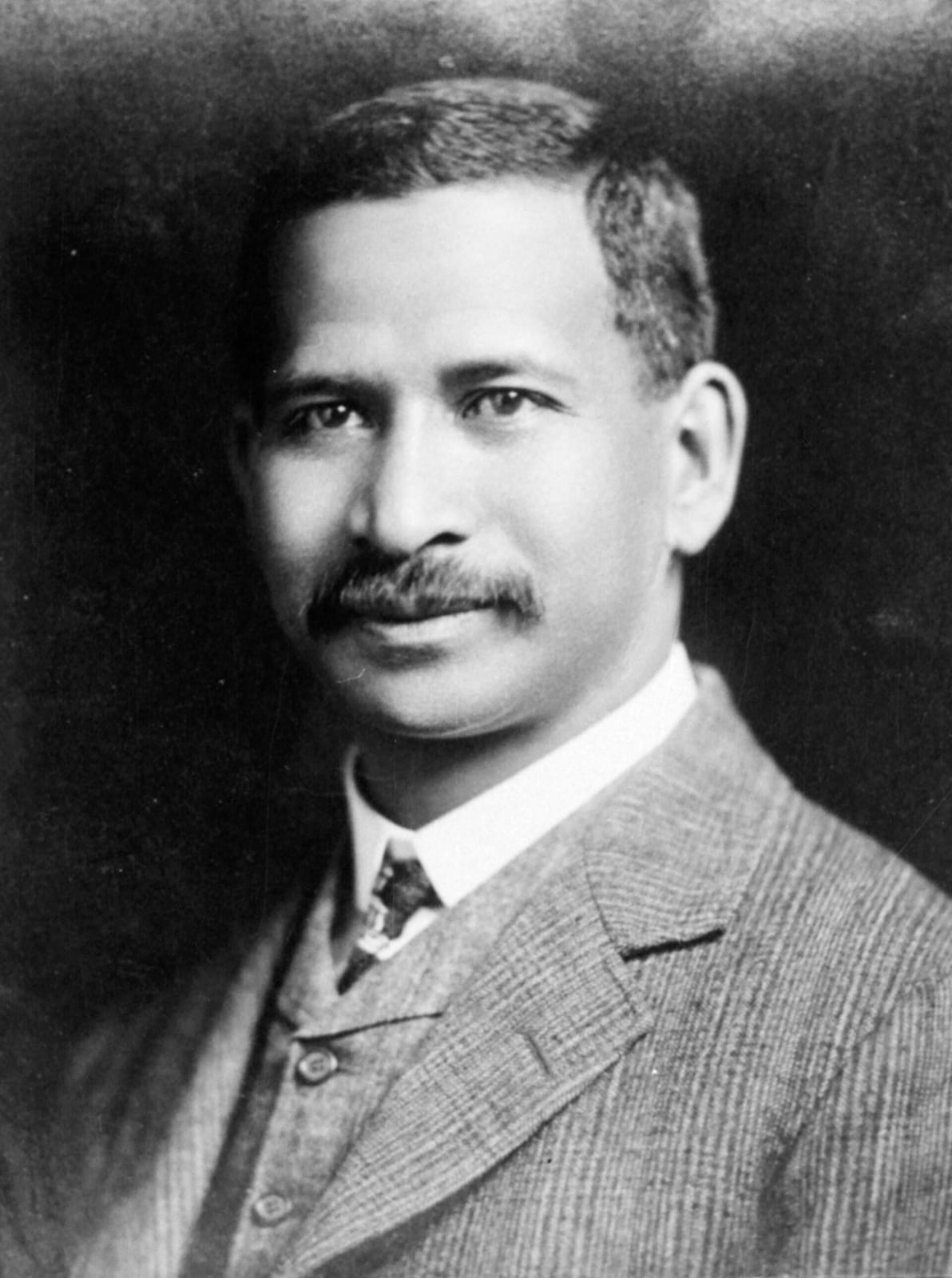
Āpirana Ngata Makes a Collection into an Act of Preservation
Ngā Mōteatea gathered Māori song traditions into print while depending on knowledge held in communities. Preservation involved scholarship, collaboration and questions about who controls cultural memory.
In 1928, the first volume of Nga Moteatea appeared in print, gathering traditional Maori songs under the editorial direction of Apirana Ngata. The collection sought to record oral compositions from different tribal traditions. Pei Te Hurinui Jones subsequently made major contributions to its translation and continuation. Ngata, a prominent Ngati Porou scholar and long-serving parliamentarian, operated through state-supported bodies such as the Board of Maori Ethnological Research and the Maori Purposes Fund Control Board, combining literary preservation with political patronage.
Ngata's recording project formed part of a wider cultural revival that ran parallel to his legislative duties. Raised in a Maori-speaking home while receiving a Western education in law and political science, he championed community arts alongside academic recognition. In 1926, he secured passage of the Maori Arts and Crafts Act, under which a school of Maori carving was set up at Rotorua, to ensure traditional crafts endured. By 1928, after lobbying alongside Bishop Herbert Williams, the Maori language became eligible as an academic subject for a Bachelor of Arts degree at the University of New Zealand.

Keep reading in Yester
Coming soon to the App Store
Keep following the story
Sources
- Apirana Nohopari Turupa Ngata (Kōmako: A Bibliography of Writing by Māori in English)
- Ngā Mōteatea: The Songs, Part One (Auckland University Press)
- Transforming an Edwardian boarding house into an urban marae at Auckland University College in 1954, Linda Tyler (AHA: Architectural History Aotearoa, Victoria University of Wellington)
- Āpirana Ngata
- Te Ara: Āpirana Turupa Ngata
Image: Taken by an unidentified photographer.