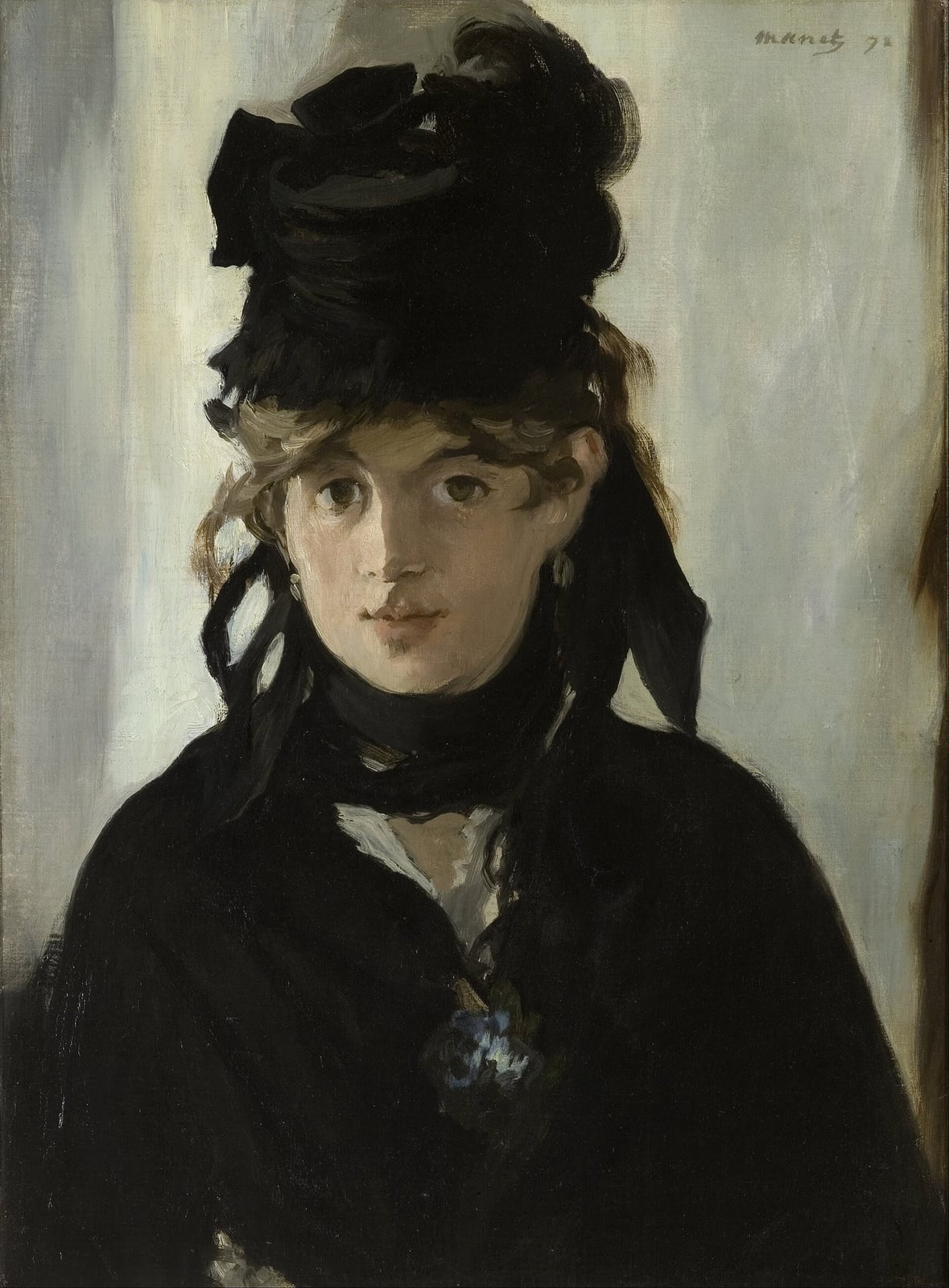
Berthe Morisot Joins Impressionism on Her Own Terms
An artist working within social restrictions helped shape a movement that challenged the official exhibition system.
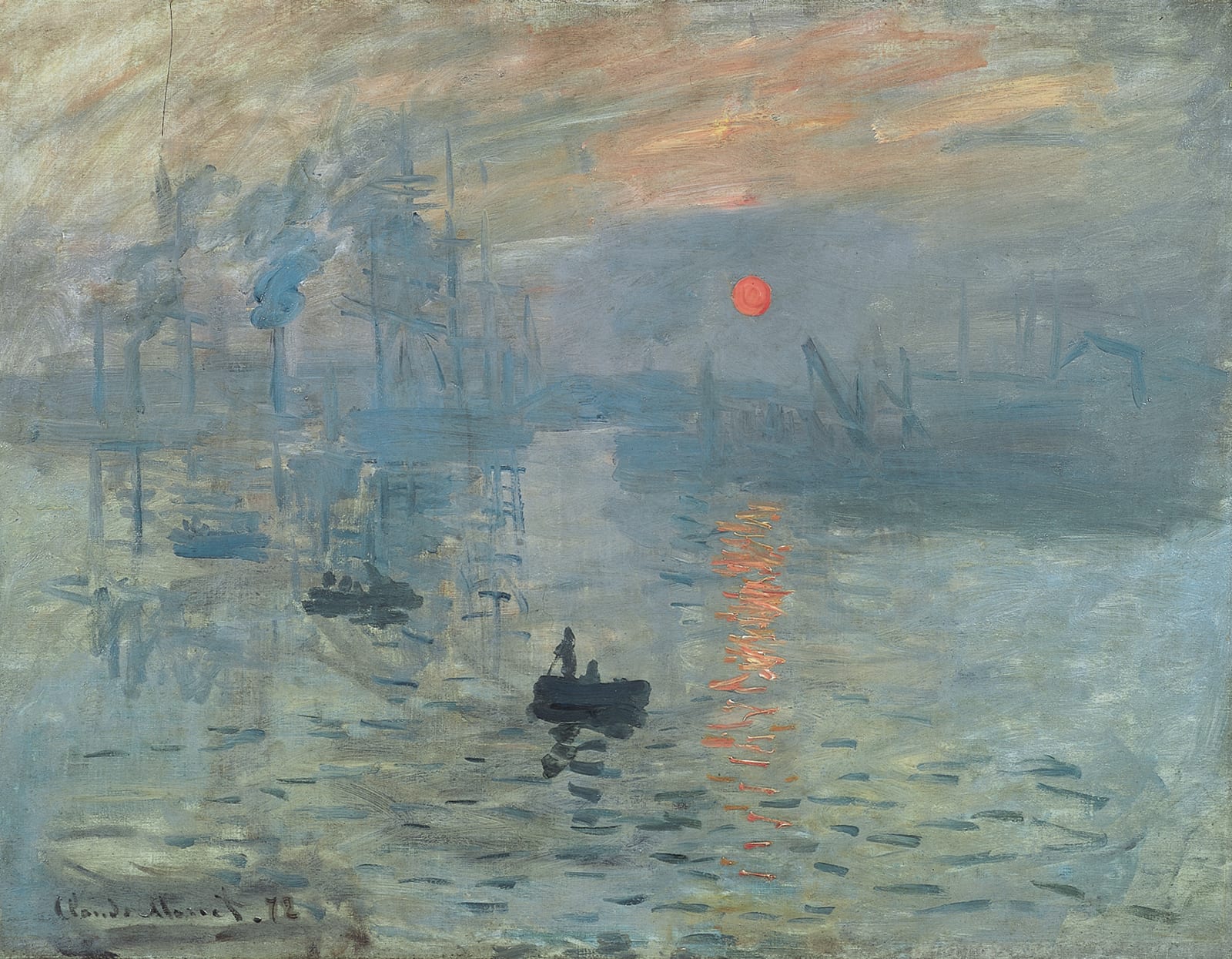
In the spring of 1874, thirty artists stepped outside the state-sponsored Salon system to stage an independent exhibition in the former Paris studio of the photographer Nadar. Among figures such as Claude Monet, Edgar Degas, Camille Pissarro, and Pierre-Auguste Renoir, Berthe Morisot was the only woman who displayed work. Her decision came after her submission to the official Salon had been rejected earlier that same year, marking a clean break with the institution that had accepted her paintings across six previous events since her 1864 debut.
Morisot's artistic path developed under strict institutional and social limitations. Barred from formal state academies due to her gender, she began private art lessons in 1857 alongside her sisters. Beginning in 1858, she learned technique by copying masterworks at the Louvre gallery, an activity permitted only under the supervision of a chaperone. Her practice expanded when she encountered Jean-Baptiste-Camille Corot in 1861, adopting plein air methods and portable watercolours before studying landscape under Achille Oudinot and learning from other peers she encountered in museum halls.

Keep reading in Yester
Coming soon to the App Store
Keep following the story
Sources
Image: Édouard Manet