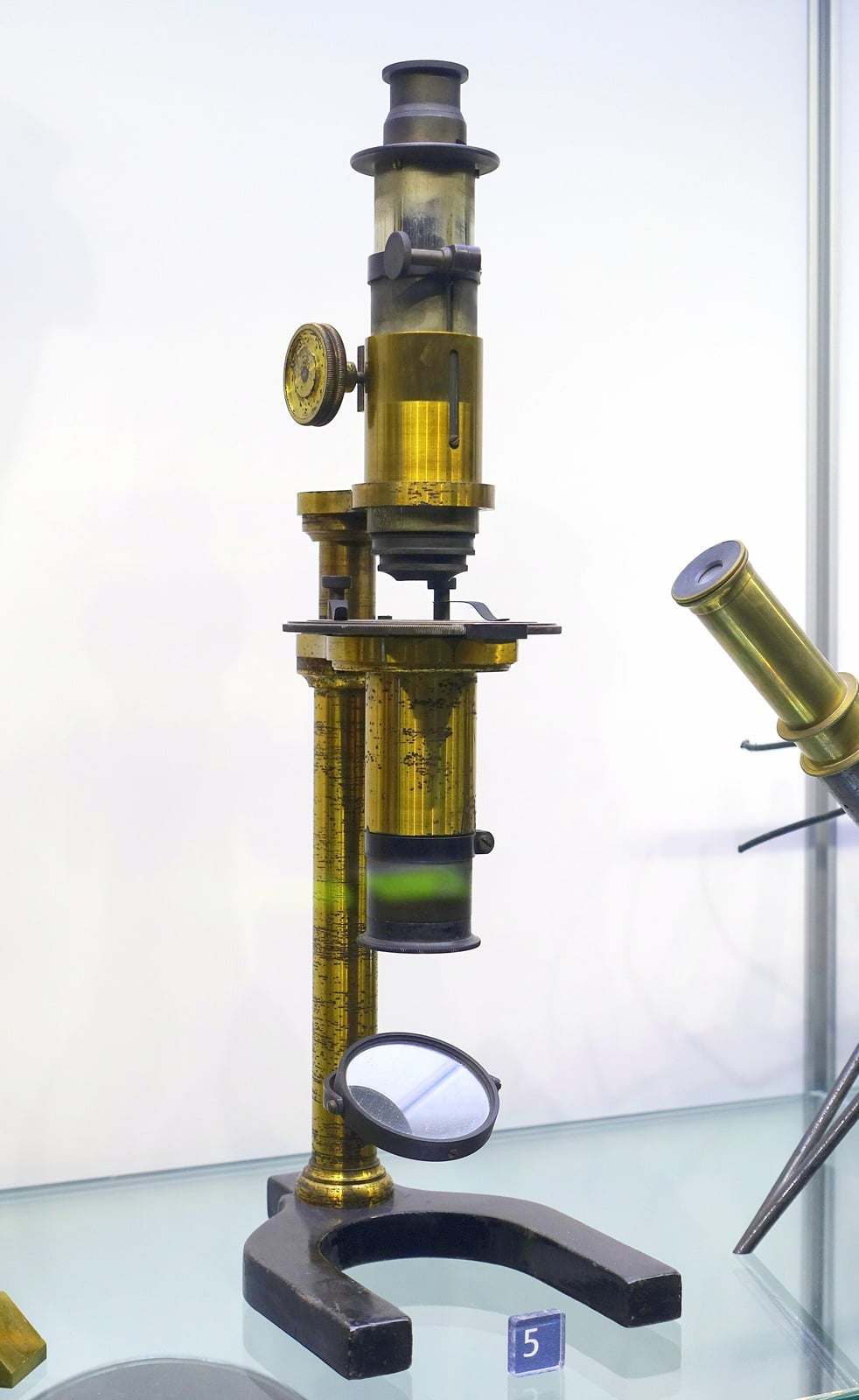
Maud Menten Helps Put Enzyme Activity into an Equation
A collaboration in Berlin produced a mathematical framework that became fundamental to biochemistry.
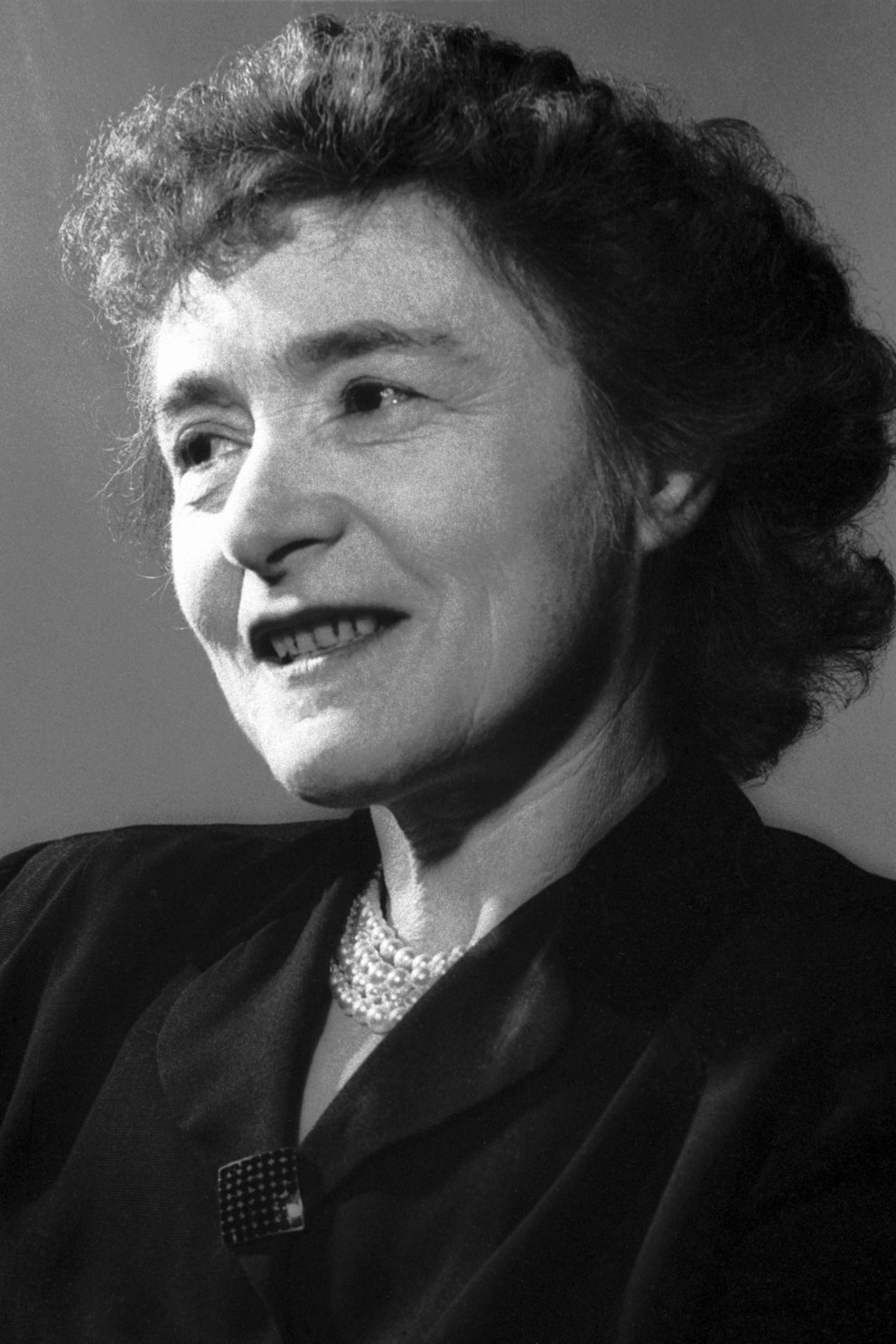
In the early twentieth century, the precise mechanisms governing biological chemical reactions remained poorly understood. Maud Leonora Menten, a Canadian medical graduate who had struggled to secure institutional support in her home country, travelled to Berlin in 1912 to join the laboratory of German chemist Leonor Michaelis. Michaelis was an established specialist in hydrogen ion concentration and chemical buffers, while Menten sought to investigate the kinetics of enzymatic processes. Together, they conducted systematic experiments measuring the rate at which enzymes transform their substrates, establishing a rigorous quantitative framework that transformed biochemistry.
Their 1913 paper, published in German in Biochemische Zeitschrift, demonstrated that the velocity of an enzyme-catalyzed reaction is directly proportional to the concentration of the intermediate complex formed between the enzyme and its substrate. Although French researcher Victor Henri had formulated an equivalent mathematical expression a decade earlier, his experimental treatment left important questions about measurement unresolved. Michaelis and Menten carefully controlled acidity and measured initial reaction rates, providing the experimental groundwork for what became known as the Michaelis-Menten equation and defining the Michaelis constant, which describes reaction saturation.

Keep reading in Yester
Coming soon to the App Store
Keep following the story
Sources
Image: Daderot